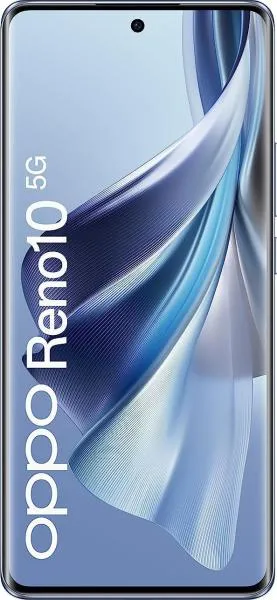
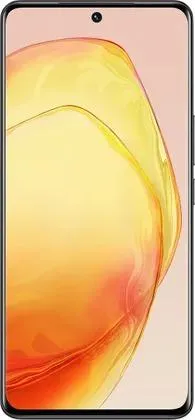
1. Specifications Comparison
| Feature | Oppo Reno10 | vivo V29 | Practical Impact |
|---|---|---|---|
| Design | |||
| Dimensions (mm) | 162.4 x 74.2 x 8 | 164.2 x 74.4 x 7.5 | Vivo V29 is slightly taller and wider, but marginally thinner. Negligible difference in everyday handling. |
| Weight (g) | 185 | 186 | Virtually identical weight; no noticeable difference in hand. |
| Colors | Ice Blue, Silvery Grey | Space Black, Himalayan Blue, Purple Fairy, Majestic Red | Vivo V29 offers more color options for greater personalization. |
| Display | |||
| Size (inches) | 6.7 | 6.78 | Vivo V29 has a slightly larger display, offering marginally more screen real estate. |
| Type | AMOLED, 1B colors, 120Hz, HDR10+ | AMOLED, 1B colors, 120Hz, HDR10+ | Both feature vibrant AMOLED displays with smooth 120Hz refresh rates and HDR10+ support for excellent visual experience. |
| Resolution | 1080 x 2412 | 1260 x 2800 | Vivo V29 has a sharper display (453 ppi vs 394 ppi) resulting in crisper text and images. |
| Peak Brightness (nits) | 950 | Not specified | Oppo Reno10's known peak brightness ensures better visibility in direct sunlight. Lack of data for Vivo V29 prevents full comparison. |
| Performance | |||
| Chipset | Mediatek Dimensity 7050 (6nm) | Qualcomm Snapdragon 778G 5G (6nm) | Snapdragon 778G generally offers better performance and efficiency than Dimensity 7050, potentially impacting gaming and multitasking. |
| CPU | Octa-core (2x2.6 GHz Cortex-A78 & 6x2.0 GHz Cortex-A55) | Octa-core (1x2.4 GHz Cortex-A78 & 3x2.2 GHz Cortex-A78 & 4x1.9 GHz Cortex-A55) | Snapdragon 778G's CPU architecture suggests superior sustained performance compared to Dimensity 7050. |
| GPU | Mali-G68 MC4 | Adreno 642L | Adreno 642L generally provides better graphics performance than Mali-G68 MC4, benefiting gaming and graphic-intensive tasks. |
| RAM | 8GB | 8GB | Both phones have the same RAM, offering similar multitasking capabilities. |
| Storage | 256GB | 256GB | Identical storage capacity on both devices. |
| Battery | |||
| Capacity (mAh) | 5000 | 4600 | Oppo Reno10 has a larger battery capacity, potentially leading to longer usage time. |
| Camera | |||
| Video Capabilities | 4K@30fps, 1080p at various fps with EIS | 4K@30fps, 1080p@30fps | Oppo Reno10 offers more versatile video recording options including slow-motion and better stabilization (EIS at various resolutions). Detailed camera sensor specifications are missing, limiting comprehensive comparison. |
| Software | |||
| OS | Android 13 | Android 13 | Both phones launch with Android 13. |
| Max OS Version | 14 | 16 | Vivo V29 is expected to receive longer software updates, potentially extending its lifespan and providing newer features. |
2. Key Differences Analysis
Oppo Reno10 Advantages:
- Larger battery capacity (potentially longer battery life)
- Brighter display (better visibility outdoors)
- More versatile video recording capabilities.
vivo V29 Advantages:
- Sharper display (crisper visuals)
- More powerful processor and GPU (smoother performance, better gaming)
- Longer software update support (future-proofing)
- More color options.
3. User Profiles & Recommendations
Oppo Reno10: Ideal for users prioritizing battery life and outdoor visibility. Suitable for casual users, social media enthusiasts, and those who consume multimedia content.
vivo V29: Suitable for users who demand performance, enjoy mobile gaming, and value long-term software support. Good for demanding users, gamers, and those who prioritize having the latest features.
4. Decision Framework
Key Questions for Buyers:
- How important is battery life? If battery life is a top priority, the Oppo Reno10's larger battery might be preferred.
- Is performance crucial? For gaming and demanding tasks, the Vivo V29's superior chipset is advantageous.
- How long do you plan to keep your phone? Vivo V29's longer software support ensures a more future-proof device.
My Choice: vivo V29
While the Oppo Reno10 offers a larger battery and superior brightness, the vivo V29's overall performance, sharper display, and commitment to longer software updates make it a more compelling choice for me. The Snapdragon 778G provides a noticeable performance advantage for demanding tasks and gaming. The sharper display enhances the visual experience significantly. Furthermore, the longer software update commitment ensures the phone remains secure and up-to-date for a longer period, making it a more valuable investment in the long run. While the battery is smaller, the 778G's efficiency might mitigate some of that difference in real-world usage. Ultimately, I prioritize performance and longevity in a smartphone.
