1. Specifications Comparison
| Feature | Oppo Reno10 | TCL 50 SE | Practical Impact |
|---|---|---|---|
| Design | |||
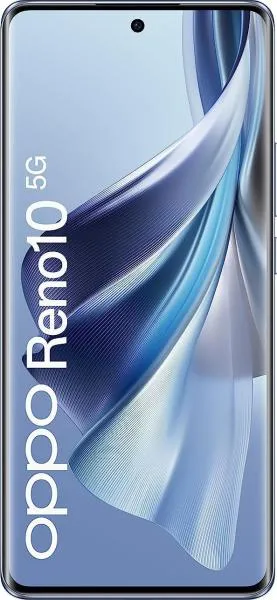
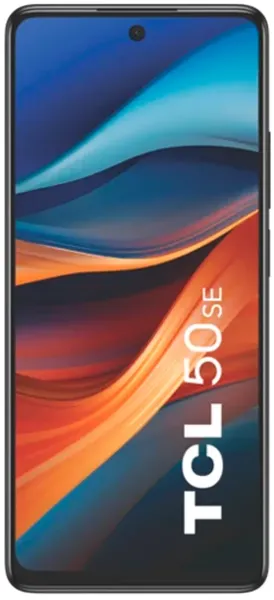
| Dimensions (mm) | 162.4 x 74.2 x 8 | 168.2 x 75.5 x 8.1 | The Reno10 is noticeably smaller and thinner, making it more pocketable and easier to handle. |
| Weight (g) | 185 | 195 | The Reno10 is lighter, further enhancing one-handed usability. |
| Fingerprint Sensor | Under-display | Side-mounted | Preference-based, but under-display is often perceived as more modern. |
| Display | |||
| Display Type | AMOLED, 1B colors, 120Hz | IPS LCD, 90Hz | Reno10 offers deeper blacks, more vibrant colors, and smoother scrolling thanks to AMOLED and 120Hz. TCL 50 SE has a larger display. |
| Size (inches) | 6.7 | 6.78 | Negligible difference in screen real estate. |
| Resolution | 1080 x 2412 | 1080 x 2460 | Virtually identical pixel density, resulting in similar sharpness. |
| Peak Brightness (nits) | 950 | Not specified | Reno10's higher peak brightness ensures better visibility in direct sunlight. Missing TCL data limits full comparison. |
| Refresh Rate (Hz) | 120 | 90 | Reno10 provides a smoother and more responsive user experience due to the higher refresh rate. |
| Performance | |||
| Chipset | Mediatek Dimensity 7050 (6nm) | Mediatek Helio G88 (12nm) | Reno10's Dimensity 7050, built on a smaller process node, likely offers better performance and power efficiency than the Helio G88. |
| CPU | Octa-core (2x2.6 GHz Cortex-A78 & 6x2.0 GHz Cortex-A55) | Octa-core (2x2.0 GHz Cortex-A75 & 6x1.8 GHz Cortex-A55) | Reno10 has faster prime cores, translating to quicker app launches and smoother multitasking. |
| GPU | Mali-G68 MC4 | Mali-G52 MC2 | Reno10's GPU is significantly more powerful, enabling better gaming performance and smoother graphics rendering. |
| RAM | 8GB | 6GB | Reno10's extra RAM allows for more efficient multitasking and smoother performance with demanding applications. |
| Storage | 256GB | 256GB | Both offer ample storage space. |
| Camera | |||
| Video Capabilities | Up to 4K@30fps, 1080p@480fps | 1080p@30fps | Reno10 offers significantly better video recording capabilities with higher resolution and frame rates including slow-motion. Limited TCL data hinders full analysis. |
| Battery | |||
| Capacity (mAh) | 5000 | 5010 | Negligible difference in battery capacity. Real-world battery life will depend more on software optimization and usage patterns. |
2. Key Differences Analysis
Oppo Reno10 Advantages:
- Superior Display: AMOLED with 120Hz refresh rate offers a significantly better visual experience.
- Faster Performance: More powerful chipset and more RAM for smoother multitasking and gaming.
- Better Video Recording: Higher resolution and frame rate options.
- More Compact Design: Smaller and lighter for easier handling.
TCL 50 SE Advantages:
- Slightly Larger Display: Offers marginally more screen real estate.
- Newer Android Version: Ships with Android 14.
- Potentially Lower Price: Given older release and specs, it might be more affordable.
Trade-offs:
- Reno10: Potentially higher price for better specs.
- TCL 50 SE: Compromises on performance, display quality, and camera features for potential affordability.
3. User Profiles & Recommendations
Oppo Reno10: Ideal for users who prioritize a smooth and responsive experience, vibrant display, strong performance for gaming or multitasking, and good camera features. Suitable for content consumption, mobile photography, and gaming.
TCL 50 SE: Suitable for users on a tight budget who prioritize basic smartphone functionality and a large screen. Best for casual web browsing, social media, and communication.
4. Decision Framework
Key Questions for Buyers:
- What is your budget? The Reno10 will likely be more expensive.
- What are your primary smartphone uses? Gaming, content consumption, or basic communication?
- How important is display quality and performance? The Reno10 significantly outperforms the TCL 50 SE in these areas.
Scenario-Based Recommendations:
- Gamer: Oppo Reno10 for its superior performance.
- Budget-conscious user: TCL 50 SE if price is the primary concern.
- Content consumer: Oppo Reno10 for its vibrant AMOLED display and smooth refresh rate.
My Choice: Oppo Reno10
While missing specifications for the TCL 50 SE limit a fully comprehensive comparison, the Oppo Reno10 is the clear winner based on the available data. The superior display, significantly better performance, enhanced camera capabilities, and more compact design make it a more compelling device. Even if the TCL 50 SE is cheaper, the Reno10's advantages in crucial areas like performance and display justify the likely price difference for most users. The smoother 120Hz refresh rate and AMOLED screen alone make a huge difference in daily usage. For me, these factors outweigh the slightly larger screen size and newer base Android version of the TCL 50 SE.
