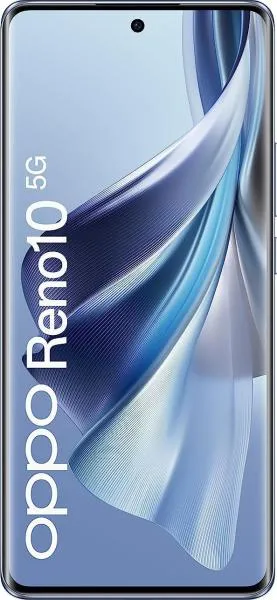
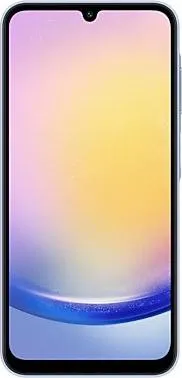
1. Specifications Comparison
| Feature | Oppo Reno10 | Samsung Galaxy A25 | Practical Impact |
|---|---|---|---|
| Design | |||
| Dimensions | 162.4 x 74.2 x 8 mm | 161 x 76.5 x 8.3 mm | Reno10 is slightly taller and thinner, A25 slightly wider and thicker. Negligible difference in hand feel. |
| Weight | 185g | 197g | Reno10 is noticeably lighter, improving one-handed use and portability. |
| Fingerprint Sensor | Under-display | Side-mounted | Preference-based. Under-display feels more modern, side-mounted can be faster and easier to reach. |
| Display | |||
| Size | 6.7" | 6.5" | Reno10 offers a slightly larger screen for more immersive content consumption. |
| Type | AMOLED, 1B colors, 120Hz, HDR10+ | Super AMOLED, 120Hz | Both offer smooth scrolling and vibrant colors. Reno10 supports HDR10+ for better dynamic range in compatible content. Missing color depth info for A25. |
| Peak Brightness | 950 nits | 1000 nits (HBM) | A25 has a slightly higher peak brightness for better outdoor visibility. Specific typical brightness for A25 is missing, making direct comparison difficult. |
| Resolution | 1080 x 2412 | 1080 x 2340 | Virtually identical pixel density, resulting in similar sharpness. |
| Performance | |||
| Chipset | Mediatek Dimensity 7050 (6nm) | Exynos 1280 (5nm) | Exynos 1280 on a 5nm process is likely more power-efficient. Performance differences need benchmarking for real-world comparison. |
| CPU | Octa-core (2x2.6 GHz Cortex-A78 & 6x2.0 GHz Cortex-A55) | Octa-core (2x2.4 GHz Cortex-A78 & 6x2.0 GHz Cortex-A55) | Reno10 has a slight edge in CPU clock speed, potentially offering faster performance in demanding tasks. |
| GPU | Mali-G68 MC4 | Mali-G68 | Specific core count missing for A25's GPU. Reno10's MC4 configuration likely offers slightly better graphical performance. |
| RAM/Storage | 8GB/256GB | 8GB/256GB | Identical configuration, sufficient for multitasking and storage needs. |
| Camera | |||
| Video | 4K@30fps, 1080p@ various fps up to 480fps slow-mo | 4K@30fps, 1080p@30fps | Reno10 offers significantly more versatile video recording options including higher frame rates and slow motion. Detailed camera sensor specifications are missing for both. |
| Battery | |||
| Capacity | 5000 mAh | 5000 mAh | Identical battery capacity. Real-world battery life depends on optimization and usage. |
| Software | |||
| OS | Android 13, upgradable to 14 | Android 14, upgradable to 18 | A25 launches with a newer Android version and has longer promised software support, crucial for security and feature updates. |
2. Key Differences Analysis
Oppo Reno10 Advantages:
- Lighter and slimmer design: Enhanced portability and one-handed usage.
- HDR10+ support: Better dynamic range in compatible content.
- More versatile video recording: Slow-motion and higher frame rate options.
- Potentially slightly faster CPU and GPU: Marginal performance gains in demanding tasks and gaming.
Samsung Galaxy A25 Advantages:
- Brighter display (HBM): Improved outdoor visibility.
- Newer Android version and longer software support: Longer lifespan with security and feature updates.
- Potentially more power-efficient chip: Improved battery life.
3. User Profiles & Recommendations
Oppo Reno10: Users prioritizing a lightweight design, multimedia consumption (especially HDR content), and versatile video recording capabilities.
Samsung Galaxy A25: Users prioritizing longer software support, outdoor visibility, and potentially longer battery life. Suitable for users who keep their phones for extended periods.
4. Decision Framework
Key Questions for Buyers:
- How important is software update longevity?
- Is HDR content consumption a priority?
- Do you frequently record videos and require slow-motion or high frame rate options?
Scenario-Based Recommendations:
- Prioritize future-proofing: Choose the Galaxy A25 for its longer software support.
- Multimedia enthusiast: Choose the Reno10 for HDR10+ and versatile video recording.
- On a budget and need reliable performance: Both are viable; consider individual feature preferences based on the key questions.
My Choice: Samsung Galaxy A25
While the Reno10 offers appealing features like a lighter design and HDR10+, the significantly longer software support of the Galaxy A25 is the deciding factor for me. Software updates are crucial for security and new features, ensuring a longer usable lifespan for the device. The brighter peak brightness for outdoor use is also a compelling advantage. While specific details on the A25's display and GPU are lacking, the advantages in core aspects like software support and potential power efficiency make it the more future-proof choice in my opinion.
