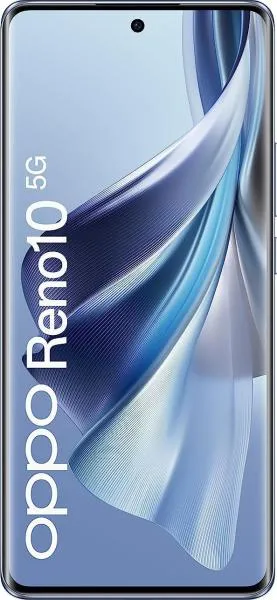

1. Specifications Comparison
| Feature | Oppo Reno10 | Samsung Galaxy A15 | Practical Impact |
|---|---|---|---|
| Design | |||
| Dimensions | 162.4 x 74.2 x 8 mm | 160.1 x 76.8 x 8.4 mm | Reno10 is slightly taller and narrower, A15 slightly thicker. Negligible difference in hand feel. |
| Weight | 185g | 200g | Reno10 is noticeably lighter, reducing hand fatigue during extended use. |
| Fingerprint Sensor | Under-display | Side-mounted | Preference-based; under-display feels more modern, side-mounted can be faster to access. |
| Display | |||
| Size | 6.7" | 6.5" | Reno10 offers slightly more screen real estate for media consumption. |
| Type | AMOLED, 1B colors, 120Hz | Super AMOLED, 90Hz | Reno10's higher refresh rate results in smoother scrolling and animations. 1B colors provide a wider color gamut for richer visuals. |
| Peak Brightness | 950 nits | Not specified | Reno10's higher peak brightness ensures better visibility in direct sunlight. Missing A15 peak brightness limits comparison. |
| Resolution | 1080 x 2412 | 1080 x 2340 | Virtually identical pixel density, resulting in sharp visuals on both devices. |
| Performance | |||
| Chipset | Mediatek Dimensity 7050 (6nm) | Mediatek Helio G99 (6nm) | Dimensity 7050 generally offers slightly better CPU performance, particularly in multi-core tasks. |
| CPU | Octa-core (2x2.6 GHz Cortex-A78 & 6x2.0 GHz Cortex-A55) | Octa-core (2x2.2 GHz Cortex-A76 & 6x2.0 GHz Cortex-A55) | Both have efficient CPU configurations, differences will be minor in everyday tasks. |
| GPU | Mali-G68 MC4 | Mali-G57 MC2 | Reno10's GPU offers significantly better gaming performance. |
| RAM/Storage | 256GB/8GB | 128/6GB, 128/8GB, 256/8GB | Reno10's base model offers more storage. RAM options vary for A15. |
| Camera | |||
| Video Capabilities | Up to 4K@30fps, 1080p@480fps (EIS) | 1080p@30fps | Reno10 offers significantly better video recording capabilities including higher resolution and slow-motion. Missing detailed camera specs limit comprehensive comparison. |
| Battery | |||
| Capacity | 5000 mAh | 5000 mAh | Similar battery capacities suggest comparable battery life, though real-world usage can vary. |
2. Key Differences Analysis
Oppo Reno10 Advantages:
- Superior Display: Higher refresh rate (120Hz) and peak brightness for a smoother and more vibrant visual experience.
- Better Performance: More powerful GPU for improved gaming and demanding tasks. Larger base storage.
- Advanced Video Recording: 4K recording and higher slow-motion capabilities.
Samsung Galaxy A15 Advantages:
- Longer Software Support: Expected to receive more OS updates than Reno10.
- More Color Options: Offers a wider variety of colors to choose from.
- Potentially Lower Price: Depending on the storage configuration, the A15 may offer a lower entry price.
Trade-offs:
- Reno10: Potentially higher price for better performance and display.
- A15: Less powerful GPU and fewer video recording features.
3. User Profiles & Recommendations
Oppo Reno10: Suited for users who prioritize a smooth and vibrant display, enjoy mobile gaming, and require high-quality video recording capabilities.
Samsung Galaxy A15: Best for users who value long-term software updates, prioritize affordability, and have moderate performance needs. Primarily for everyday tasks like browsing, social media, and casual photography.
4. Decision Framework
Key Questions for Buyers:
- What is your budget? The Reno10 likely sits at a higher price point.
- How important is display quality and performance? The Reno10 excels in these areas.
- How long do you plan to keep your phone? The A15 is expected to have longer software support.
Scenario-Based Recommendations:
- Gamer: Oppo Reno10 for better gaming performance.
- Photographer/Videographer: Oppo Reno10 for superior video recording features.
- Budget-conscious user: Samsung Galaxy A15 for affordability and long-term software updates.
My Choice: Oppo Reno10
While the Samsung Galaxy A15 offers longer software support, the Oppo Reno10's superior display, performance, and video recording capabilities are more compelling to me. The 120Hz refresh rate, higher peak brightness, and more powerful GPU significantly enhance the overall user experience. I prioritize these features for smoother scrolling, better gaming, and crisper visuals, especially outdoors. The difference in weight is also noticeable, and I prefer a lighter phone. While longer software updates are important, the performance and display advantages of the Reno10 outweigh that benefit for my personal use case.
