1. Specifications Comparison
| Feature | Oppo Reno10 | Realme 12x | Practical Impact |
|---|---|---|---|
| Design | |||
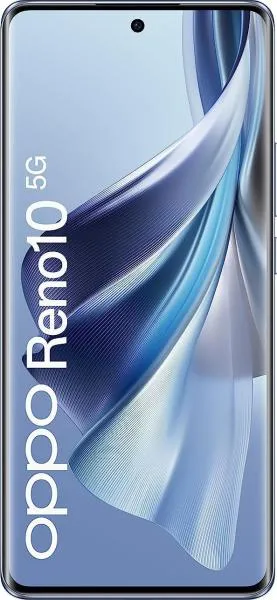
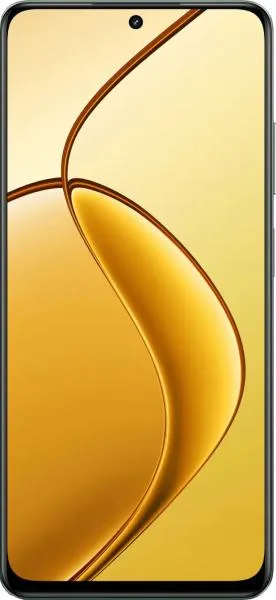
| Dimensions | 162.4 x 74.2 x 8 mm | 165.6 x 76.1 x 7.9 mm | Reno10 is slightly smaller and thinner, potentially more pocketable. |
| Weight | 185g | 190g | Negligible weight difference in real-world usage. |
| Fingerprint Sensor | Under-display | Side-mounted | Preference-based; under-display feels more modern, side-mounted can be faster. |
| Display | |||
| Display Type | AMOLED, 1B colors, 120Hz, HDR10+ | IPS LCD, 120Hz | Reno10's AMOLED offers deeper blacks, richer colors, and HDR support for better multimedia consumption. |
| Resolution | 1080 x 2412 | 720 x 1604 | Reno10's significantly higher resolution results in sharper text and images. 720p is noticeably less sharp on a 6.67" screen. |
| Refresh Rate | 120Hz | 120Hz | Both offer smooth scrolling and animations. |
| Peak Brightness | 950 nits | Not specified | Reno10's higher peak brightness (and specified values for typical and HBM) ensures better visibility outdoors. The lack of specific brightness data for the Realme 12x makes direct comparison difficult. |
| Performance | |||
| Chipset | Mediatek Dimensity 7050 (6 nm) | Mediatek Dimensity 6100+ (6 nm) | Dimensity 7050 is generally more powerful, leading to smoother multitasking and potentially better gaming performance. |
| CPU | Octa-core (2x2.6 GHz Cortex-A78 & 6x2.0 GHz Cortex-A55) | Octa-core (2x2.2 GHz Cortex-A76 & 6x2.0 GHz Cortex-A55) | Reno10 has slightly faster prime cores, offering a potential edge in demanding tasks. |
| GPU | Mali-G68 MC4 | Mali-G57 MC2 | Reno10's GPU is more powerful, beneficial for gaming and graphically intensive applications. |
| RAM | 8GB | 8GB | Same RAM capacity should provide similar multitasking capabilities. |
| Storage | 256GB | 256GB | Both offer ample storage space. |
| Camera | |||
| Video Capabilities | 4K@30fps, 1080p@ various fps including slow-mo | 1080p@30fps | Reno10 provides significantly more versatile video recording options, including 4K resolution and slow-motion. Missing detailed camera specs limit a thorough comparison. |
| Battery | |||
| Capacity | 5000 mAh | 5000 mAh | Similar battery capacity suggests comparable battery life, although real-world usage will vary. |
2. Key Differences Analysis
Oppo Reno10 Advantages:
- Superior Display: AMOLED with higher resolution and brightness provides a significantly better viewing experience.
- More Powerful Performance: The Dimensity 7050 and Mali-G68 MC4 offer noticeable advantages in demanding tasks and gaming.
- Versatile Video Recording: Supports 4K resolution and various slow-motion modes.
Realme 12x Advantages:
- Potentially Lower Price: While both are mid-range, the Realme 12x, being a newer release in a lower numerical series, might be priced lower.
- More Recent OS: Launches with Android 14.
Trade-offs:
- Realme 12x: Sacrifices display quality and performance for potential cost savings.
- Oppo Reno10: Potentially higher price.
3. User Profiles & Recommendations
Oppo Reno10: Users who prioritize display quality, performance, and versatile camera features. Ideal for multimedia consumption, gaming, and content creation.
Realme 12x: Users on a tighter budget who prioritize basic functionality and a large screen size. Suitable for everyday tasks like browsing, social media, and casual video watching. Less suitable for demanding users.
4. Decision Framework
Key Questions for Buyers:
- What is your budget? The price difference might be a deciding factor.
- What are your primary smartphone uses? Gaming, multimedia consumption, or basic tasks?
- How important is display quality? Is a vibrant, sharp display a priority?
Scenario-Based Recommendations:
- Heavy multimedia user: Oppo Reno10.
- Budget-conscious casual user: Realme 12x.
- Gamer: Oppo Reno10.
My Choice: Oppo Reno10
The Oppo Reno10 is the clear winner for me. While the Realme 12x might offer a slightly lower price, the compromises on display quality and performance are too significant. The Reno10's superior AMOLED display, higher resolution, brighter screen, more powerful chipset, and versatile video recording capabilities make it a much more compelling device overall. The slightly smaller size is also preferable to me. In the mid-range market, these differences in user experience outweigh potential cost savings, especially considering the long-term use of a smartphone.
