1. Specifications Comparison
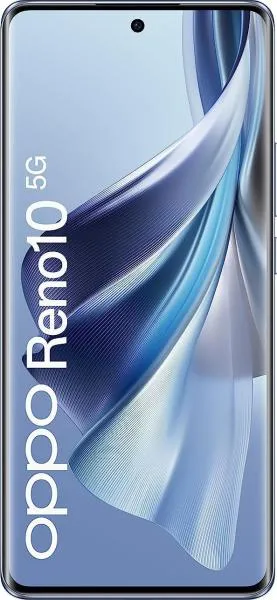
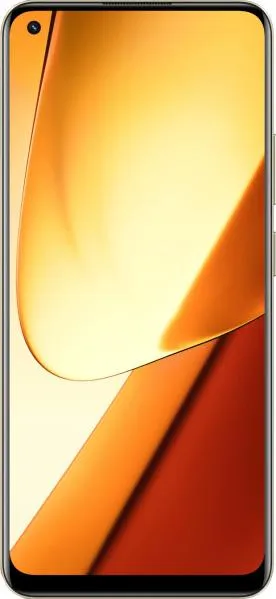
| Feature | Oppo Reno10 | Realme 11 | Practical Impact |
|---|---|---|---|
| Design | |||
| Dimensions | 162.4 x 74.2 x 8 mm | 165.7 x 76 x 8.1 mm | Realme 11 is slightly larger and thicker. |
| Weight | 185g | 190g | Oppo Reno10 is slightly lighter, more comfortable for extended use. |
| Fingerprint Sensor | Under-display | Side-mounted | Preference-based, under-display often perceived as more premium. |
| Display | |||
| Display Type | AMOLED, 1B colors, 120Hz, HDR10+ | IPS LCD, 120Hz | Reno10 offers superior contrast, deeper blacks, and HDR support for richer visuals. Realme 11's LCD may appear washed out in comparison. |
| Size | 6.7" | 6.72" | Negligible size difference in real-world usage. |
| Resolution | 1080 x 2412 | 1080 x 2400 | Virtually identical pixel density, sharpness will be similar. |
| Peak Brightness | 950 nits | Not specified | Reno10's higher peak brightness ensures better visibility in direct sunlight. Lack of data for Realme 11 prevents direct comparison but based on typical brightness, Reno 10 will likely be brighter. |
| Performance | |||
| Chipset | Mediatek Dimensity 7050 (6nm) | Mediatek Dimensity 6100+ (6nm) | Dimensity 7050 generally offers slightly better performance in benchmarks, translating to smoother multitasking and potentially better gaming performance. |
| CPU | Octa-core (2x2.6 GHz Cortex-A78 & 6x2.0 GHz Cortex-A55) | Octa-core (2x2.2 GHz Cortex-A76 & 6x2.0 GHz Cortex-A55) | Reno10's CPU configuration with faster Cortex-A78 cores likely provides a performance edge in demanding tasks. |
| GPU | Mali-G68 MC4 | Mali-G57 MC2 | Reno10's GPU is more powerful, offering smoother gaming and graphics performance. |
| RAM | 8GB | 8GB | Identical RAM capacity should provide similar multitasking capabilities. |
| Storage | 256GB | 256GB | Identical storage capacity. |
| Camera | |||
| Video Capabilities | 4K@30fps, various 1080p options including slow-mo | 1080p@30fps | Reno10 offers significantly more versatile video recording options, including 4K resolution and slow-motion capture. Limited information on Realme 11's camera prevents detailed comparison. |
| Battery | |||
| Capacity | 5000 mAh | 5000 mAh | Identical battery capacity, expected similar battery life depending on usage. |
2. Key Differences Analysis
Oppo Reno10 Advantages:
- Superior Display: AMOLED with HDR10+ offers significantly better visual quality.
- Better Performance: More powerful CPU and GPU for smoother overall experience.
- More Versatile Camera: Supports 4K video recording and various slow-motion modes.
- Slightly Lighter: More comfortable for extended use.
Realme 11 Advantages:
- Potentially Lower Price: While both are mid-range, Realme often positions products more aggressively on price.
3. User Profiles & Recommendations
Oppo Reno10: Users who prioritize display quality, performance, and camera versatility. Suitable for multimedia consumption, mobile gaming, and content creation.
Realme 11: Budget-conscious users who prioritize basic functionality and a large screen. Suitable for everyday tasks like browsing, social media, and casual gaming.
4. Decision Framework
Key Questions:
- How important is display quality? If vibrant colors and deep blacks are crucial, the Reno10's AMOLED is a clear winner.
- What is your budget? If price is a major constraint, the Realme 11 might be a more affordable option.
- What are your primary use cases? For demanding tasks and multimedia consumption, the Reno10 offers better performance.
My Choice: Oppo Reno10
The Oppo Reno10 is the clear winner for me. The superior AMOLED display, more powerful processor and GPU, and significantly more versatile camera capabilities outweigh the minor size and weight differences. While the Realme 11 might be slightly cheaper, the Reno10 offers a substantial upgrade in user experience, particularly for multimedia consumption, gaming, and content creation. I value the significantly better screen and performance, making the Reno10 a more compelling device overall. The lack of specific details regarding the Realme 11's camera and display brightness also makes it difficult to fully assess its capabilities.
