1. Specifications Comparison
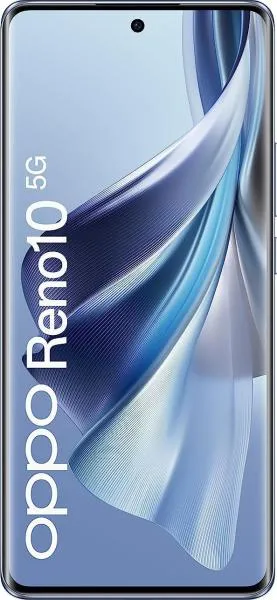
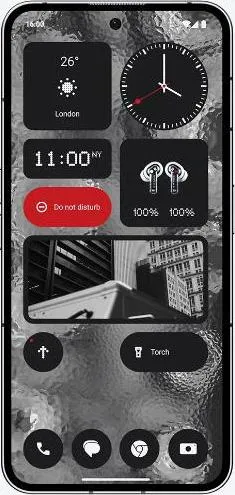
| Feature | Oppo Reno10 | Nothing Phone (2) | Practical Impact |
|---|---|---|---|
| Design | |||
| Dimensions | 162.4 x 74.2 x 8 mm | 162.1 x 76.4 x 8.6 mm | Nothing Phone (2) is slightly wider and thicker. Reno10 might feel slightly more comfortable for one-handed use due to its narrower width. |
| Weight | 185g | 201.2g | Noticeable weight difference; Reno10 is significantly lighter and will be less fatiguing for extended use. |
| Display | |||
| Size | 6.7" | 6.7" | Identical screen sizes. |
| Type | AMOLED, 1B colors, 120Hz, HDR10+ | LTPO OLED, 1B colors, 120Hz, HDR10+ | Both offer excellent displays with vibrant colors and smooth scrolling. LTPO on the Nothing Phone (2) allows for more granular refresh rate control, potentially saving battery. |
| Peak Brightness | 950 nits | 1600 nits | The Nothing Phone (2) offers significantly higher peak brightness, making it much more readable in direct sunlight. |
| Performance | |||
| Chipset | Mediatek Dimensity 7050 (6 nm) | Qualcomm Snapdragon 8+ Gen 1 (4 nm) | Snapdragon 8+ Gen 1 in the Nothing Phone (2) is significantly more powerful, resulting in smoother performance for demanding tasks and gaming. |
| CPU | Octa-core (2x2.6 GHz Cortex-A78 & 6x2.0 GHz Cortex-A55) | Octa-core (1x3.0 GHz Cortex-X2 & 3x2.5 GHz Cortex-A710 & 4x1.80 GHz Cortex-A510) | The Nothing Phone (2) has a more powerful CPU architecture, leading to better multi-core performance. |
| RAM | 8GB | 12GB | More RAM in the Nothing Phone (2) allows for better multitasking and smoother app switching. |
| Storage | 256GB | 256GB / 512GB | Nothing Phone (2) offers a higher storage option for users needing more space. |
| Camera | |||
| Video Capabilities | Up to 4K@30fps, 1080p@480fps | Up to 4K@60fps with HDR, OIS, EIS | Nothing Phone (2) boasts superior video recording capabilities with higher resolution, frame rates, and stabilization features (OIS). Lack of OIS detail for Reno10 limits comprehensive comparison. |
| Battery | |||
| Capacity | 5000 mAh | 4700 mAh | While the Reno10 has a slightly larger battery capacity, the LTPO display in the Nothing Phone (2) could potentially offset this difference in real-world usage. |
2. Key Differences Analysis
Oppo Reno10 Advantages:
- Lighter and Slimmer: More comfortable for extended use and one-handed operation.
- Potentially Longer Battery Life: Larger battery capacity, though real-world usage may vary.
Nothing Phone (2) Advantages:
- Significantly More Powerful: Snapdragon 8+ Gen 1 provides superior performance for gaming and demanding applications.
- Brighter Display: Much easier to read outdoors in bright sunlight.
- Superior Video Recording: Higher resolution, frame rates, and optical image stabilization.
- More RAM: Improved multitasking and smoother performance.
- More Storage Options: Provides flexibility for users with high storage demands.
- Longer Software Support: Expected updates to Android 16.
3. User Profiles & Recommendations
Oppo Reno10: Suitable for users prioritizing a lightweight and comfortable phone for everyday tasks like browsing, social media, and light gaming. Budget-conscious users who don't require the absolute best performance will also appreciate it.
Nothing Phone (2): Ideal for users who demand top-tier performance for gaming, demanding applications, and content creation. Its superior display and camera make it suitable for media consumption and photography enthusiasts. Users who value long-term software updates will also benefit.
4. Decision Framework
Key Questions for Buyers:
- What is your budget? Both are mid-range, but the Nothing Phone (2) might be positioned at the higher end.
- What are your primary use cases? (e.g., gaming, photography, social media)
- How important is long-term software support?
Scenario-Based Recommendations:
- Casual User: Reno10 is sufficient.
- Power User/Gamer: Nothing Phone (2) is the better choice.
- Photographer/Videographer: Nothing Phone (2) provides better camera features.
My Choice: Nothing Phone (2)
While the Oppo Reno10 offers a lighter and potentially longer-lasting battery experience, the Nothing Phone (2)'s superior performance, brighter display, better video recording capabilities, and longer software support make it the more compelling device for me. I prioritize performance and future-proofing, and the Snapdragon 8+ Gen 1 ensures a smoother and more responsive experience for demanding tasks. The significantly brighter display is also crucial for outdoor usage. The weight difference, while noticeable, is not a deal-breaker considering the substantial performance gains.
