1. Specifications Comparison
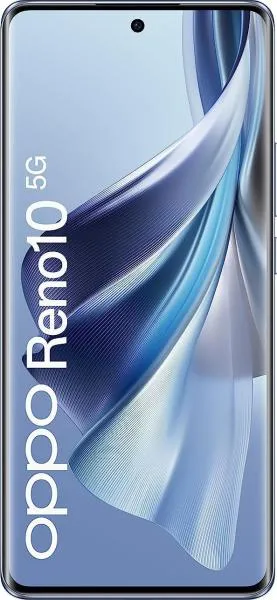
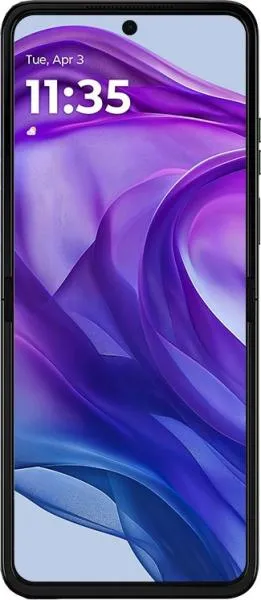
| Feature | Oppo Reno10 | Motorola Razr 50 Ultra | Practical Impact |
|---|---|---|---|
| Design | |||
| Dimensions | 162.4 x 74.2 x 8 mm | 171.4 x 74 x 7.1 mm (folded) | Razr 50 Ultra is significantly more compact when folded, enhancing portability. However, it's taller unfolded. |
| Weight | 185g | 189g | Negligible weight difference in practical use. |
| Foldable | No | Yes | Razr's foldable design offers unique portability and a larger screen in a smaller form factor. |
| Display | |||
| Size | 6.7" | 6.9" | Razr offers a slightly larger screen area. |
| Type | AMOLED, 120Hz | Foldable LTPO AMOLED, 165Hz | Razr's LTPO panel allows for dynamic refresh rate adjustment, saving battery. The higher refresh rate provides smoother animations. The foldable nature is a key differentiator. |
| Resolution | 1080 x 2412 | 1080 x 2640 | Similar pixel density due to the size difference, resulting in comparable sharpness. |
| Peak Brightness | 950 nits | 3000 nits | Razr's significantly higher brightness ensures excellent outdoor visibility. |
| Performance | |||
| Chipset | Mediatek Dimensity 7050 (6nm) | Qualcomm Snapdragon 8+ Gen 1 (4nm) | Razr features a significantly more powerful processor and GPU, leading to much better performance in demanding tasks and gaming. |
| CPU | Octa-core (2x2.6 GHz Cortex-A78 & 6x2.0 GHz Cortex-A55) | Octa-core (1x3.36 GHz Cortex-X3 & 3x2.75 GHz Cortex-A710 & 4x1.80 GHz Cortex-A510) | Razr's CPU architecture is more modern and powerful. |
| GPU | Mali-G68 MC4 | Adreno 740 | Razr's GPU provides a substantial leap in graphics performance. |
| RAM | 8GB | 12GB | Razr's larger RAM allows for better multitasking and smoother performance. |
| Battery | |||
| Capacity | 5000 mAh | 3800 mAh | Reno10 offers significantly longer battery life. Razr's smaller battery is a trade-off for its foldable design. |
| Camera | No detailed specs provided | No detailed specs provided | Cannot compare without detailed sensor and lens information. |
| Other | |||
| OS | Android 13, upgradable to 14 | Android 14, upgradable to 17 | Razr will receive longer software updates and support. |
2. Key Differences Analysis
Oppo Reno10 Advantages:
- Longer Battery Life: The significantly larger battery capacity provides substantially longer usage time.
- Potentially Lower Price: While both are mid-range, the Reno10 might be more affordable.
Motorola Razr 50 Ultra Advantages:
- Foldable Design: Offers unparalleled portability and a larger screen in a pocketable form factor.
- Significantly More Powerful: The Snapdragon 8+ Gen 1 provides a huge performance advantage for demanding tasks and gaming.
- Brighter Display: Much brighter screen for superior outdoor visibility.
- Longer Software Support: Will receive OS updates for a longer period.
- Higher Refresh Rate: Smoother animations and scrolling.
3. User Profiles & Recommendations
Oppo Reno10: Ideal for users prioritizing battery life and affordability. Best suited for everyday tasks, media consumption, and light gaming.
Motorola Razr 50 Ultra: Best for users who value portability and cutting-edge technology. Ideal for those who want a large screen experience in a compact device and need high performance for demanding applications or gaming.
4. Decision Framework
Key Questions for Buyers:
- How important is portability? If ultimate portability is paramount, the Razr's foldable design is a clear winner.
- What's your budget and performance requirement? The Reno10 likely offers better value for money for basic tasks, while the Razr justifies its higher price with superior performance.
- How important is battery life? If all-day battery life is crucial, the Reno10 is the better choice.
My Choice: Motorola Razr 50 Ultra
While the Reno10 offers excellent battery life, the Razr 50 Ultra's foldable design, vastly superior performance thanks to the Snapdragon 8+ Gen 1, brighter display, and longer software support make it the more compelling choice for me. The compact form factor of a foldable phone combined with a large, high-quality display fits my personal preference for portability and productivity. I am willing to accept the trade-off in battery life for the innovative design and superior performance. The commitment to longer software updates also aligns with my desire for a device that remains relevant for an extended period.
