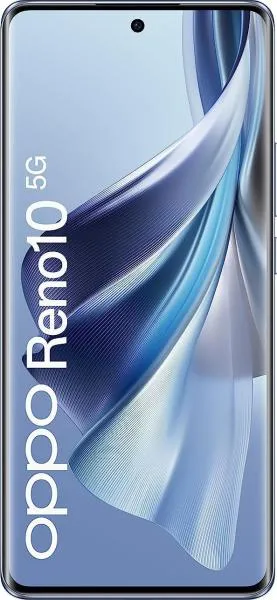
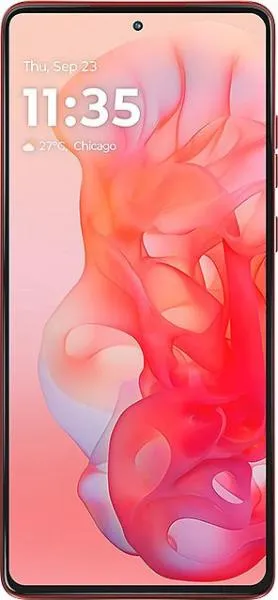
1. Specifications Comparison
| Feature | Oppo Reno10 | Motorola Moto G Stylus 5G (2024) | Practical Impact |
|---|---|---|---|
| Design | |||
| Dimensions (mm) | 162.4 x 74.2 x 8 | 162.6 x 74.8 x 8.3 | Moto is slightly larger and thicker. Negligible difference in hand feel for most users. |
| Weight (g) | 185 | 190 | Oppo is slightly lighter, potentially more comfortable for extended use. |
| Build Materials | Not specified | Not specified | Cannot compare build quality and durability without more information. |
| Display | |||
| Display Type | AMOLED, 1B colors, 120Hz | P-OLED, 1B colors, 120Hz | Both offer smooth scrolling and vibrant colors. AMOLED generally has deeper blacks. |
| Size (inches) | 6.7 | 6.7 | Identical screen sizes. |
| Resolution | 1080 x 2412 | 1080 x 2400 | Virtually identical pixel density, resulting in similar sharpness. |
| Peak Brightness (nits) | 950 | 1200 | Moto's significantly higher peak brightness ensures better outdoor visibility. |
| Performance | |||
| Chipset | Mediatek Dimensity 7050 (6 nm) | Qualcomm Snapdragon 6 Gen 1 (4 nm) | Snapdragon 6 Gen 1 generally offers better performance and efficiency due to newer architecture and smaller process node. |
| CPU | Octa-core (2x2.6 GHz Cortex-A78 & 6x2.0 GHz Cortex-A55) | Octa-core (4x2.2 GHz Cortex-A78 & 4x1.8 GHz Cortex-A55) | While both have similar core configurations, clock speeds suggest the Snapdragon might have a slight edge in performance. |
| GPU | Mali-G68 MC4 | Adreno 710 | Adreno 710 generally offers better gaming performance. |
| RAM | 8GB | 8GB | Same RAM capacity, suggesting similar multitasking capabilities. |
| Storage | 256GB | 256GB | Same storage capacity. |
| Camera | |||
| Rear Camera Specs | Not specified | Not specified | Cannot compare camera quality without detailed sensor and lens information. |
| Video Capabilities | Up to 4K@30fps, 1080p@480fps (slow-mo) | Up to 4K@30fps, 1080p@120fps | Both offer 4K recording. Oppo boasts higher slow-motion capabilities. |
| Battery | |||
| Capacity (mAh) | 5000 | 5000 | Identical battery capacities. Real-world battery life depends on software optimization and usage patterns. |
| Charging Speed | Not specified | Not specified | Cannot compare charging speeds. |
| Other | |||
| OS | Android 13, upgradable to 14 | Android 14, upgradable to 15 | Moto ships with a newer Android version and will receive longer software updates. |
| Stylus | No | Yes (implied by name) | Moto offers stylus functionality for note-taking, drawing, and precise interactions. |
| Sensors | Accelerometer, gyro, proximity, compass, Fingerprint (under display) | Accelerometer, gyro, proximity, compass, barometer, Fingerprint (under display) | Moto adds a barometer for altitude measurement, useful for fitness tracking. |
2. Key Differences Analysis
Oppo Reno10 Advantages:
- Slightly Lighter: May be more comfortable for extended use.
- Higher Slow-Motion Video: Offers more dramatic slow-motion capture.
- Potentially Deeper Blacks (AMOLED): Can provide a more immersive viewing experience in dark scenes.
Motorola Moto G Stylus 5G (2024) Advantages:
- Significantly Brighter Display: Excellent for outdoor visibility.
- More Powerful Chipset: Expect smoother performance in demanding tasks and games.
- Newer Android Version with Longer Support: Ensures access to the latest features and security updates for a longer period.
- Stylus Support: Unique functionality for note-taking and drawing.
- Barometer: Adds functionality for altitude tracking.
3. User Profiles & Recommendations
Oppo Reno10: Users prioritizing a lightweight design and who frequently use slow-motion video capture.
Motorola Moto G Stylus 5G (2024): Users who need a bright display for outdoor use, value performance for gaming or demanding apps, require stylus functionality, prioritize software updates, and appreciate the added barometer sensor for fitness activities.
4. Decision Framework
Key Questions for Buyers:
- How important is outdoor visibility? (Moto excels)
- Do you need a stylus for note-taking or drawing? (Moto is the only option)
- How important is long-term software support? (Moto offers longer updates)
My Choice: Motorola Moto G Stylus 5G (2024)
While the Oppo Reno10 offers a slightly lighter design and superior slow-motion video, the Motorola Moto G Stylus 5G (2024) provides significant advantages in areas that matter more to me. The brighter display, more powerful processor, longer software support, and especially the stylus functionality make it a more compelling overall package. The inclusion of a barometer, while a minor addition, further enhances its functionality for fitness tracking. The slightly heavier weight is a negligible trade-off for these benefits.
