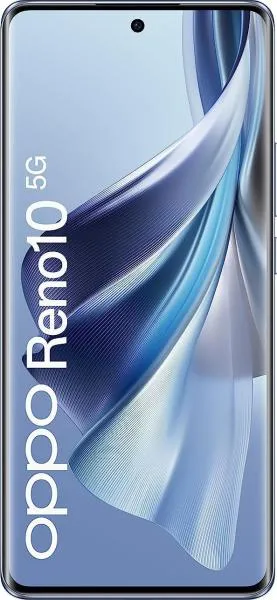
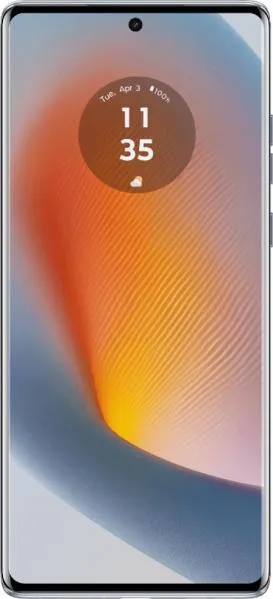
1. Specifications Comparison
| Feature | Oppo Reno10 | Motorola Edge 50 Fusion | Practical Impact |
|---|---|---|---|
| Design | |||
| Dimensions (HxWxD) | 162.4 x 74.2 x 8 mm | 161.9 x 73.1 x 7.9 mm | Virtually identical in size and feel. |
| Weight | 185g | 174.9g | Motorola is noticeably lighter, improving one-handed use. |
| Display | |||
| Display Type | AMOLED, 120Hz | P-OLED, 120/144Hz | Both offer smooth scrolling; P-OLED generally has better blacks and power efficiency. Higher refresh rate on Motorola (in some regions) can result in even smoother animations. |
| Peak Brightness | 950 nits | 1600 nits | Motorola's significantly higher peak brightness ensures better outdoor visibility. |
| Resolution | 1080 x 2412 | 1080 x 2400 | Negligible difference in sharpness at this screen size. |
| Performance | |||
| Chipset | Mediatek Dimensity 7050 (6nm) | Qualcomm Snapdragon 7s Gen 2 (4nm) | Snapdragon 7s Gen 2 generally offers better performance and efficiency due to a more advanced manufacturing process. |
| CPU | Octa-core (2x2.6 GHz Cortex-A78 & 6x2.0 GHz Cortex-A55) | Octa-core (4x2.4 GHz Cortex-A78 & 4x1.95 GHz Cortex-A55) | While clock speeds differ slightly, the architecture variations likely give the Snapdragon chip a performance edge in demanding tasks and multitasking. |
| GPU | Mali-G68 MC4 | Adreno 710 | Adreno 710 is typically favored for gaming and graphics-intensive applications. |
| RAM | 8GB | 8GB | Identical RAM capacity should offer similar multitasking capabilities. |
| Storage | 256GB | 256GB | Equal storage capacity. |
| Camera | |||
| Video Capabilities | 4K@30fps, 1080p up to 480fps | 4K@30fps, 1080p up to 120fps | Both offer standard video recording options; Oppo offers significantly higher slow-motion frame rates. Missing detailed camera specs limit a thorough comparison. |
| Battery | |||
| Capacity | 5000 mAh | 5000 mAh | Identical battery capacity suggests similar battery life, though real-world usage will depend on software optimization and other factors. |
| Software | |||
| OS | Android 13 | Android 14 | Motorola launches with a newer Android version and longer promised support (up to Android 17), indicating longer software updates and security patches. |
2. Key Differences Analysis
Motorola Edge 50 Fusion Advantages:
- Brighter Display: Significantly brighter display improves outdoor readability.
- Potentially More Powerful Chipset: Snapdragon 7s Gen 2 generally offers better performance and efficiency.
- Newer Software and Longer Support: Ships with Android 14 and promised updates to Android 17, ensuring longer software support and security updates.
- Lighter Weight: Noticeably lighter, making it more comfortable for extended use.
Oppo Reno10 Advantages:
- Higher Slow-Motion Frame Rates: Offers a much higher slow-motion video recording capability.
Trade-offs:
- The Motorola's potential performance advantage might come at the cost of slightly reduced battery life in certain scenarios.
3. User Profiles & Recommendations
Oppo Reno10: Users who prioritize slow-motion video capture.
Motorola Edge 50 Fusion: Users who value a bright display, potentially better performance, longer software updates, and a lightweight design. Suitable for general use, gaming, and media consumption.
4. Decision Framework
Key Questions:
- How important is outdoor visibility? (Motorola's brighter display is a major advantage here.)
- Do you prioritize long-term software updates? (Motorola offers longer support.)
- Is slow-motion video recording a crucial feature? (Oppo excels in this area.)
My Choice: Motorola Edge 50 Fusion
While lacking complete camera specifications hinders a full comparison, the Motorola Edge 50 Fusion offers a more compelling overall package. The significantly brighter display, likely performance advantage due to the Snapdragon chipset, the lighter weight, and significantly longer software support outweigh the Oppo's advantage in slow-motion video recording for me. The Motorola promises a better day-to-day user experience with longer-term value due to extended software updates. While the Oppo offers a unique slow-motion capability, the Motorola's broader improvements across key areas like display, performance, and software make it a more future-proof and versatile choice.
