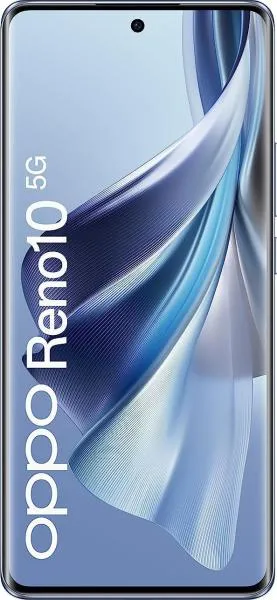
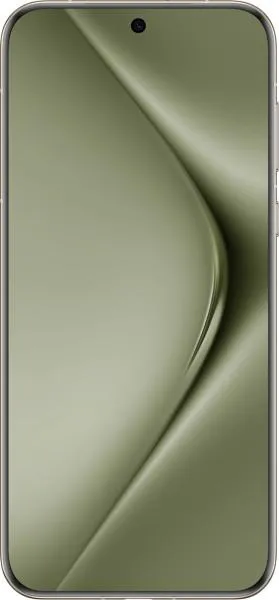
1. Specifications Comparison
| Feature | Oppo Reno10 | Huawei Pura 70 Ultra | Practical Impact |
|---|---|---|---|
| Design | |||
| Dimensions (mm) | 162.4 x 74.2 x 8 | 162.6 x 75.1 x 8.4 | Huawei is slightly larger and thicker. Negligible difference in hand feel for most users. |
| Weight (g) | 185 | 226 | Oppo is significantly lighter, reducing hand fatigue during extended use. |
| Build Materials | Not specified | Not specified | Cannot compare build quality and durability. |
| Display | |||
| Size (inches) | 6.7 | 6.8 | Negligible difference in screen real estate. |
| Type | AMOLED, 120Hz, HDR10+ | LTPO OLED, 120Hz, HDR | Both offer smooth scrolling and vibrant colors. LTPO on Huawei potentially allows for more granular refresh rate control, saving battery. |
| Resolution | 1080 x 2412 | 1260 x 2844 | Huawei has a sharper display (higher pixel density - 460 vs 394 ppi), resulting in crisper text and images. |
| Peak Brightness (nits) | 950 | 2500 | Huawei offers significantly higher peak brightness, ensuring excellent outdoor visibility even in direct sunlight. |
| Performance | |||
| Chipset | Mediatek Dimensity 7050 (6nm) | Kirin 9010 (7nm) | Kirin 9010 is likely more powerful, but real-world performance depends on optimization. 7nm suggests potentially better power efficiency compared to 6nm. |
| CPU | Octa-core (2x2.6 GHz Cortex-A78 & 6x2.0 GHz Cortex-A55) | Octa-core (1x2.3 GHz Taishan Big & 3x2.18 GHz Taishan Mid & 4x1.55 GHz Cortex-A510) | Difficult to compare CPU performance directly without benchmarks. Different architectures and core configurations make a direct comparison challenging. |
| GPU | Mali-G68 MC4 | 8 (Unspecified) | Insufficient information to compare GPU performance. |
| RAM | 8GB | 16GB | Huawei offers double the RAM, enabling smoother multitasking and better handling of demanding applications. |
| Storage | 256GB | 1000GB | Huawei offers significantly more storage for apps, photos, and videos. |
| Camera | |||
| Video Capabilities | 4K@30fps, various slow-motion modes | Not specified | Oppo lists extensive video features; Huawei's capabilities are unknown. |
| Battery | |||
| Capacity (mAh) | 5000 | 5200 | Huawei has a slightly larger battery, but real-world battery life depends on various factors like software optimization and display usage. |
| Software | |||
| OS | Android 13 | Not specified | A critical missing specification. OS significantly impacts user experience and app availability. |
2. Key Differences Analysis
Oppo Reno10 Advantages:
- Lighter: Significantly more comfortable for extended use.
- Detailed Video Capabilities: Offers a range of video recording options including slow-motion.
Huawei Pura 70 Ultra Advantages:
- Sharper Display: Noticeably crisper visuals due to higher resolution and pixel density.
- Brighter Display: Superior outdoor visibility.
- More Powerful Chipset (Likely): Potentially better performance and power efficiency.
- More RAM and Storage: Smoother multitasking and ample space for files.
- Larger Battery: Potentially longer battery life.
3. User Profiles & Recommendations
Oppo Reno10: Suitable for users prioritizing a lightweight phone with good video recording capabilities and a vibrant display. Best for everyday tasks, social media, and casual gaming. Price-conscious buyers will find this attractive.
Huawei Pura 70 Ultra: Ideal for power users demanding top-tier performance, a stunning display, and ample storage. Suitable for demanding gaming, professional photography/videography (assuming camera specs are competitive), and heavy multitasking. The lack of OS information makes a strong recommendation difficult.
4. Decision Framework
Key Questions for Buyers:
- What is your budget? The Huawei is likely significantly more expensive.
- What are your primary use cases? Gaming, photography, or everyday tasks?
- How important is software and app availability? The missing OS information for the Huawei is crucial.
My Choice:
I would lean towards the Oppo Reno10, primarily due to the significant weight difference and the known OS (Android). The 71g weight difference is substantial and impacts daily comfort significantly. While the Huawei boasts impressive specs on paper (display, RAM, storage), the lack of OS information is a deal-breaker. Without knowing the OS, app availability, and software features, it's impossible to make an informed decision. Furthermore, the Oppo offers comprehensive video recording capabilities, which is a valuable feature for many users. Finally, the Oppo likely offers better value considering its "medium price" range compared to the Huawei's "high price" designation. I prioritize a comfortable, functional device with a known software ecosystem. If the Huawei were to run a full version of Android with access to Google services and its weight were closer to the Oppo, it would be a much stronger contender.
