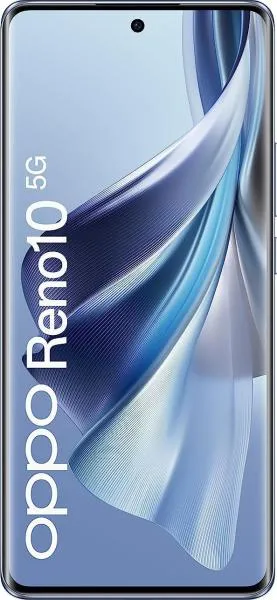
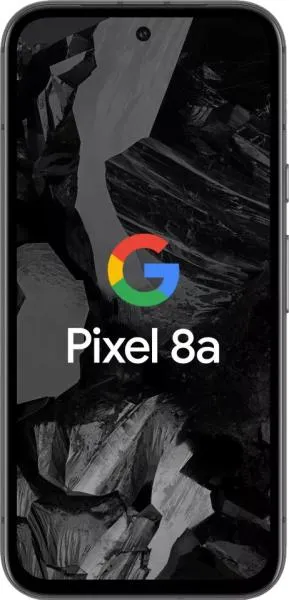
1. Specifications Comparison
| Feature | Oppo Reno10 | Google Pixel 8a | Practical Impact |
|---|---|---|---|
| Design | |||
| Dimensions (mm) | 162.4 x 74.2 x 8 | 152.1 x 72.7 x 8.9 | Pixel 8a is slightly shorter, narrower, and thicker. Reno10 might feel more comfortable for some due to its thinner profile. |
| Weight (g) | 185 | 188 | Negligible weight difference; both phones are relatively light. |
| Build Materials | Not specified | Not specified | Unable to compare build quality and durability without further information. |
| Display | |||
| Display Type | AMOLED, 1B colors | OLED, HDR | Both offer high-quality displays with vibrant colors. |
| Size (inches) | 6.7 | 6.1 | Reno10 provides a larger screen for media consumption and multitasking, while Pixel 8a offers better one-handed usability. |
| Resolution | 1080 x 2412 | 1080 x 2400 | Virtually identical resolution; sharpness will be similar on both. |
| Refresh Rate (Hz) | 120 | 120 | Both offer smooth scrolling and animations. |
| Peak Brightness (nits) | 950 | 2000 | Pixel 8a's significantly higher peak brightness ensures better visibility in direct sunlight. |
| Performance | |||
| Chipset | Mediatek Dimensity 7050 (6 nm) | Google Tensor G3 (4 nm) | Tensor G3, built on a smaller node, is expected to offer better performance and power efficiency. |
| CPU | Octa-core (2x2.6 GHz Cortex-A78 & 6x2.0 GHz Cortex-A55) | Nona-core (1x3.0 GHz Cortex-X3 & 4x2.45 GHz Cortex-A715 & 4x2.15 GHz Cortex-A510) | Pixel 8a boasts a more powerful and modern CPU architecture, leading to smoother multitasking and demanding application performance. |
| GPU | Mali-G68 MC4 | Immortalis-G715s MC10 | Pixel 8a's GPU is considerably more powerful, offering a superior gaming and graphics-intensive task experience. |
| RAM | 8GB | 8GB | Both phones offer the same amount of RAM, sufficient for multitasking. |
| Storage | 256GB | 256GB | Both offer the same storage capacity. |
| Camera | |||
| Video Capabilities | Up to 4K@30fps with EIS | Up to 4K@60fps with OIS | Pixel 8a offers higher resolution and frame rate video recording with superior Optical Image Stabilization (OIS) for smoother videos. Reno10 relies on Electronic Image Stabilization (EIS), which is generally less effective. |
| Specific Camera Sensor Details | Not specified for either phone | Not specified for either phone | Cannot compare camera quality without sensor specifications (e.g., megapixels, aperture). |
| Battery | |||
| Capacity (mAh) | 5000 | 4492 | Reno10 has a larger battery capacity, potentially offering longer battery life. However, real-world battery life depends on various factors, including chipset efficiency and software optimization. |
| Charging Speed | Not specified | Not specified | Unable to compare charging speeds. |
2. Key Differences Analysis
Oppo Reno10 Advantages:
- Larger Display: Better for media consumption and multitasking.
- Potentially Longer Battery Life: Larger battery capacity suggests longer usage time, but real-world performance depends on optimization.
Google Pixel 8a Advantages:
- Significantly Brighter Display: Excellent outdoor visibility.
- More Powerful Processor and GPU: Smoother performance, better gaming, and enhanced handling of demanding tasks.
- Superior Video Recording: Higher resolution, frame rates, and Optical Image Stabilization.
- More Modern OS with Longer Support: Android 14 out-of-the-box with guaranteed updates to Android 21.
- Faster USB standard: USB Type-C 3.2 allows for faster data transfer speeds compared to USB Type-C 2.0
3. User Profiles & Recommendations
Oppo Reno10: Users prioritizing a large display and potential for long battery life on a budget. Suitable for media consumption, casual gaming, and everyday tasks.
Google Pixel 8a: Users who value performance, a bright display, excellent camera capabilities (specifically video), and the latest Android features with long-term software updates. Ideal for power users, gamers, and photography/videography enthusiasts.
4. Decision Framework
Key Questions for Buyers:
- What screen size do you prefer? Larger screen (Reno10) vs. more compact one-handed use (Pixel 8a).
- How important is performance and future-proofing? Pixel 8a provides a significant advantage in processing power and software support.
- What is your budget and how much do you value camera quality, particularly video? Pixel 8a excels in video recording capabilities.
What I Would Choose and Why:
I would choose the Google Pixel 8a. While the Oppo Reno10 offers a larger display and potentially longer battery life, the Pixel 8a provides significant advantages in crucial areas:
- Performance: The Tensor G3 chip provides a noticeable difference in speed and responsiveness for demanding tasks and future-proofs the device.
- Display: While larger, the Reno10's display is significantly dimmer, making outdoor use challenging. The Pixel 8a's 2000 nits peak brightness is a huge advantage.
- Camera: The superior video capabilities of the Pixel 8a, including OIS and higher frame rates, are compelling.
- Software: The longer software support commitment from Google ensures the Pixel 8a will receive updates and security patches for years to come, extending its usable lifespan.
Although battery life is a concern, the Tensor G3's efficiency might mitigate the smaller battery capacity compared to the Reno10. Ultimately, the Pixel 8a's superior performance, brighter display, better camera, and longer software support outweigh the benefits of the Reno10 for my personal needs.
