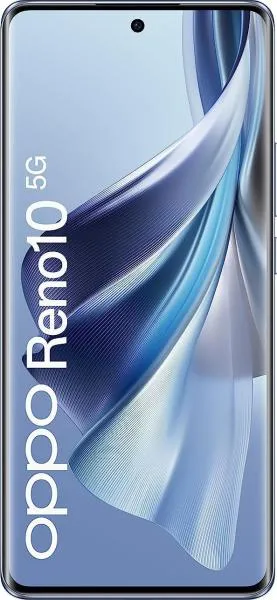

1. Specifications Comparison
| Feature | Oppo Reno10 | Google Pixel 8 Pro | Practical Impact |
|---|---|---|---|
| Design | |||
| Dimensions | 162.4 x 74.2 x 8 mm | 162.6 x 76.5 x 8.8 mm | Pixel 8 Pro is slightly larger and thicker. Reno10 might feel more comfortable for one-handed use. |
| Weight | 185g | 213g | Reno10 is noticeably lighter, reducing hand fatigue during extended use. |
| Display | |||
| Size | 6.7" | 6.7" | Same screen size. |
| Type | AMOLED, 120Hz | LTPO OLED, 120Hz | Both offer smooth scrolling and animations. LTPO on Pixel allows for more granular refresh rate control, potentially saving battery. |
| Resolution | 1080 x 2412 | 1344 x 2992 | Pixel 8 Pro has a significantly sharper display with higher pixel density (394 vs 489 ppi), resulting in crisper text and images. |
| Peak Brightness | 950 nits | 2400 nits | Pixel 8 Pro offers far superior outdoor visibility in direct sunlight. |
| Performance | |||
| Chipset | Mediatek Dimensity 7050 (6nm) | Google Tensor G3 (4nm) | Tensor G3, being a newer generation chip built on a smaller process node, is expected to offer significantly better performance and power efficiency. |
| CPU | Octa-core (2x2.6 GHz Cortex-A78 & 6x2.0 GHz Cortex-A55) | Nona-core (1x3.0 GHz Cortex-X3 & 4x2.45 GHz Cortex-A715 & 4x2.15 GHz Cortex-A510) | Pixel 8 Pro's CPU configuration suggests a substantial performance advantage in demanding tasks and multitasking. |
| GPU | Mali-G68 MC4 | Immortalis-G715s MC10 | Pixel 8 Pro's GPU is expected to provide a significantly better gaming and graphics-intensive application experience. |
| RAM | 8GB | 12GB | Pixel 8 Pro's larger RAM allows for more apps to run in the background without reloading, improving multitasking performance. |
| Storage | 256GB | 256GB/512GB/1TB | Pixel offers more storage options for users with large media libraries. |
| Camera | We lack detailed camera sensor specifications to make a comprehensive comparison. | ||
| Video | Up to 4K@30fps | Up to 4K@60fps | Pixel 8 Pro can record smoother and more detailed 4K videos at 60fps. It also features OIS and EIS at higher resolutions for more stable footage. |
| Battery | |||
| Capacity | 5000 mAh | 5050 mAh | Negligible difference in battery capacity. Real-world battery life will depend more on software optimization and chip efficiency. |
| Software | |||
| OS | Android 13 | Android 14 | Pixel 8 Pro launches with the latest Android version and will receive longer OS and security updates directly from Google. |
2. Key Differences Analysis
Oppo Reno10 Advantages:
- Lighter and potentially more comfortable for one-handed use.
- Potentially more affordable. (Based on general brand pricing trends)
Google Pixel 8 Pro Advantages:
- Significantly more powerful processor and GPU, resulting in smoother performance and better gaming.
- Sharper and brighter display with better outdoor visibility.
- More RAM for improved multitasking.
- More storage options.
- Superior video recording capabilities.
- Longer software support and latest Android version out of the box.
- More advanced sensor suite (barometer, skin temperature). Although practical application of skin temperature sensor for average user is debatable.
3. User Profiles & Recommendations
Oppo Reno10:
- Budget-conscious users: Who prioritize a lightweight phone for everyday tasks like browsing, social media, and casual photography.
- Users who value one-handed usability: The lighter and smaller form factor makes it easier to handle.
Google Pixel 8 Pro:
- Power users: Demanding tasks, gaming, multitasking, media consumption.
- Photography and videography enthusiasts: Although we lack detailed camera specs, Pixel phones generally excel in this area, further enhanced by the superior video recording capabilities.
- Users who prioritize the latest software and long-term updates.
4. Decision Framework
Key Questions for Buyers:
- What is your budget? The Pixel 8 Pro is expected to be significantly more expensive.
- What are your primary smartphone usage patterns? (Gaming, photography, social media, etc.)
- How important is software support and longevity to you?
My Choice: Google Pixel 8 Pro
While the Oppo Reno10 offers a lighter design, the Pixel 8 Pro's significant advantages in performance, display, software support, and video recording capabilities make it the clear winner for me. I value a smooth and responsive user experience, a great display for media consumption, and the assurance of long-term software updates. The Pixel 8 Pro's superior hardware and Google's commitment to software updates outweigh the Reno10's advantages in weight and potential price. The more powerful chip, sharper display, and increased RAM would significantly improve my day-to-day usage.
