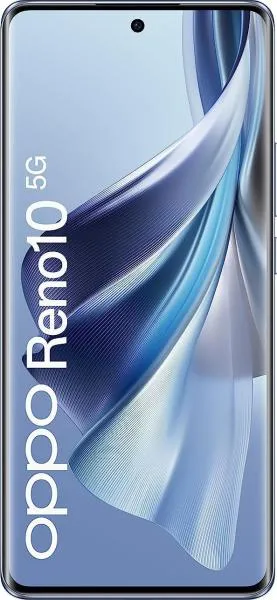
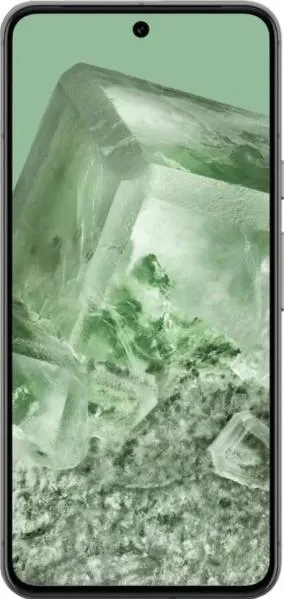
1. Specifications Comparison
| Feature | Oppo Reno10 | Google Pixel 8 | Practical Impact |
|---|---|---|---|
| Design | |||
| Dimensions | 162.4 x 74.2 x 8 mm | 150.5 x 70.8 x 8.9 mm | Pixel 8 is noticeably smaller and slightly thicker. Reno10 might be slightly easier to hold due to narrower width. |
| Weight | 185g | 187g | Negligible weight difference in real-world usage. |
| Build Material | (Unspecified) | (Unspecified) | Build material impacts durability and premium feel; lack of information limits comparison. |
| Display | |||
| Display Type | AMOLED, 1B colors, 120Hz | OLED, 120Hz | Both offer smooth scrolling and vibrant colors. AMOLED generally offers deeper blacks. Reno10 having 1 Billion colors offers a wider color gamut for more accurate visuals. |
| Size | 6.7" | 6.2" | Reno10 provides a larger screen for media consumption, while Pixel 8 is more pocketable. |
| Resolution | 1080 x 2412 | 1080 x 2400 | Virtually identical pixel density; sharpness will be indistinguishable. |
| Peak Brightness | 950 nits | 2000 nits | Pixel 8's significantly higher peak brightness ensures better visibility in direct sunlight. |
| Performance | |||
| Chipset | Mediatek Dimensity 7050 (6nm) | Google Tensor G3 (4nm) | Tensor G3, being newer and built on a smaller process node, likely offers better performance and power efficiency. |
| CPU | Octa-core (2x2.6 GHz A78 & 6x2.0 GHz A55) | Nona-core (1x3.0 GHz X3 & 4x2.45 GHz A715 & 4x2.15 GHz A510) | Tensor G3's more powerful cores and advanced architecture suggest superior multi-tasking and demanding workloads. |
| GPU | Mali-G68 MC4 | Immortalis-G715s MC10 | Pixel 8's GPU is likely significantly more powerful, resulting in smoother gaming and faster graphics rendering. |
| RAM | 8GB | 8GB | Same RAM capacity; multitasking performance will depend more on chipset and software optimization. |
| Camera | |||
| Video Capabilities | 4K@30fps, up to 480fps slow-mo | 4K@60fps, up to 240fps slow-mo | Pixel 8 offers higher resolution and frame rate video recording, along with OIS and HDR, suggesting superior video quality. Pixel offers more advanced slo-mo options. |
| Battery | |||
| Capacity | 5000 mAh | 4575 mAh | Reno10 boasts a larger battery capacity, potentially offering longer battery life. |
| Software | |||
| OS | Android 13, upgradable to 14 | Android 14, upgradable to 21 | Pixel 8 benefits from longer software support, ensuring security updates and new features for a significantly longer period. |
2. Key Differences Analysis
Oppo Reno10 Advantages:
- Larger Display: Better for media consumption.
- Larger Battery: Potential for longer battery life.
Google Pixel 8 Advantages:
- Significantly Brighter Display: Excellent outdoor visibility.
- More Powerful Chipset and GPU: Smoother performance, better gaming.
- Superior Camera: Higher quality video recording capabilities due to OIS and HDR.
- Longer Software Support: Guaranteed updates and new features for years to come.
- Faster Charging USB: Type C 3.2 offers faster data transfer and potentially faster charging speeds depending on the charging brick used.
3. User Profiles & Recommendations
Oppo Reno10: Users prioritizing a large display and long battery life for media consumption and casual use. Budget-conscious buyers looking for a larger screen.
Google Pixel 8: Users who value performance, a top-tier camera, the latest software and features, and long-term software support. Ideal for power users, gamers, and photography enthusiasts.
4. Decision Framework
Key Questions:
- What is your budget? Both are mid-range but the Pixel 8 is likely priced at the higher end of mid-range.
- What is your primary use case? (e.g., media consumption, gaming, photography)
- How important is software support and future-proofing?
Scenario-Based Recommendations:
- Limited Budget, Media Consumption Focus: Oppo Reno10
- Performance and Camera Focused: Google Pixel 8
- Long-Term Use and Latest Features: Google Pixel 8
My Choice: Google Pixel 8
While the Reno10 offers a larger display and battery, the Pixel 8's superior performance, camera, notably longer software support, and brighter display make it the more compelling choice for me. The Tensor G3's advantages in AI and machine learning capabilities further enhance the user experience. The significantly brighter display is crucial for outdoor use, and longer software support provides peace of mind and access to the latest features for an extended period. I prioritize these factors over a slightly larger screen and potentially longer battery life (which can be mitigated with power-saving features and charging habits). The faster USB standard also future proofs the device for quicker data transfer and potentially faster charging capabilities.
