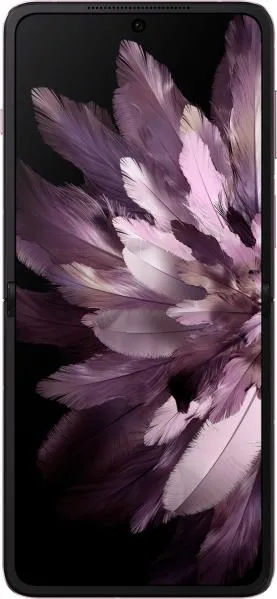
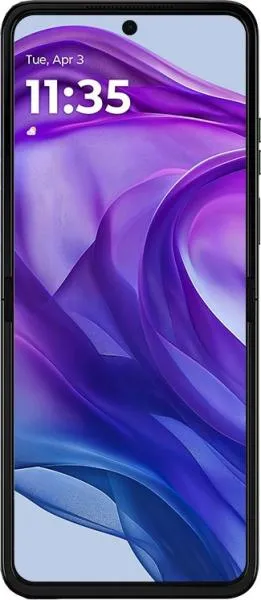
1. Specifications Comparison
| Feature | Oppo Find N3 Flip | Motorola Razr 50 Ultra | Practical Impact | |
|---|---|---|---|---|
| Design | ||||
| Dimensions | 166.4 x 75.8 x 7.8 mm | 171.4 x 74 x 7.1 mm | Razr 50 Ultra is slightly taller and thinner when unfolded, but the N3 Flip is narrower. Impact on one-handed usability depends on individual hand size. | |
| Weight | 198g | 189g | Razr 50 Ultra is noticeably lighter, improving portability and reducing hand fatigue during extended use. | |
| Foldable | Yes | Yes | Both are foldable, offering compact portability. No information on specific hinge mechanism durability for comparison. | |
| Display | ||||
| Size | 6.8" | 6.9" | Negligible difference in main screen size. | |
| Type | Foldable LTPO AMOLED | Foldable LTPO AMOLED | Both offer excellent color accuracy, power efficiency, and smooth scrolling. Durability of the folding screen is not compared as specifications are missing. | |
| Resolution | 1080 x 2520 | 1080 x 2640 | Razr 50 Ultra has a slightly higher resolution, resulting in marginally sharper text and images. The difference is unlikely to be noticeable in everyday use. | |
| Refresh Rate | 120Hz | 165Hz | Razr 50 Ultra offers a higher refresh rate, leading to smoother animations and transitions, especially noticeable in gaming and fast-scrolling. | |
| Peak Brightness | 1600 nits | 3000 nits | Razr 50 Ultra's significantly higher peak brightness ensures superior outdoor visibility in direct sunlight. | |
| Performance | ||||
| Chipset | Mediatek Dimensity 9200 (4 nm) | Qualcomm Snapdragon 8s Gen 3 (4 nm) | Both are high-end chipsets offering excellent performance. Benchmarking comparisons would be needed for definitive performance ranking. | |
| CPU | Octa-core (1x3.05 GHz Cortex-X3 & 3x2.85 GHz Cortex-A715 & 4x1.80 GHz Cortex-A510) | Octa-core (1x3.0 GHz Cortex-X4 & 4x2.8 GHz Cortex-A720 & 3x2.0 GHz Cortex-A520) | Both CPUs offer high performance. Architectural differences might lead to variations in specific tasks. Real-world performance differences would require benchmark comparisons. | |
| GPU | Immortalis-G715 MC11 | Adreno 735 | Both GPUs are capable of handling demanding games and applications. Direct comparison requires benchmark data. | |
| RAM | 12GB | 12GB | Both phones have ample RAM for multitasking and smooth performance. | |
| Storage | 512GB | 256GB | The N3 Flip offers double the storage, allowing for more apps, photos, and videos to be stored locally. | |
| Battery | ||||
| Capacity | 4300 mAh | 4000 mAh | The N3 Flip has a larger battery, potentially offering longer battery life. Real-world usage will vary. | |
| Camera | ||||
| Video Capabilities | 4K@30fps, 1080p at various fps | Up to 4K@60fps, 1080p at various fps including 960fps slow-mo | Razr 50 Ultra offers more comprehensive video recording options, including higher resolution and frame rate, and slow-motion capture. Detailed camera sensor specifications are missing for in-depth comparison. |
2. Key Differences Analysis
Oppo Find N3 Flip Advantages:
- Larger battery capacity potentially leading to longer usage time.
- Double the storage capacity.
Motorola Razr 50 Ultra Advantages:
- Lighter and thinner design, improving portability.
- Brighter display for better outdoor visibility.
- Higher refresh rate screen for smoother visuals.
- More comprehensive video recording capabilities.
- Newer Android OS at launch (Android 14 vs Android 13).
3. User Profiles & Recommendations
Oppo Find N3 Flip: Users who prioritize longer battery life and ample storage.
Motorola Razr 50 Ultra: Users who value a lightweight and portable design, a bright and smooth display, and advanced video recording features.
4. Decision Framework
Key Questions:
- How important is battery life and storage? If these are top priorities, the N3 Flip is a strong contender.
- Do you prioritize portability and a premium display? If so, the Razr 50 Ultra is the better choice.
- Is video recording a key factor? The Razr 50 Ultra offers significantly better video features.
My Choice: Motorola Razr 50 Ultra
While the Oppo Find N3 Flip offers a larger battery and more storage, the Motorola Razr 50 Ultra's superior display, lighter design, and more advanced video capabilities are more compelling to me. The brighter screen and higher refresh rate significantly enhance daily usage, and the weight difference makes it more comfortable for extended use. While storage is important, cloud services mitigate the difference to some extent, and the improved portability and user experience outweigh the storage advantage for my personal needs. The newer Android version at launch is also a plus.
