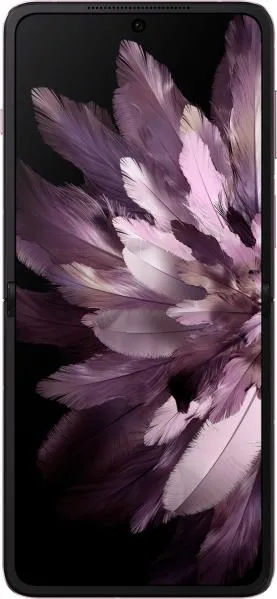
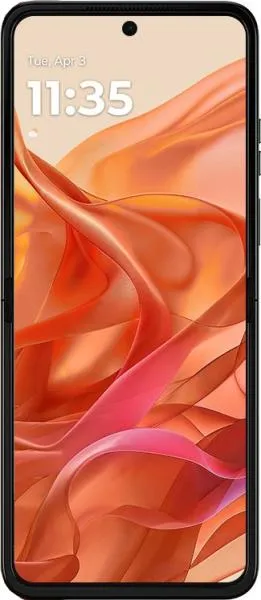
1. Specifications Comparison
| Feature | Oppo Find N3 Flip | Motorola Razr 50 | Practical Impact |
|---|---|---|---|
| Design | |||
| Dimensions | 166.4 x 75.8 x 7.8 mm | 171.3 x 74 x 7.3 mm | Razr 50 is slightly taller and thinner. Negligible difference in daily use. |
| Weight | 198g | 188.4g | Razr 50 is slightly lighter, but the difference is minimal. |
| Foldable | Yes | Yes | Both offer the portability benefits of a foldable phone. |
| Display | |||
| Size | 6.8" | 6.9" | Razr 50 offers a marginally larger screen. |
| Type | Foldable LTPO AMOLED | Foldable LTPO AMOLED | Both use high-quality display technology with dynamic refresh rates for smooth scrolling and power efficiency. |
| Resolution | 1080 x 2520 | 1080 x 2640 | Razr 50 has a slightly taller aspect ratio. Minimal difference in sharpness due to similar pixel density. |
| Refresh Rate | 120Hz | 120Hz | Both offer smooth scrolling and animations. |
| Peak Brightness | 1600 nits | 3000 nits | Razr 50 offers significantly higher peak brightness, improving outdoor visibility. |
| Performance | |||
| Chipset | Mediatek Dimensity 9200 (4 nm) | Mediatek Dimensity 7300X (4 nm) | Dimensity 9200 in the N3 Flip is a flagship-level processor, offering noticeably better performance for demanding tasks and gaming compared to the mid-range Dimensity 7300X. |
| CPU | Octa-core (1x3.05 GHz Cortex-X3 & 3x2.85 GHz Cortex-A715 & 4x1.80 GHz Cortex-A510) | Octa-core (4x2.5 GHz Cortex-A78 & 4x2.0 GHz Cortex-A55) | N3 Flip's CPU architecture is more powerful and efficient. |
| GPU | Immortalis-G715 MC11 | Mali-G615 MC2 | N3 Flip's GPU provides a superior gaming and graphics rendering experience. |
| RAM | 12GB | 12GB | Both offer ample RAM for multitasking. |
| Storage | 512GB | 512GB | Both offer the same storage capacity. |
| Battery | |||
| Capacity | 4300 mAh | 4200 mAh | Negligible difference in battery capacity. Real-world battery life will depend more on usage patterns and software optimization. |
| Software | |||
| OS | Android 13 | Android 14 | Razr 50 ships with a newer Android version, potentially offering newer features and longer software support. No information on guaranteed OS updates for either phone. |
| Camera | Missing detailed camera specifications for both phones prevents in-depth comparison. |
2. Key Differences Analysis
Oppo Find N3 Flip Advantages:
- Significantly better performance: The Dimensity 9200 provides a substantial performance advantage for demanding tasks, gaming, and future-proofing.
- Potentially better battery life due to more efficient chip: While battery capacity is similar, the Dimensity 9200's efficiency could translate to longer real-world usage.
Motorola Razr 50 Advantages:
- Brighter Display: The significantly brighter display ensures better visibility in direct sunlight.
- Newer Android Version: Ships with Android 14, potentially offering the latest features and longer software updates (duration of updates not specified).
- Slightly Lighter: Marginally lighter, but the difference might not be noticeable in everyday use.
3. User Profiles & Recommendations
Oppo Find N3 Flip: Users who prioritize performance, smooth multitasking, and demanding applications like gaming.
Motorola Razr 50: Users who prioritize outdoor visibility, having the latest Android features, and a slightly lighter device. Budget-conscious users who don't require top-tier performance.
4. Decision Framework
Key Questions for Buyers:
- What is your budget and how important is performance? The N3 Flip likely commands a higher price for its superior performance.
- Do you frequently use your phone in bright sunlight? The Razr 50's brighter display will be a significant advantage in such situations.
- How important is having the latest software features? Razr 50's Android 14 might offer newer features and potentially longer software support, but the update guarantee period is unclear for both.
My Choice: Oppo Find N3 Flip
While the Motorola Razr 50 offers a brighter display and newer OS, the Oppo Find N3 Flip's significantly superior performance due to the Dimensity 9200 is the deciding factor for me. I prioritize a smooth and responsive user experience for demanding tasks and gaming, and I am willing to compromise slightly on brightness and potentially initial software features for that. The slightly higher weight is negligible. The lack of detailed camera specs limits a comprehensive assessment, but assuming comparable camera systems, the performance difference makes the N3 Flip the more compelling device for my needs.
