1. Specifications Comparison
| Feature | Oppo Find N3 Flip | Google Pixel 8 | Practical Impact |
|---|---|---|---|
| Design | |||
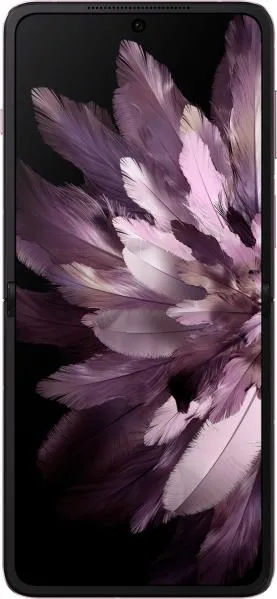
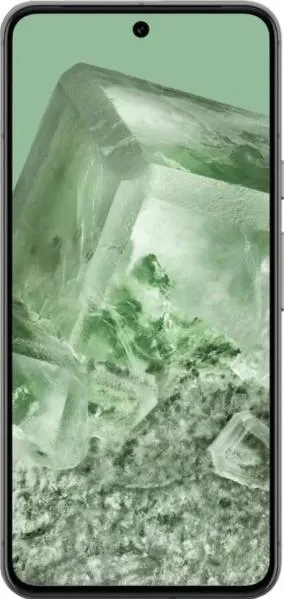
| Form Factor | Foldable | Standard | Foldable design offers portability and a larger screen in a compact body; Pixel 8 offers a traditional smartphone experience. |
| Dimensions (mm) | 166.4 x 75.8 x 7.8 (unfolded) | 150.5 x 70.8 x 8.9 | N3 Flip is more compact when folded but thicker; Pixel 8 is thinner overall but larger when held. |
| Weight (g) | 198 | 187 | Negligible weight difference in practical usage. |
| Display | |||
| Display Type | Foldable LTPO AMOLED | OLED | Foldable screen allows for different usage modes; Pixel 8 has a standard flat display. |
| Size (inches) | 6.8 | 6.2 | Larger display on N3 Flip provides more screen real estate for multitasking and media consumption; Pixel 8's smaller display enhances one-handed usability. |
| Resolution | 1080 x 2520 | 1080 x 2400 | Similar sharpness due to comparable pixel densities; N3 Flip's taller aspect ratio is better for reading and some apps, while Pixel 8's is closer to the cinematic standard. |
| Refresh Rate (Hz) | 120 | 120 | Both offer smooth scrolling and animations. |
| Peak Brightness (nits) | 1600 | 2000 | Pixel 8's higher peak brightness offers better visibility in direct sunlight. |
| Performance | |||
| Chipset | Mediatek Dimensity 9200 (4nm) | Google Tensor G3 (4nm) | Both are high-performance chipsets; real-world performance differences might be subtle and depend on specific tasks and optimizations. Tensor G3 is AI focused. |
| CPU | Octa-core (1x3.05 GHz Cortex-X3...) | Nona-core (1x3.0 GHz...) | Core configuration differences may lead to minor performance variations in specific workloads. More cores on the Tensor G3 could, theoretically, handle background tasks better. |
| GPU | Immortalis-G715 MC11 | Immortalis-G715s MC10 | Minor GPU differences likely result in negligible real-world gaming performance variations; MC11 on the N3 Flip potentially has a slight edge in graphics processing. |
| RAM | 12GB | 8GB | N3 Flip's larger RAM enables better multitasking and app retention. |
| Storage | 512GB | 256GB | N3 Flip offers double the storage. |
| Battery | |||
| Capacity (mAh) | 4300 | 4575 | Pixel 8 has a slightly larger battery capacity, but real-world battery life depends on usage patterns and software optimization. Foldables typically consume more battery. |
| Other | |||
| OS | Android 13 | Android 14 | Pixel 8 launches with the latest Android version and will likely receive longer software updates. |
| USB | USB Type-C 2.0 | USB Type-C 3.2 | Pixel 8's USB 3.2 offers significantly faster data transfer speeds. |
| Video Capabilities | Up to 4K@30fps | Up to 4K@60fps +OIS/EIS | Pixel 8 offers higher resolution and frame rate video recording with optical and electronic image stabilization for smoother footage. We lack camera details to compare further. |
2. Key Differences Analysis
Oppo Find N3 Flip Advantages:
- Foldable Design: Offers a unique form factor for portability and a larger screen when needed.
- Larger RAM and Storage: Provides smoother multitasking and ample space for files and apps.
Google Pixel 8 Advantages:
- Latest Android Version & Updates: Ensures access to new features and security patches for a longer period.
- Brighter Display: Improves outdoor visibility.
- Faster Data Transfer: USB 3.2 enables quicker file transfers.
- Superior Video Recording: Offers higher resolution, frame rates, and stabilization.
- Potentially Longer Battery Life: Larger battery and Google's software optimization could result in better battery endurance.
Trade-offs:
- Foldability vs. Durability: N3 Flip's foldable design may raise concerns about long-term durability compared to the Pixel 8's traditional build.
- Software Updates: N3 Flip may receive fewer Android OS updates than the Pixel 8.
3. User Profiles & Recommendations
Oppo Find N3 Flip: Ideal for users who prioritize portability and a large screen in a compact device, value a unique form factor, and need ample RAM and storage. Suitable for heavy multitaskers, content consumers, and those who want a stylish and innovative device.
Google Pixel 8: Best suited for users who prioritize the latest software, long-term updates, a bright display, fast data transfer, and excellent camera capabilities. Ideal for those who value a clean Android experience, timely updates, and capturing high-quality photos and videos.
4. Decision Framework
Key Questions for Buyers:
- Form Factor Preference: Do you prioritize a foldable design for portability and a larger screen, or a traditional smartphone form factor?
- Software & Updates: How important are the latest Android features, timely security updates, and long-term software support?
- Camera Needs: How crucial are high-quality video recording capabilities and advanced camera features?
My Choice: Google Pixel 8
While the Oppo Find N3 Flip's foldable design and larger RAM/storage are appealing, the Google Pixel 8's longer software support, brighter display, superior video capabilities, faster data transfer, and potential for longer battery life make it a more compelling choice for me. I prioritize a stable and up-to-date software experience, a good camera, and reliable performance. The Pixel's cleaner Android experience and Google's commitment to updates align better with my needs. While the foldable form factor is intriguing, I am not convinced its benefits outweigh the potential durability concerns and shorter software update cycle for my personal use.
