1. Specifications Comparison
| Feature | Oppo Find N3 Flip | Asus ROG Phone 8 Pro | Practical Impact |
|---|---|---|---|
| Design | |||
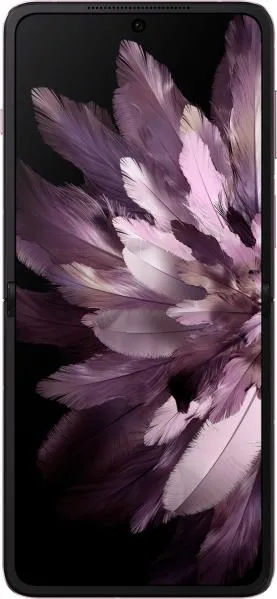
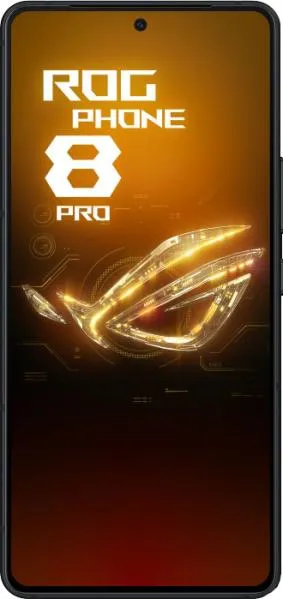
| Dimensions | 166.4 x 75.8 x 7.8 mm (folded) | 163.8 x 76.8 x 8.9 mm | The Find N3 Flip is significantly more compact when folded, enhancing portability. The ROG Phone 8 Pro is thicker and heavier. |
| Weight | 198g | 225g | The Find N3 Flip is noticeably lighter, reducing hand fatigue during extended use. |
| Foldable | Yes | No | The Find N3 Flip offers the flexibility of a foldable screen for compact storage and unique use cases. |
| Display | |||
| Size | 6.8" | 6.78" | Negligible difference in screen real estate. |
| Type | Foldable LTPO AMOLED | LTPO AMOLED | The Find N3 Flip's foldable display allows for different form factors and potential software adaptations. |
| Refresh Rate | 120Hz | 165Hz | The ROG Phone 8 Pro offers a smoother visual experience, especially in fast-paced games, though the difference between 120Hz and 165Hz might not be perceptible to all users. |
| Peak Brightness | 1600 nits (typical), 2500 nits (peak) | 1600 nits (typical), 2500 nits (peak) | Both offer excellent outdoor visibility, but the higher peak brightness on the ROG Phone 8 Pro might provide a slight edge in direct sunlight. |
| Resolution | 1080 x 2520 | 1080 x 2400 | Comparable sharpness; the slightly taller aspect ratio on the Find N3 Flip might be better for reading. |
| Performance | |||
| Chipset | Mediatek Dimensity 9200 (4nm) | Qualcomm Snapdragon 8 Gen 3 (4nm) | The Snapdragon 8 Gen 3 is generally considered more powerful, offering potentially better gaming and multitasking performance. |
| CPU | Octa-core (1x3.05 GHz Cortex-X3 & 3x2.85 GHz Cortex-A715 & 4x1.80 GHz Cortex-A510) | Octa-core (1x3.3 GHz Cortex-X4 & 3x3.2 GHz Cortex-A720 & 2x3.0 GHz Cortex-A720 & 2x2.3 GHz Cortex-A520) | The ROG Phone 8 Pro likely has a performance advantage due to its newer CPU architecture. |
| GPU | Immortalis-G715 MC11 | Adreno 750 | The Adreno 750 in the ROG Phone 8 Pro generally delivers superior graphics performance, beneficial for demanding games and graphical applications. |
| RAM | 12GB | 24GB | The ROG Phone 8 Pro's significantly larger RAM enables superior multitasking and smoother performance with memory-intensive applications. |
| Storage | 512GB | 1000GB | The ROG Phone 8 Pro offers double the storage, catering to users with extensive media libraries or large game installations. |
| Battery | |||
| Capacity | 4300 mAh | 6000 mAh | The ROG Phone 8 Pro offers significantly longer battery life. |
| Camera | |||
| Video Capabilities | Up to 4K@30fps | Up to 8K@24fps | The ROG Phone 8 Pro offers higher resolution video recording capabilities. Specific sensor details and image quality are not provided, limiting a comprehensive comparison. |
2. Key Differences Analysis
Oppo Find N3 Flip Advantages:
- Portability: Significantly more compact when folded.
- Unique User Experience: Foldable design offers novel interaction possibilities.
Asus ROG Phone 8 Pro Advantages:
- Performance: More powerful CPU and GPU for demanding tasks and gaming.
- Higher Refresh Rate: Smoother visuals for gaming and scrolling.
- Larger Battery: Significantly longer battery life.
- More Storage: Accommodates large files and applications.
- Higher Resolution Video Recording: Captures more detailed videos.
3. User Profiles & Recommendations
Oppo Find N3 Flip: Ideal for users prioritizing portability and a unique foldable form factor. Suitable for social media, content consumption on the go, and users who value compact devices.
Asus ROG Phone 8 Pro: Ideal for power users, mobile gamers, and content creators who demand top-tier performance, long battery life, and ample storage.
4. Decision Framework
Key Questions for Buyers:
- Is portability a top priority? If yes, the Find N3 Flip's foldable design is a strong contender.
- What are your primary use cases? For demanding gaming and content creation, the ROG Phone 8 Pro's performance is crucial. For everyday tasks and social media, both phones are sufficient, but the Find N3 Flip offers a more compact form factor.
- What is your budget? While both are in the "medium price" range, the specific prices need to be considered to determine the best value.
My Choice: Asus ROG Phone 8 Pro
While I appreciate the innovative design and portability of the Oppo Find N3 Flip, the Asus ROG Phone 8 Pro better suits my needs. As someone who values performance, a long-lasting battery, and ample storage for productivity and occasional gaming, the ROG Phone 8 Pro's superior specifications in these areas are compelling. The significantly larger battery and doubled storage are significant advantages for my usage patterns. While the Find N3 Flip's foldable design is intriguing, the performance benefits and larger screen of the ROG Phone 8 Pro outweigh the portability advantage for me personally. The higher refresh rate, while not a deciding factor, is a welcome bonus.
