1. Specifications Comparison
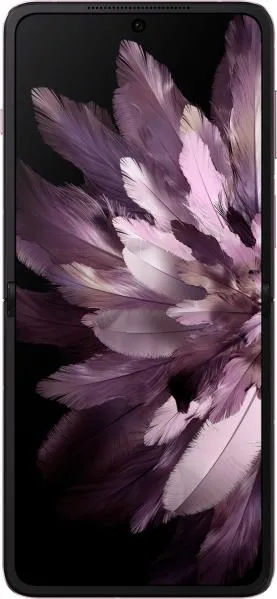
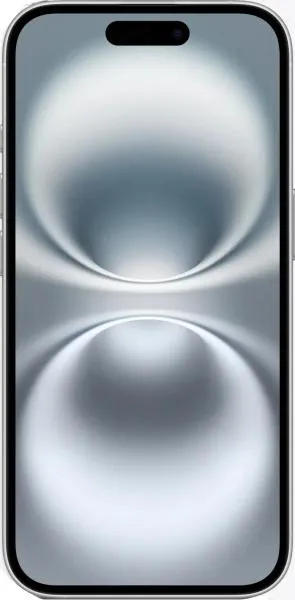
| Feature | Oppo Find N3 Flip | Apple iPhone 16 | Practical Impact |
|---|---|---|---|
| Design | |||
| Dimensions | 166.4 x 75.8 x 7.8 mm (unfolded) | 147.6 x 71.6 x 7.8 mm | Find N3 Flip is significantly larger unfolded, but more compact when folded. iPhone 16 is easier to pocket in its standard form. |
| Weight | 198g | 170g | Find N3 Flip is noticeably heavier. |
| Foldable | Yes | No | Find N3 Flip offers greater versatility with its foldable screen for compact portability and a larger display when needed. |
| Display | |||
| Size | 6.8" | 6.1" | Larger display on Find N3 Flip provides more immersive content consumption. |
| Type | Foldable LTPO AMOLED | Super Retina XDR OLED | Both offer excellent color accuracy and deep blacks. LTPO allows for dynamic refresh rate adjustment, potentially saving battery on the Find N3 Flip. |
| Resolution | 1080 x 2520 | 1179 x 2556 | Similar pixel density (Find N3 Flip: 403 ppi, iPhone 16: 460 ppi), resulting in sharp visuals on both. Slightly higher resolution on iPhone 16. |
| Refresh Rate | 120Hz | Not specified | 120Hz on Find N3 Flip delivers smoother animations and scrolling. Unknown refresh rate on iPhone 16 limits comparison, but likely lower than 120Hz. |
| Peak Brightness | 1600 nits | Not specified | Find N3 Flip should offer better visibility in direct sunlight. Missing peak brightness for iPhone 16 limits a direct comparison. |
| Performance | |||
| Chipset | Mediatek Dimensity 9200 (4nm) | Apple A18 (3nm) | A18 is likely to outperform the Dimensity 9200, especially in graphics-intensive tasks, given Apple's historical chip performance. |
| CPU | Octa-core | Hexa-core | Both offer powerful CPUs, but architectural differences make direct core count comparisons less meaningful. Real-world performance depends on optimization. |
| GPU | Immortalis-G715 MC11 | Apple GPU (5-core graphics) | Apple's custom GPUs generally offer superior performance. More details on the Apple GPU are needed for a complete analysis. |
| RAM | 12GB | 8GB | Find N3 Flip offers more RAM, potentially enabling better multitasking and smoother performance with demanding applications. |
| Storage | 512GB | 256GB/512GB | Both offer ample storage. iPhone 16 offering a 256 GB option provides more affordability choices. |
| Battery | |||
| Capacity | 4300 mAh | 3561 mAh | Find N3 Flip has a significantly larger battery capacity, potentially leading to longer battery life. However, the larger display might offset this advantage. |
| Camera | |||
| Video Capabilities | Up to 4K@30fps | Up to 4K@60fps (HDR) | iPhone 16 offers higher resolution and frame rate video recording capabilities along with HDR support, potentially resulting in superior video quality. |
2. Key Differences Analysis
Oppo Find N3 Flip Advantages:
- Foldable Design: Offers flexibility for portability and larger screen real estate.
- Larger Battery: Potentially longer battery life.
- Higher RAM: Smoother multitasking and performance.
- Higher Refresh Rate: Smoother scrolling and animations.
Apple iPhone 16 Advantages:
- Likely Superior Performance: Apple's A18 chip generally outperforms competitors.
- Superior Video Recording: Higher resolution and frame rate with HDR.
- Lighter and More Pocketable (when unfolded): Easier to carry and use one-handed.
- Potentially Better Software/Ecosystem Integration: iOS offers a tightly controlled and optimized ecosystem.
3. User Profiles & Recommendations
Oppo Find N3 Flip: Users who value portability and a large screen, multitask frequently, and prioritize battery life over raw performance. Ideal for content consumption, social media, and on-the-go productivity.
Apple iPhone 16: Users prioritizing performance, high-quality video recording, and a seamless iOS experience. Ideal for gaming, content creation, and users heavily invested in the Apple ecosystem.
4. Decision Framework
Key Questions for Buyers:
- How important is portability versus screen size? A foldable phone offers a compromise, but a traditional smartphone is easier to pocket.
- What is your budget and storage needs? Both phones are in the medium price range but offer different storage options.
- Which operating system and ecosystem do you prefer? Android offers more customization, while iOS is known for its simplicity and tight integration.
My Choice: Apple iPhone 16
While the Oppo Find N3 Flip's foldable design and larger battery are compelling, I would choose the Apple iPhone 16. My decision is primarily driven by the anticipated superior performance of the A18 chip and the better video recording capabilities. As someone who values a smooth user experience, especially for gaming and occasional content creation, the expected performance advantage of the iPhone 16 outweighs the benefits of a foldable screen. Additionally, I prefer the iOS ecosystem. While the Find N3 Flip's larger battery is attractive, I'm willing to potentially sacrifice some battery life for the performance gains and generally excellent power optimization in iOS. The lack of specific refresh rate information for the iPhone 16 is a concern, but historical trends suggest it will likely be a standard 60Hz panel.
