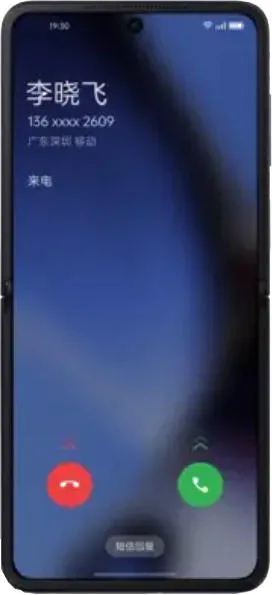
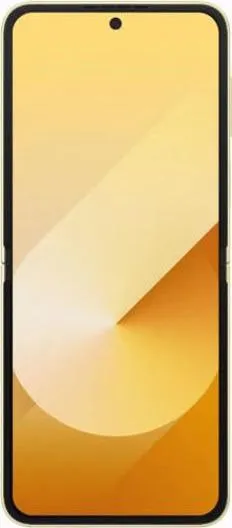
Oppo Find N2 Flip vs. Samsung Galaxy Z Flip6: A Folding Phone Face-Off
The foldable phone arena is heating up, with the Oppo Find N2 Flip and Samsung Galaxy Z Flip6 vying for your attention. As a tech journalist with an engineering background, I'll dissect these devices, translating specs into real-world experiences to help you choose the right fold for your needs.
1. Specifications Breakdown
| Feature | Oppo Find N2 Flip | Samsung Galaxy Z Flip6 | Real-World Implications |
|---|---|---|---|
| Design | |||
| Dimensions (mm) | 166.2 x 75.2 x 7.5 | 165.1 x 71.9 x 6.9 | Z Flip6 is slightly more compact, potentially pocketable. |
| Weight (g) | 191 | 187 | Negligible difference in weight; both feel substantial. |
| Display | |||
| Size (inches) | 6.8 | 6.7 | Virtually identical main screen sizes. |
| Resolution (px) | 1080 x 2520 | 1080 x 2640 | Z Flip6 has a slightly taller aspect ratio, offering more vertical content. |
| Type | LTPO AMOLED | Dynamic AMOLED 2X | Both offer vibrant colors and deep blacks; Z Flip6's "Dynamic" suggests potential power efficiency gains. |
| Refresh Rate (Hz) | 120 | 120 | Smooth scrolling and animations on both. |
| Performance | |||
| Chipset | Dimensity 9000+ | Snapdragon 8 Gen 3 | 8 Gen 3 likely offers a performance advantage, especially in graphics-intensive tasks. |
| CPU | Octa-core | Octa-core | Both are powerful, but architectural differences favor the 8 Gen 3 for sustained performance. |
| RAM (GB) | 8 | 12 | Z Flip6's larger RAM enables better multitasking and app retention. |
| Camera | |||
| Main Camera (MP) | 50 | 50 | Comparable resolution; image quality will depend on sensor and processing. |
| Selfie Camera (MP) | 32 | 10 | Find N2 Flip boasts a higher resolution selfie camera. |
| Battery Life | |||
| Capacity (mAh) | 4300 | 4000 | Find N2 Flip has a larger battery, potentially leading to longer usage time. |
2. Key Insights
- Performance: The Z Flip6, with its newer Snapdragon 8 Gen 3 and more RAM, will likely outperform the Find N2 Flip, especially in demanding applications and gaming.
- Display: Both phones deliver excellent displays, but the Z Flip6 might offer slightly better power efficiency due to its Dynamic AMOLED 2X technology.
- Camera: While both have 50MP main cameras, real-world image quality will depend on factors beyond resolution. The Find N2 Flip's significantly higher-resolution selfie camera is a notable advantage for video calls and self-portraits. The Z Flip 6 has optical image stabilization which is a big plus.
- Battery Life: The Find N2 Flip's larger battery capacity suggests longer endurance, but real-world usage will vary.
3. User Profiles and Recommendations
- Power User: The Galaxy Z Flip6, with its superior performance and larger RAM, is ideal for users who demand the best in speed and multitasking.
- Selfie Enthusiast/Vlogger: The Find N2 Flip's 32MP front-facing camera is a compelling choice for those who prioritize high-quality self-portraits and video calls.
- Battery Life Champion: Users who value all-day battery life without frequent charging might prefer the Find N2 Flip due to its larger battery.
4. Buying Decision Framework
- What's your performance priority? Demanding tasks and gaming? Choose the Z Flip6. Everyday use? Either phone will suffice.
- How important is selfie quality? Frequent video calls or self-portraits? The Find N2 Flip is the clear winner.
- What's your budget? While both are in the "medium price" range, specific pricing and available deals will influence the final decision.
My Choice: Samsung Galaxy Z Flip6
While the Oppo Find N2 Flip offers a compelling combination of features, I'd choose the Samsung Galaxy Z Flip6. The newer, more powerful Snapdragon 8 Gen 3, coupled with 12GB of RAM, ensures a smooth and future-proof experience. The improved software experience offered by Samsung, along with likely longer software support, also factors into my decision. Though the Find N2 Flip has a larger battery and front-facing camera, the overall performance and ecosystem advantages of the Z Flip6 ultimately sway me. The Z Flip 6 also brings optical image stabilization to the table which is a big deal for video and photos. Having that extra memory is very useful in the long run as more apps require it.
