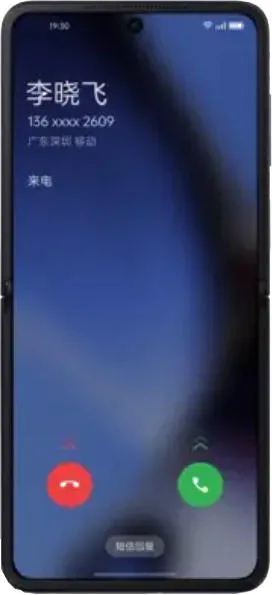
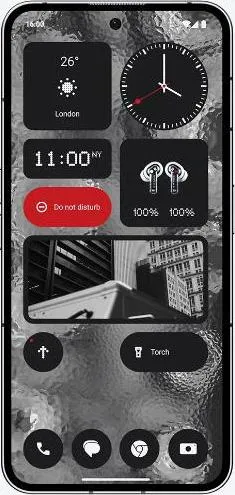
Let's dive into a comparative analysis of the Oppo Find N2 Flip and the Nothing Phone (2), dissecting their technical specifications and translating them into real-world implications for you.
1. Specifications Breakdown
| Feature | Oppo Find N2 Flip | Nothing Phone (2) | Real-World Implications |
|---|---|---|---|
| Design | |||
| Dimensions (mm) | 166.2 x 75.2 x 7.5 | 162.1 x 76.4 x 8.6 | N2 Flip is more compact when folded, but slightly thicker unfolded. Nothing Phone (2) is taller. |
| Weight (g) | 191 | 201.2 | N2 Flip is noticeably lighter, crucial for pocket comfort. |
| Foldable | Yes | No | N2 Flip offers unique portability and a smaller footprint when closed. |
| Display | |||
| Type | Foldable AMOLED | LTPO OLED | Both offer vibrant colors and deep blacks. LTPO on Nothing allows for more granular refresh rate. |
| Size (inches) | 6.8 | 6.7 | Negligible size difference in actual usage. |
| Resolution (px) | 1080 x 2520 | 1080 x 2412 | Similar sharpness; N2 Flip slightly taller aspect ratio. |
| Refresh Rate (Hz) | 120 | 120 | Both offer smooth scrolling and animations. |
| Performance | |||
| Chipset | Dimensity 9000+ | Snapdragon 8+ Gen 1 | Both are high-end chips, but Snapdragon 8+ Gen 1 generally benchmarks slightly higher. |
| CPU | Octa-core | Octa-core | Comparable multi-core performance, minor differences in clock speeds. |
| GPU | Mali-G710 MC10 | Adreno 730 | Adreno 730 typically delivers stronger gaming performance. |
| RAM | 8GB | 8/12GB | Nothing offers a 12GB RAM option for more demanding multitasking. |
| Camera | |||
| Main Camera (MP) | 50 | 50 | Both use the Sony IMX890 sensor, promising excellent image quality. |
| Ultrawide (MP) | 8 | 50 | Nothing Phone (2) boasts a significantly higher resolution ultrawide. |
| Selfie (MP) | 32 | 32 | Comparable selfie camera resolution. |
| Battery Life | |||
| Capacity (mAh) | 4300 | 4700 | Nothing Phone (2) has a larger battery, potentially leading to longer usage time. |
2. Key Insights
Form Factor: The most significant difference lies in the foldable design of the N2 Flip. This makes it incredibly compact for pocketability but introduces a crease on the main display. The Nothing Phone (2) offers a more traditional, sleek slab design.
Performance: While both phones boast powerful processors, the Snapdragon 8+ Gen 1 in the Nothing Phone (2) and its Adreno 730 GPU generally edge out the Dimensity 9000+ in benchmarks, particularly in graphics-intensive tasks like gaming. The 12GB RAM option on the Nothing Phone (2) further enhances its multitasking capabilities.
Camera System: Both phones share the same impressive primary sensor, the Sony IMX890. However, the Nothing Phone (2) pulls ahead with its high-resolution 50MP ultrawide camera, offering significantly more detail and versatility compared to the 8MP ultrawide on the N2 Flip.
Battery: The Nothing Phone (2)'s 4700mAh battery provides a larger capacity than the N2 Flip's 4300mAh battery, likely translating to longer usage time on a single charge.
3. User Profiles and Recommendations
Oppo Find N2 Flip: Ideal for users who prioritize portability and compactness above all else. The foldable design is a genuine innovation for those constantly on the move.
Nothing Phone (2): Best suited for users who value a traditional smartphone experience with top-tier performance, a superior camera system (especially ultrawide), and longer battery life. Gamers and heavy multitaskers will also appreciate the available 12GB RAM option.
4. Buying Decision Framework
Portability vs. Traditional Design: Is ultimate pocketability a must-have, or do you prefer a standard smartphone form factor?
Camera Needs: How important is ultrawide camera quality? If capturing wide shots with high detail is crucial, the Nothing Phone (2) is the clear winner.
Performance Priorities: Are you a heavy gamer or multitasker? The Nothing Phone (2)'s slightly more powerful processor and larger RAM option might be more suitable.
My Choice
Personally, I would choose the Nothing Phone (2). While I appreciate the innovative design of the N2 Flip, my priorities lie in a well-rounded, high-performance device with a strong camera system. The Nothing Phone (2)'s superior ultrawide camera, larger battery, and the option for 12GB of RAM make it a more compelling overall package for my needs. The slightly larger size is a trade-off I'm willing to make for the added benefits. The improved performance and camera versatility align better with my daily usage, which involves content creation, multitasking, and occasional gaming.
