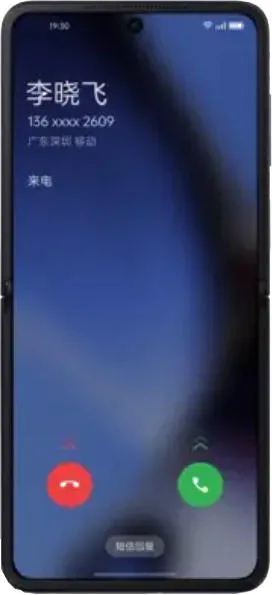
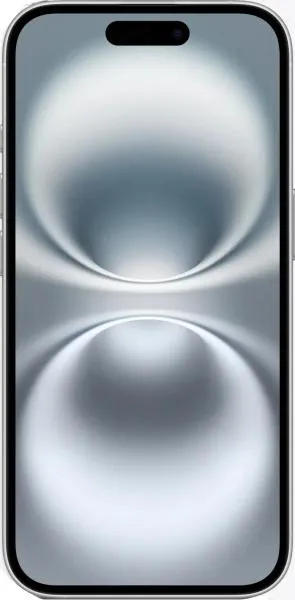
Let's dive into a comparative analysis of the Oppo Find N2 Flip and the Apple iPhone 16, dissecting their specifications and uncovering what they truly offer users in the real world.
1. Specifications Breakdown
| Feature | Oppo Find N2 Flip | Apple iPhone 16 | Real-World Implications |
|---|---|---|---|
| Design | |||
| Form Factor | Foldable | Slab | Find N2 Flip offers portability and a unique form factor; iPhone 16 provides a classic, familiar design. |
| Dimensions (mm) | 166.2 x 75.2 x 7.5 | 147.6 x 71.6 x 7.8 | Find N2 Flip is taller and wider unfolded, significantly more compact when folded. iPhone 16 is thinner. |
| Weight (g) | 191 | 170 | Find N2 Flip feels more substantial; iPhone 16 is lighter for everyday carry. |
| Display | |||
| Size (inches) | 6.8 | 6.1 | Find N2 Flip boasts a larger screen for immersive content consumption. |
| Resolution (px) | 1080 x 2520 | 1179 x 2556 | Both offer sharp visuals; iPhone 16 has a slightly higher pixel density. |
| Type | Foldable AMOLED | Super Retina XDR OLED | Find N2 Flip's folding screen introduces a crease but allows for compact storage; iPhone 16's display is known for its vibrant colors and high brightness. |
| Refresh Rate (Hz) | 120 | (Unspecified) | Find N2 Flip's 120Hz offers smoother scrolling and animations; Unspecified refresh rate on iPhone 16 could indicate a standard 60Hz. |
| Performance | |||
| Chipset | Dimensity 9000+ | Apple A18 | A18 is expected to outperform the Dimensity 9000+, providing faster processing and graphics. |
| CPU | Octa-core | Hexa-core | Both offer powerful multi-core performance; core architecture differences may impact specific tasks. |
| RAM (GB) | 8 | 8 | Both have sufficient RAM for multitasking; real-world performance depends on software optimization. |
| OS | Android 13 | iOS 18 | Different operating systems cater to different user preferences and ecosystem loyalties. |
| Camera | |||
| Main Camera (MP) | 50 | 48 | Similar resolution; sensor size, aperture, and processing will determine image quality differences. |
| Selfie Camera (MP) | 32 | 12 | Find N2 Flip boasts a higher resolution selfie camera. |
| Battery Life | |||
| Capacity (mAh) | 4300 | 3561 | Find N2 Flip has a significantly larger battery, potentially leading to longer usage time. |
2. Key Insights
- Form Factor Revolution: The Find N2 Flip's foldable design is its defining feature. This allows for a large screen experience in a pocketable device, addressing a key pain point of large-screen phones. However, the crease in the folding display might be noticeable to some users. The iPhone 16 sticks with the tried-and-true slab design, refined over years of iteration.
- Performance Powerhouse: While the Dimensity 9000+ is a capable processor, the Apple A18, built on a newer 3nm process, is anticipated to deliver a significant performance advantage in terms of speed, efficiency, and graphics processing. This translates to smoother gaming, faster app loading, and enhanced capabilities in demanding tasks like video editing.
- Operating System Ecosystems: The choice between Android and iOS often comes down to personal preference and ecosystem lock-in. Android offers greater customization and flexibility, while iOS is known for its simplicity, tight integration, and focus on privacy.
- Camera Comparisons: Megapixel counts don't tell the whole story. While both phones have high-resolution main cameras, real-world image quality will depend on factors like sensor size, aperture, and image processing algorithms. The Find N2 Flip's higher-resolution selfie camera might appeal to those who prioritize front-facing photography. The iPhone traditionally excels in video recording, and with advancements in the A18 chip, the iPhone 16 is likely to continue this trend.
- Battery Endurance: The Find N2 Flip's larger battery capacity suggests a potential advantage in battery life. However, real-world usage will vary depending on individual usage patterns and software optimization. Apple's tight integration of hardware and software often allows for impressive battery life despite smaller battery capacities.
3. User Profiles and Recommendations
- Find N2 Flip: Ideal for users who prioritize portability and a large screen, are comfortable with Android, and value a unique form factor. Content consumers, social media enthusiasts, and those seeking a compact yet powerful device would find this appealing.
- iPhone 16: Best suited for users entrenched in the Apple ecosystem, prioritizing performance, app quality, and a seamless user experience. Those who value a refined, familiar design and prioritize gaming, photography, or demanding tasks will likely prefer the iPhone 16.
4. Buying Decision Framework
- Are you seeking a cutting-edge, compact design, or a familiar, refined experience? If portability and a large, foldable screen are paramount, lean towards the Find N2 Flip. If you prefer a classic slab phone with a proven track record, the iPhone 16 is a strong contender.
- Which operating system ecosystem do you prefer? Your choice between Android and iOS will largely depend on your familiarity, app preferences, and customization needs.
- What is your budget and how important is raw performance? The iPhone 16, with its expectedly more powerful A18 chip, will likely command a higher price. If top-tier performance is crucial, and budget allows, the iPhone 16 might be worth the premium. If value and a unique form factor are more important, the Find N2 Flip offers a compelling alternative.
My Choice: As a tech journalist with an engineering background, I appreciate innovation and pushing boundaries. While I acknowledge the expected performance advantages of the iPhone 16, I would personally choose the Oppo Find N2 Flip. The foldable form factor is a genuine game-changer in terms of portability and usability, offering a large-screen experience without the bulk. The larger battery capacity is also appealing. The trade-offs in raw processing power are acceptable to me, given the unique benefits of the foldable design and the substantial price difference. The Find N2 Flip represents a compelling blend of innovation, practicality, and value.
