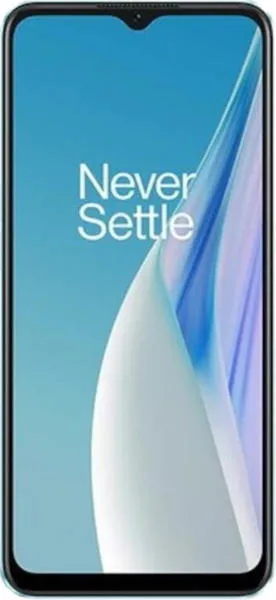
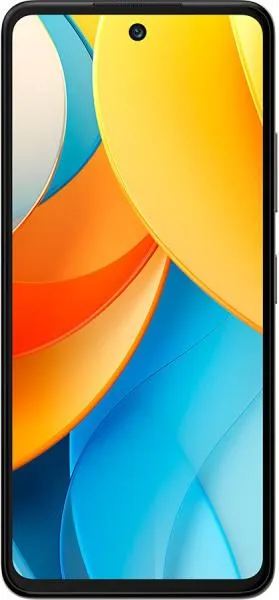
OnePlus Nord N20 SE vs. ZTE Blade V60 Design: A Practical Comparison
Let's dive into a head-to-head comparison of the OnePlus Nord N20 SE and the ZTE Blade V60 Design, dissecting their specifications and uncovering what they truly offer in terms of real-world performance.
1. Specifications Breakdown
| Feature | OnePlus Nord N20 SE | ZTE Blade V60 Design | Real-World Implications |
|---|---|---|---|
| Design | |||
| Dimensions (mm) | 163.8 x 75 x 8 | 164.2 x 75.3 x 8.6 | V60 Design slightly larger and thicker. Negligible difference in hand feel for most users. |
| Weight (g) | 187 | 198 | N20 SE noticeably lighter, reducing hand fatigue during extended use. |
| Build Materials | Plastic | Plastic | Both offer similar durability and feel. Case usage recommended for both. |
| Display | |||
| Size (inches) | 6.56 | 6.6 | Virtually identical screen real estate. |
| Resolution | 720 x 1612 | 720 x 1612 | Identical resolution; expect similar sharpness. Not the sharpest displays on the market. |
| Refresh Rate | 60Hz | 90Hz | V60 Design's 90Hz provides smoother scrolling and animations, a tangible improvement in daily use. |
| Type | IPS LCD | IPS LCD | Both offer good color reproduction and viewing angles, typical of IPS LCD technology. |
| Performance | |||
| Chipset | Helio G35 | Unisoc T606 | T606 generally performs better in benchmarks, offering a smoother experience for multitasking and light gaming. |
| CPU | Octa-core | Octa-core | Both have similar CPU configurations, but architectural differences favor the T606. |
| RAM | 4GB | 6GB | V60 Design's 6GB RAM enables better multitasking and app switching, reducing lag. |
| Storage | up to 128GB | up to 256GB | V60 Design offers significantly more storage for apps, photos, and videos. |
| Camera | |||
| Main Camera | 50MP | 50MP | Similar main camera resolution, but image quality will depend on sensor and processing. V60 Design has an extra 0.3MP lens, functionality unknown. |
| Front Camera | 8MP | 8MP | Comparable front-facing cameras for selfies and video calls. |
| Battery | |||
| Capacity | 5000mAh | 5000mAh | Identical battery capacities, expect similar battery life depending on usage. |
| Charging | 33W Fast Charging | 22.5W Fast Charging | N20 SE charges significantly faster, minimizing downtime. |
| Other | |||
| NFC | No | Yes | V60 Design supports contactless payments and data transfer via NFC. |
| OS | Android 12 | Android 13 | V60 Design ships with a newer Android version, potentially offering more features and longer software support. |
2. Key Insights
The ZTE Blade V60 Design pulls ahead in key areas: a smoother 90Hz display, a more powerful processor (Unisoc T606), more RAM (6GB), significantly larger storage options (up to 256GB), NFC functionality, and a newer Android OS (13). The OnePlus Nord N20 SE's advantages lie in its lighter weight and significantly faster charging speed (33W).
3. User Profiles and Recommendations
OnePlus Nord N20 SE: Best suited for budget-conscious users who prioritize faster charging and a lightweight device. Ideal for basic tasks like calling, texting, browsing, and social media. Less demanding gamers may also find it acceptable given the price point.
ZTE Blade V60 Design: Better suited for users who value a smoother display experience, better multitasking performance, and more storage. Its NFC capability is a bonus for contactless payments. Good choice for those who consume media, multitask frequently, and want a future-proof device with a newer OS.
4. Buying Decision Framework
- Is a smooth display experience a priority? If yes, the V60 Design's 90Hz refresh rate is a significant advantage.
- Do you need ample storage for apps and media? If yes, the V60 Design's 256GB option offers far more space.
- Is NFC crucial for contactless payments? If yes, the V60 Design is the only option.
My Choice: ZTE Blade V60 Design
While the OnePlus Nord N20 SE offers faster charging and a slightly lighter build, the ZTE Blade V60 Design offers a more compelling overall package for my needs. The 90Hz display is a game-changer for daily usability, and the performance boost from the Unisoc T606, coupled with 6GB of RAM, ensures smoother multitasking. The inclusion of NFC for contactless payments and the newer Android 13 OS further solidify its value proposition. While 22.5W charging isn't the fastest, it's still reasonably quick, and the trade-off for the other advantages is well worth it in my opinion. The much larger storage options available on the V60 Design also contribute to a more future-proof device. As someone who values performance, a fluid user experience, and having ample storage, the ZTE Blade V60 Design is the clear winner for me.
