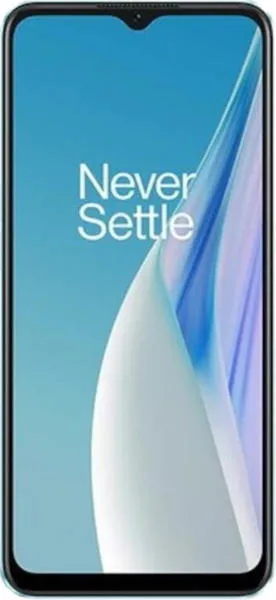
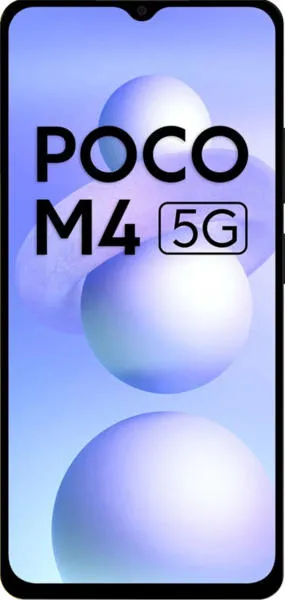
Let's dive into a comparative analysis of the OnePlus Nord N20 SE and the Xiaomi Poco M4 5G, dissecting their specifications and translating them into real-world implications for you.
1. Specifications Breakdown
| Feature | OnePlus Nord N20 SE | Xiaomi Poco M4 5G | Real-World Implications |
|---|---|---|---|
| Design | |||
| Dimensions (mm) | 163.8 x 75 x 8 | 164 x 76.1 x 8.9 | Poco M4 5G is slightly larger and thicker. |
| Weight (g) | 187 | 200 | Nord N20 SE feels noticeably lighter in hand. |
| Display | |||
| Size (inches) | 6.56 | 6.58 | Negligible difference in screen real estate. |
| Resolution | 720 x 1612 | 1080 x 2408 | Poco M4 5G boasts significantly sharper visuals due to Full HD+ resolution. Nord N20 SE's lower resolution might result in pixelation. |
| Refresh Rate | 60Hz (Standard) | 90Hz | Poco M4 5G offers smoother scrolling and animations thanks to its higher refresh rate. |
| Display Type | IPS LCD | IPS LCD | Both offer good color reproduction and viewing angles, typical of IPS LCDs. |
| Performance | |||
| Chipset | Helio G35 | Dimensity 700 | Dimensity 700 offers superior CPU and GPU performance, leading to faster app loading, smoother multitasking, and better gaming capabilities. |
| CPU | Octa-core (4x2.3 GHz Cortex-A53 & 4x1.8 GHz Cortex-A53) | Octa-core (2x2.2 GHz Cortex-A76 & 6x2.0 GHz Cortex-A55) | Poco M4 5G's CPU architecture is more powerful and efficient, providing a noticeable performance advantage in demanding tasks. |
| RAM | 4GB | 4/6GB | Both offer decent RAM for multitasking, but the 6GB option on the Poco M4 5G provides more headroom for demanding apps and games. |
| Camera | |||
| Main Camera | 50MP | 50MP (wide) + 2MP(depth) | While both have 50MP main sensors, image quality will depend on sensor size, processing, and software. The Poco M4 5G also offers a dedicated depth sensor for portrait mode shots. |
| Selfie Camera | 8MP | 8MP | Similar selfie camera resolution. |
| Battery Life | |||
| Capacity | 5000mAh | 5000mAh | Both have large batteries, promising all-day battery life. |
| Fast Charging | 33W | 18W | Nord N20 SE offers significantly faster charging, minimizing downtime. |
| Other | |||
| NFC | No | Yes | Poco M4 5G supports contactless payments and data transfer via NFC. |
2. Key Insights
The Xiaomi Poco M4 5G emerges as the stronger contender in terms of performance, display, and features. Its Dimensity 700 chipset, higher resolution display with a 90Hz refresh rate, and NFC functionality provide a more compelling overall package.
The OnePlus Nord N20 SE, however, shines in its lighter weight and significantly faster charging speed. It's a good option for users who prioritize a lightweight phone and quick charging.
3. User Profiles and Recommendations
Poco M4 5G: Best suited for users who prioritize performance, a smooth display, and features like NFC. Ideal for mobile gaming, media consumption, and multitasking.
Nord N20 SE: A good choice for budget-conscious users who value a lightweight design and fast charging. Suitable for everyday tasks like social media, browsing, and casual photography. It's a good pick for those who dislike heavy phones or frequently need a quick top-up of battery.
4. Buying Decision Framework
Is a smooth, high-resolution display a priority? If yes, the Poco M4 5G's 90Hz Full HD+ display is a clear winner.
Do you need NFC for contactless payments? If this is essential, the Poco M4 5G is the only option.
How important is fast charging? If you need your phone to charge quickly, the Nord N20 SE's 33W fast charging is a major advantage.
My Choice
If I were choosing between these two phones, I'd go with the Xiaomi Poco M4 5G. While the faster charging of the Nord N20 SE is tempting, the Poco M4 5G's superior performance, sharper display with a 90Hz refresh rate, and the inclusion of NFC make it a more well-rounded device for my needs. I value a smooth and responsive user experience, and the Dimensity 700 chipset in the Poco M4 5G delivers that. The added benefit of NFC for contactless payments seals the deal for me. The slightly heavier weight and slower charging are trade-offs I'm willing to make for the overall better user experience.
