OnePlus Nord N20 SE vs. Motorola Moto G54: A Comparative Analysis
Let's dive deep into a head-to-head comparison of the OnePlus Nord N20 SE and the Motorola Moto G54, dissecting their specs and uncovering what they truly offer in real-world usage.
1. Specifications Breakdown
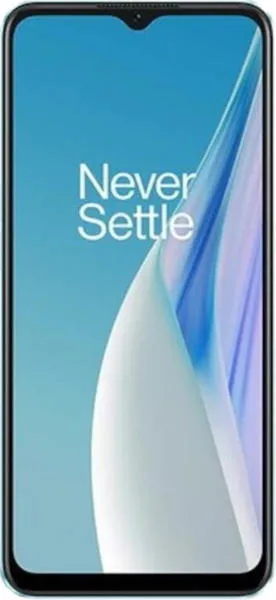
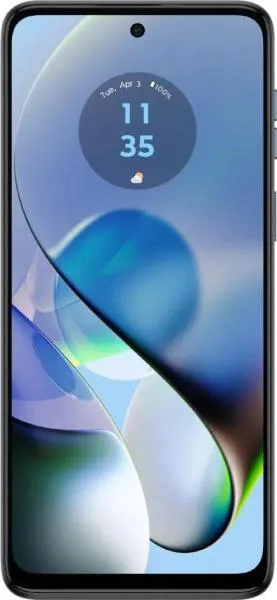
| Feature | OnePlus Nord N20 SE | Motorola Moto G54 | Real-World Implications |
|---|---|---|---|
| Design | |||
| Dimensions (mm) | 163.8 x 75 x 8 | 161.6 x 73.8 x 8 | Moto G54 is slightly more compact. Negligible difference in daily use. |
| Weight (g) | 187 | 177 | Moto G54 feels lighter in hand, enhancing one-handed usability. |
| Display | |||
| Size (inches) | 6.56 | 6.5 | Virtually identical screen real estate. |
| Resolution | 720 x 1612 | 1080 x 2400 | Moto G54 offers significantly sharper visuals, crisper text, and a more immersive media experience. |
| Refresh Rate (Hz) | 60 (Standard) | 120 | Moto G54's 120Hz display provides smoother scrolling, animations, and a more responsive feel. |
| Type | IPS LCD | IPS LCD | Both offer good color reproduction but lack the deep blacks and vibrant colors of AMOLED. |
| Performance | |||
| Chipset | Helio G35 | Dimensity 7020 | Moto G54 boasts a considerably more powerful processor, enabling smoother multitasking and gaming. |
| CPU | Octa-core (4x2.3 GHz Cortex-A53 & 4x1.8 GHz Cortex-A53) | Octa-core (2x2.2 GHz Cortex-A78 & 6x2.0 GHz Cortex-A55) | G54's CPU architecture provides a significant performance advantage. |
| RAM (GB) | 4 | 8 | Moto G54's 8GB RAM ensures seamless app switching and handling demanding tasks. |
| Camera | |||
| Main Camera (MP) | 50 | 50 | Comparable resolution, but image quality depends on sensor and processing. |
| Selfie Camera (MP) | 8 | 16 | Moto G54 offers a higher resolution selfie camera for sharper self-portraits. |
| Video | 1080p@30fps | 1080p@60fps | Moto G54 can record smoother, more detailed videos. |
| Battery Life | |||
| Capacity (mAh) | 5000 | 6000 | Moto G54 has a larger battery, potentially translating to longer usage time. |
| Charging | 33W Fast Charging | 15W Fast Charging | Nord N20 SE charges significantly faster despite the smaller battery. |
2. Key Insights
- Performance: The Moto G54 significantly outperforms the Nord N20 SE due to its superior Dimensity 7020 chipset and larger RAM. This translates to a smoother, more responsive experience in everyday tasks, gaming, and multitasking. The Nord N20 SE might show noticeable lag with demanding applications.
- Display: The Moto G54's 1080p display with a 120Hz refresh rate is a clear winner. While both use LCD technology, the G54 offers a sharper, smoother visual experience that is particularly noticeable while scrolling, gaming, and watching videos.
- Camera: While both phones feature a 50MP main camera, real-world performance will likely differ due to variations in sensor quality and image processing. The G54's higher-resolution selfie camera and 1080p@60fps video recording give it an edge for content creation.
- Battery: The G54 has a larger battery, potentially leading to longer usage time. However, the Nord N20 SE supports significantly faster charging, minimizing downtime.
3. User Profiles and Recommendations
- OnePlus Nord N20 SE: Best suited for budget-conscious users prioritizing fast charging and basic smartphone functionality. Ideal for casual users who primarily use their phones for calling, texting, social media, and light web browsing.
- Motorola Moto G54: A great option for users seeking a more well-rounded experience with better performance, display, and camera capabilities. Suitable for gamers, multitaskers, and those who consume a lot of media on their phones.
4. Buying Decision Framework
- What is your budget? The Nord N20 SE is generally more affordable.
- What are your primary phone usage patterns? For basic tasks, the Nord N20 SE suffices. For demanding tasks and media consumption, the G54 is superior.
- Which features matter most? Prioritize fast charging with the Nord N20 SE, or a smoother display, better performance, and improved camera with the Moto G54.
My Choice: I would choose the Motorola Moto G54. While the OnePlus Nord N20 SE offers faster charging and a lower price point, the Moto G54's superior performance, significantly better display, and enhanced camera make it a more compelling overall package for my needs. As someone who values a smooth user experience and enjoys mobile gaming and media consumption, the G54's Dimensity 7020 processor, 120Hz display, and larger battery capacity are decisive factors. The slightly higher price is a justifiable trade-off for the significant improvements in performance and user experience.
