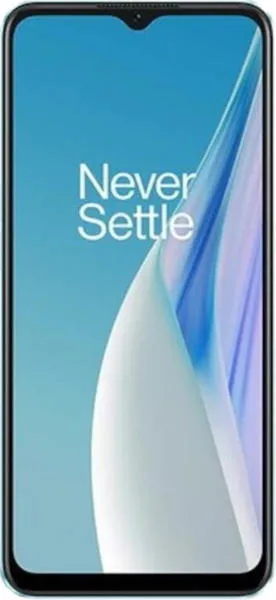
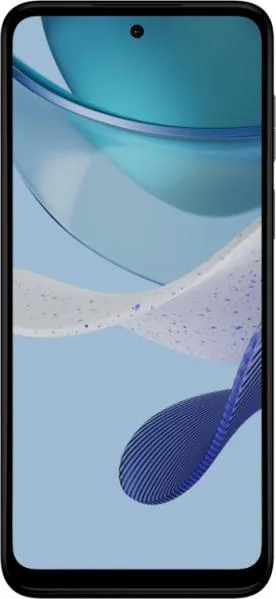
Let's dive into a comparative analysis of the OnePlus Nord N20 SE and the Motorola Moto G (2023). Both phones occupy the "medium price" range, but their subtle differences in specifications cater to distinct user needs.
1. Specifications Breakdown
| Feature | OnePlus Nord N20 SE | Motorola Moto G (2023) | Real-World Implications |
|---|---|---|---|
| Design | |||
| Dimensions (mm) | 163.8 x 75 x 8 | 164 x 75 x 8.4 | Moto G slightly thicker and heavier, but differences negligible in hand. |
| Weight (g) | 187 | 189 | Virtually identical weight; both comfortable for one-handed use. |
| Display | |||
| Size (inches) | 6.56 | 6.5 | Negligible size difference; both offer ample screen real estate. |
| Resolution (px) | 720 x 1612 | 720 x 1600 | Nearly identical resolution; expect similar sharpness. Nord N20 SE slightly taller aspect ratio. |
| Type | IPS LCD | IPS LCD | Both offer good color reproduction and viewing angles, but lack the deep blacks of OLED. |
| Refresh Rate (Hz) | 60 | 120 | Moto G's 120Hz offers significantly smoother scrolling and animations. |
| Performance | |||
| Chipset | Helio G35 | Snapdragon 480+ 5G | Moto G boasts a more powerful and efficient processor with 5G connectivity. |
| CPU | Octa-core 2.3 GHz | Octa-core 2.2 GHz | Moto G's Kryo cores offer better performance per clock cycle. |
| GPU | PowerVR GE8320 | Adreno 619 | Moto G's GPU delivers significantly improved graphics performance for gaming. |
| RAM (GB) | 4 | 4 | Both offer sufficient RAM for everyday tasks, but 4GB can feel limiting with heavy multitasking. |
| OS | Android 12 | Android 13 | Moto G comes with a newer OS version, offering potential feature and security advantages. |
| Camera | |||
| Main Camera (MP) | 50 | 48 | Both offer respectable resolution; image quality will depend more on sensor and processing. |
| Selfie Camera(MP) | 8 | 8 | Equivalent resolution; expect similar selfie performance. |
| Battery Life | |||
| Capacity (mAh) | 5000 | 5000 | Identical battery capacity; real-world usage will depend on optimization and usage patterns. |
| Charging | 33W Fast Charging | 15W Fast Charging | Nord N20 SE offers significantly faster charging. |
2. Key Insights
The Moto G (2023) shines with its superior performance thanks to the Snapdragon 480+ 5G chipset and smoother 120Hz display. These translate to a more responsive and fluid user experience, especially for gaming and media consumption. The inclusion of 5G future-proofs the device.
The Nord N20 SE, however, boasts significantly faster charging with its 33W capability, getting you back to full power much quicker. While its Helio G35 processor is less powerful, it's still capable of handling everyday tasks.
3. User Profiles and Recommendations
Moto G (2023): Best suited for users who prioritize performance, a smooth display, and 5G connectivity. Ideal for mobile gamers, multimedia enthusiasts, and those who want a future-proof device.
Nord N20 SE: A good choice for budget-conscious users who value fast charging and reliable everyday performance. Well-suited for social media, web browsing, and casual photography.
4. Buying Decision Framework
- Is 5G connectivity a must-have? If yes, the Moto G (2023) is the only option.
- How important is gaming and a smooth display? The Moto G (2023)'s 120Hz display and stronger GPU offer a clear advantage here.
- Is fast charging a priority? The Nord N20 SE's 33W charging significantly outpaces the Moto G (2023).
My Choice: Motorola Moto G (2023)
While the Nord N20 SE's faster charging is tempting, the Moto G (2023)'s superior performance, smoother display, and 5G connectivity make it the better long-term investment for me. The Snapdragon 480+ 5G provides a noticeable performance boost over the Helio G35, resulting in a more responsive and enjoyable user experience. The 120Hz refresh rate drastically improves the feel of daily interactions, making everything from scrolling through social media to playing games feel more fluid. Future-proofing with 5G support is also a major consideration. While 15W charging isn't the fastest, it's adequate, and the trade-off for the performance gains is worthwhile in my opinion. I value a smooth, responsive experience and future-proof technology over marginally faster charging.
