1. Specifications Comparison
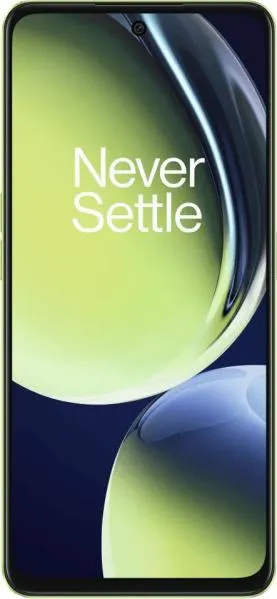
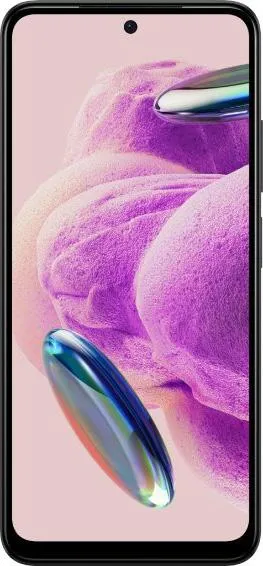
| Feature | OnePlus Nord CE 3 Lite | Xiaomi Redmi Note 12S | Practical Impact |
|---|---|---|---|
| Design | |||
| Dimensions (mm) | 165.5 x 76 x 8.3 | 159.9 x 73.9 x 8.1 | Redmi Note 12S is slightly smaller and more compact. |
| Weight (g) | 195 | 176 | Redmi Note 12S is noticeably lighter, improving one-handed use. |
| Display | |||
| Display Type | IPS LCD | AMOLED | AMOLED offers deeper blacks, vibrant colors, and better power efficiency in dark mode. LCD often has better outdoor visibility. |
| Display Size (inches) | 6.72 | 6.43 | Nord CE 3 Lite offers a larger screen for media consumption. |
| Refresh Rate (Hz) | 120 | 90 | Nord CE 3 Lite provides smoother scrolling and animations. |
| Peak Brightness (nits) | 680 | 1000 | Redmi Note 12S can get significantly brighter, improving outdoor readability. |
| Performance | |||
| Chipset | Snapdragon 695 5G | Helio G96 | Snapdragon 695 generally offers better performance and power efficiency. It also includes 5G connectivity. |
| CPU | Octa-core (2x2.2 GHz Kryo 660 & 6x1.7 GHz Kryo 660) | Octa-core (2x2.05 GHz Cortex-A76 & 6x2.0 GHz Cortex-A55) | While both are octa-core, architectural differences favor the Snapdragon 695 for overall performance. |
| GPU | Adreno 619 | Mali-G57 MC2 | Adreno 619 generally provides better gaming performance. |
| RAM (GB) | 8 | 6/8 (variant dependent) | More RAM allows for better multitasking. The comparison is variant specific. |
| Camera | |||
| Main Camera (MP) | 108 | 108 | Similar resolution, but sensor and image processing will determine actual image quality. |
| Sensor Size (inches) | 1/1.67 | 1/1.52 | Redmi Note 12S has a larger sensor, potentially capturing more light and detail. |
| Aperture | f/1.7 | f/1.8 | Negligible difference in aperture. |
| Battery | |||
| Capacity (mAh) | 5000 | 5000 | Similar battery capacity, but real-world battery life depends on optimization and usage. |
2. Key Differences Analysis
OnePlus Nord CE 3 Lite Advantages:
- 5G Connectivity: Future-proofs the device for faster network speeds.
- Smoother Display: 120Hz refresh rate offers a more fluid user experience.
- Generally Better Performance: Snapdragon 695 outperforms Helio G96 in most tasks.
Xiaomi Redmi Note 12S Advantages:
- Brighter Display: AMOLED with 1000 nits peak brightness excels in sunlight.
- More Compact and Lighter: Easier to handle and carry.
- Potentially Better Camera: Larger main camera sensor may capture more light.
3. User Profiles & Recommendations
OnePlus Nord CE 3 Lite: Ideal for users who prioritize performance, 5G connectivity, and a smooth display. Good for gaming, multitasking, and future-proofing.
Xiaomi Redmi Note 12S: Ideal for users who prioritize a vibrant display with excellent outdoor visibility, a compact and lightweight design. Excellent for media consumption in bright environments.
4. Decision Framework
Key Questions:
- Is 5G connectivity crucial? If yes, the Nord CE 3 Lite is the only option.
- Do you prioritize display quality or smoothness? AMOLED offers vibrant colors and deep blacks, while 120Hz provides smoother scrolling.
- Which form factor is preferred? Consider the size and weight differences for comfortable handling.
Scenario-Based Recommendations:
- Heavy user, gamer: Nord CE 3 Lite for its performance and 5G.
- Media consumer, outdoor use: Redmi Note 12S for its bright AMOLED display.
- Budget-conscious user: Both phones offer good value, but specific pricing in your region will determine the best deal.
My Choice: Xiaomi Redmi Note 12S
While the OnePlus Nord CE 3 Lite offers 5G and a smoother display, I would choose the Xiaomi Redmi Note 12S. The AMOLED display's vibrant colors and exceptional brightness, combined with the more compact and lightweight design, are compelling for my usage. I prioritize display quality and comfortable one-handed use over marginal performance gains and future-proofing with 5G, as 5G availability and my need for it are not yet significant factors in my region. The potentially better low-light camera performance due to the larger sensor is also a plus. Ultimately, these factors align better with my personal preferences and usage patterns.
