1. Specifications Comparison
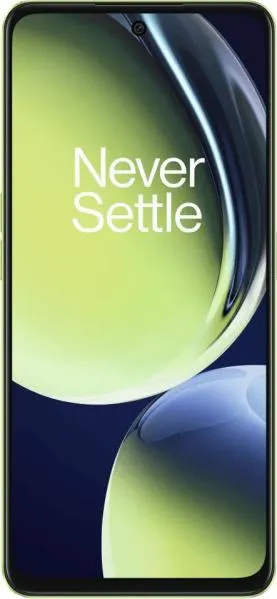
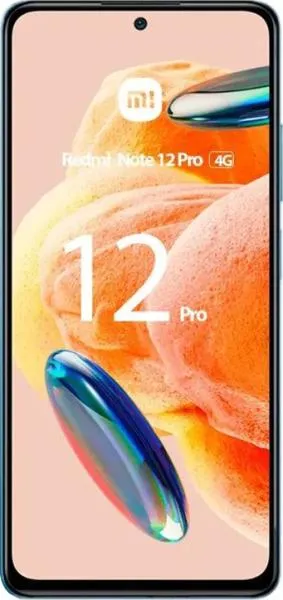
| Feature | OnePlus Nord CE 3 Lite | Xiaomi Redmi Note 12 Pro 4G | Practical Impact |
|---|---|---|---|
| Design | |||
| Dimensions (mm) | 165.5 x 76 x 8.3 | 164.2 x 76.1 x 8.1 | Redmi is slightly smaller and thinner. Negligible difference in daily use. |
| Weight (g) | 195 | 201.8 | OnePlus is slightly lighter, but the difference is minimal. |
| Display | |||
| Display Type | IPS LCD | AMOLED | AMOLED offers deeper blacks, more vibrant colors, and potentially better power efficiency. LCD can be brighter outdoors. |
| Display Size (inches) | 6.72 | 6.67 | Virtually identical screen sizes. |
| Resolution | 1080 x 2400 | 1080 x 2400 | Same resolution, resulting in similar sharpness. |
| Refresh Rate (Hz) | 120 | 120 | Both offer smooth scrolling and animations. |
| Peak Brightness (nits) | 680 | 1100 | Redmi has significantly higher peak brightness, improving outdoor visibility. |
| Dolby Vision | No | Yes | Redmi supports Dolby Vision for enhanced HDR content viewing experience. |
| Performance | |||
| Chipset | Snapdragon 695 5G | Snapdragon 732G | Snapdragon 732G offers slightly better CPU and GPU performance, but 695 has integrated 5G. |
| CPU | Octa-core (2x2.2 GHz & 6x1.7 GHz) | Octa-core (2x2.2 GHz & 6x1.8 GHz) | Marginal difference in CPU performance; both are suitable for everyday tasks. |
| GPU | Adreno 619 | Adreno 618 | Adreno 619 provides slightly improved graphics performance but differences are minor. |
| RAM (GB) | 8 | 8 | Same RAM capacity for multitasking. |
| Camera | |||
| Main Camera (MP) | 108 | 108 | Both have high-resolution main sensors. Image quality will depend on processing. |
| Ultrawide | No | Yes | Redmi offers an ultrawide lens for broader perspective shots. |
| Video Recording | 1080p@30fps | 4K@30fps | Redmi can record videos at a higher resolution. |
| Battery | |||
| Capacity (mAh) | 5000 | 5000 | Identical battery capacity suggesting similar battery life, depending on usage. |
2. Key Differences Analysis
OnePlus Nord CE 3 Lite Advantages:
- 5G Connectivity: Future-proofed with 5G support.
- Slightly Lighter: Marginally lighter, though practically insignificant.
Xiaomi Redmi Note 12 Pro 4G Advantages:
- AMOLED Display: Superior display with vibrant colors, deeper blacks and HDR support through Dolby Vision.
- Higher Peak Brightness: Better outdoor visibility.
- Slightly Better Performance: Minor advantage in CPU and GPU performance for demanding tasks and gaming.
- Ultrawide Camera: Adds versatility for landscape and group photos.
- 4K Video Recording: Higher resolution video recording capability.
3. User Profiles & Recommendations
OnePlus Nord CE 3 Lite: Users prioritizing 5G connectivity on a budget.
Xiaomi Redmi Note 12 Pro 4G: Users who value a superior display and camera versatility, and don't need 5G. Best for media consumption, photography enthusiasts, and casual gaming.
4. Decision Framework
Key Questions for Buyers:
- Is 5G connectivity essential?
- Do you prioritize display quality and camera versatility?
- What is your budget?
Scenario-Based Recommendations:
- Tight Budget, Need 5G: OnePlus Nord CE 3 Lite
- Prioritize Display and Camera: Xiaomi Redmi Note 12 Pro 4G
My Choice: Xiaomi Redmi Note 12 Pro 4G
While 5G is a future-proof feature, the Redmi Note 12 Pro 4G offers a significantly better user experience in areas I value more: display quality, camera versatility, and performance. The AMOLED screen with Dolby Vision and higher peak brightness is a major advantage for media consumption and everyday use. The ultrawide camera adds valuable versatility, and the ability to record 4K video is a welcome addition. The slightly improved performance is a bonus. While the lack of 5G might be a concern for some, 4G networks are still widely prevalent and offer sufficient speeds for most tasks. For my personal use, the superior display and camera outweigh the benefits of 5G.
