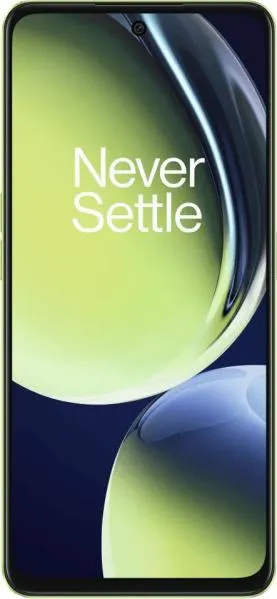
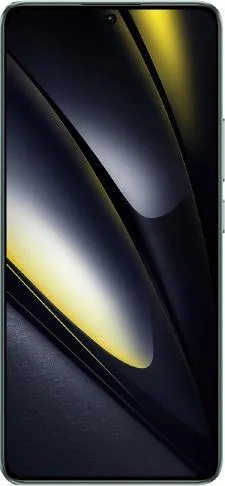
1. Specifications Comparison
| Feature | OnePlus Nord CE 3 Lite | Xiaomi Poco F6 | Practical Impact |
|---|---|---|---|
| Design | |||
| Dimensions (mm) | 165.5 x 76 x 8.3 | 160.5 x 74.5 x 8 | Poco F6 is slightly smaller and thinner. |
| Weight (g) | 195 | 179 | Poco F6 is noticeably lighter, improving one-handed use. |
| Fingerprint Sensor | Side-mounted | Under-display | Preference-dependent; under-display feels more modern. |
| Display | |||
| Display Type | IPS LCD | AMOLED | Poco F6 offers deeper blacks, vibrant colors, and better power efficiency. |
| Display Size (inches) | 6.72 | 6.67 | Negligible size difference. |
| Resolution | 1080 x 2400 | 1220 x 2712 | Poco F6 has a sharper display with higher pixel density (446 vs 391 PPI). |
| Refresh Rate (Hz) | 120 | 120 | Both offer smooth scrolling and animations. |
| HDR | No | HDR10+, Dolby Vision | Poco F6 supports HDR content for a superior viewing experience in compatible media. |
| Peak Brightness (nits) | 680 | 2400 | Poco F6 gets significantly brighter, crucial for outdoor visibility. |
| Performance | |||
| Chipset | Snapdragon 695 5G | Snapdragon 8s Gen 3 | Poco F6 boasts a significantly more powerful processor, resulting in much faster performance and smoother multitasking. |
| CPU | Octa-core (2x2.2 GHz Kryo 660 Gold & 6x1.7 GHz Kryo 660 Silver) | Octa-core (1x3.0 GHz Cortex-X4 & 4x2.8 GHz Cortex-A720 & 3x2.0 GHz Cortex-A520) | Poco F6's CPU architecture is newer and more powerful. |
| GPU | Adreno 619 | Adreno 735 | Poco F6 offers a substantially more powerful GPU, enabling smoother gaming and demanding graphical tasks. |
| RAM (GB) | 8 | 8 | Both phones have the same amount of RAM in this comparison. However, the Poco F6 is available in 12GB configuration |
| Camera | |||
| Main Camera (MP) | 108 | 50 | Megapixel count isn't everything; image quality depends on sensor size, aperture, and processing. |
| Sensor | Samsung HM6 | Sony IMX882 | Poco F6 likely uses a larger sensor (information missing for Nord), potentially capturing more light and detail. |
| Optical Image Stabilization | No | Yes | Poco F6's OIS will result in significantly more stable videos and potentially better low-light photos. |
| Video Recording | 1080p@30fps | Up to 4K@60fps with EIS | Poco F6 offers superior video recording capabilities with higher resolution and frame rates. |
| Battery | |||
| Capacity (mAh) | 5000 | 5000 | Similar battery capacity. Real-world battery life will depend on usage and optimization. |
2. Key Differences Analysis
OnePlus Nord CE 3 Lite Advantages:
- Potentially Lower Price: Generally more affordable.
- Potentially Longer Software Support: OnePlus has improved its software update track record, but details on update duration for both phones are missing.
Xiaomi Poco F6 Advantages:
- Significantly Superior Performance: The Snapdragon 8s Gen 3 offers a substantial performance advantage for demanding tasks and gaming.
- Higher Quality Display: AMOLED with HDR support and much higher peak brightness provides a vastly improved viewing experience.
- Better Camera System: OIS, larger sensor (likely), and 4K video recording capabilities make the Poco F6's camera more versatile and capable.
- Lighter and More Compact: Easier to handle and carry.
3. User Profiles & Recommendations
OnePlus Nord CE 3 Lite:
- Budget-conscious users: Prioritize affordability over top-tier specs.
- Light users: Primarily use their phone for basic tasks like calling, texting, social media, and web browsing.
Xiaomi Poco F6:
- Performance enthusiasts: Demand fast and smooth performance for gaming, multitasking, and demanding applications.
- Content consumers: Value a high-quality display for watching videos and viewing photos.
- Mobile photographers/videographers: Require OIS and higher resolution video recording capabilities.
4. Decision Framework
Key Questions for Buyers:
- What is your budget? The Poco F6 will likely be more expensive.
- What are your primary phone usage patterns? Light users might find the Nord CE 3 Lite sufficient.
- How important are display quality, camera performance, and overall speed? The Poco F6 excels in these areas.
My Choice: Xiaomi Poco F6
While price information isn't fully detailed, the Poco F6 offers a significantly superior user experience across the board. The vastly improved performance, higher quality display, more capable camera, and lighter design make it a compelling choice. Even if the price difference is substantial, the Poco F6's advantages in crucial areas like performance, display, and camera justify the investment for most users beyond those with the strictest budget constraints. The leap in chipset from the Snapdragon 695 to the 8s Gen 3 is a generational jump, offering tangible benefits in daily use and future-proofing the device.
