
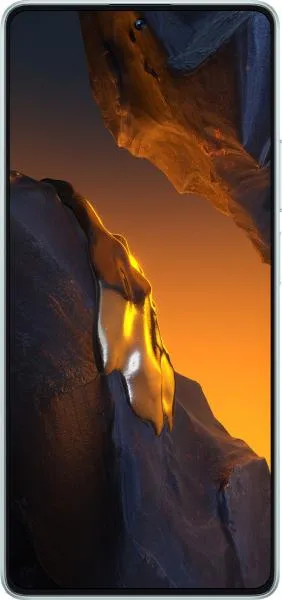
1. Specifications Comparison
| Feature | OnePlus Nord CE 3 Lite | Xiaomi Poco F5 | Practical Impact |
|---|---|---|---|
| Design | |||
| Dimensions (mm) | 165.5 x 76 x 8.3 | 161.1 x 75 x 7.9 | Poco F5 is slightly smaller and thinner. |
| Weight (g) | 195 | 181 | Poco F5 is noticeably lighter, improving one-handed use. |
| Display | |||
| Display Type | IPS LCD | AMOLED | Poco F5 offers deeper blacks, more vibrant colors, and better power efficiency due to AMOLED technology. |
| Display Size (inches) | 6.72 | 6.67 | Negligible size difference. |
| Resolution | 1080 x 2400 | 1080 x 2400 | Same resolution, resulting in similar sharpness. |
| Refresh Rate (Hz) | 120 | 120 | Both offer smooth scrolling and animations. |
| HDR | No HDR support listed | HDR10+, Dolby Vision | Poco F5 supports HDR content, resulting in a significantly better viewing experience for compatible videos. |
| Peak Brightness | 680 nits (peak) | 1000 nits (peak) | Poco F5 will be more visible in direct sunlight. |
| Performance | |||
| Chipset | Snapdragon 695 5G (6 nm) | Snapdragon 7+ Gen 2 (4 nm) | Poco F5 boasts a significantly more powerful processor, leading to much faster performance in demanding tasks and gaming. |
| CPU | Octa-core (2x2.2 GHz & 6x1.7 GHz) | Octa-core (1x2.91 GHz & 3x2.49 GHz & 4x1.8 GHz) | Poco F5's CPU architecture and higher clock speeds provide a substantial performance advantage. |
| GPU | Adreno 619 | Adreno 725 | Poco F5's GPU is considerably more powerful, enabling smoother gaming and faster graphics rendering. |
| RAM (GB) | 8 | 8/12 | Both offer ample RAM for multitasking, but the Poco F5 offers a 12GB option for even more demanding users. |
| Camera | |||
| Main Camera (MP) | 108 | 64 | While the Nord has higher resolution, the Poco F5's sensor and processing could potentially deliver better image quality. More information on sensor specifics and image processing is needed for a definitive conclusion. |
| Video Recording | 1080p@30fps | 4K@30fps | Poco F5 offers higher resolution video recording. |
| Optical Image Stabilization | No | Yes | Poco F5's OIS will result in significantly smoother videos and potentially better low-light photos. |
| Battery | |||
| Capacity (mAh) | 5000 | 5000 | Similar battery capacities suggest comparable battery life, but real-world usage will depend on software optimization and user habits. |
2. Key Differences Analysis
OnePlus Nord CE 3 Lite Advantages:
- Potentially Lower Price: While pricing can vary, the Nord CE 3 Lite is generally positioned as a more budget-friendly option.
Xiaomi Poco F5 Advantages:
- Significantly Superior Performance: The Snapdragon 7+ Gen 2 provides a substantial performance advantage over the Snapdragon 695.
- Better Display: AMOLED technology with HDR10+ and Dolby Vision offers a far superior viewing experience.
- Higher Quality Video Recording: 4K recording and Optical Image Stabilization (OIS) enable more detailed and stable videos.
- Faster Charging: While not explicitly listed, the Poco F5 generally features faster charging than the Nord CE 3 Lite.
3. User Profiles & Recommendations
OnePlus Nord CE 3 Lite:
- Budget-conscious users: Prioritize affordability over top-tier performance or features.
- Light users: Primarily use their phone for basic tasks like calling, texting, social media browsing, and light photography.
Xiaomi Poco F5:
- Performance enthusiasts: Demand high performance for gaming, demanding apps, and multitasking.
- Content consumers: Enjoy watching videos and playing games on their phone and value a high-quality display.
- Mobile photographers/videographers: Appreciate OIS for stable videos and potentially better low-light performance.
4. Decision Framework
Key Questions for Buyers:
- What is your budget? The Nord CE 3 Lite is likely more affordable.
- What are your primary phone usage patterns? Heavy users will benefit from the Poco F5's performance.
- How important is display and camera quality? The Poco F5 offers significant advantages in both areas.
My Choice: Xiaomi Poco F5
While the OnePlus Nord CE 3 Lite offers a budget-friendly option, the Xiaomi Poco F5 is the clear winner for me. The significantly improved performance thanks to the Snapdragon 7+ Gen 2, the superior AMOLED display with HDR support, the inclusion of OIS for video recording, and the potential for faster charging all contribute to a significantly better overall user experience. The price difference is justifiable for the substantial upgrade in features and performance. Even though we lack details on camera sensor quality, the Poco F5's overall package is much more appealing for a user who values a smooth, responsive, and visually engaging smartphone experience.
