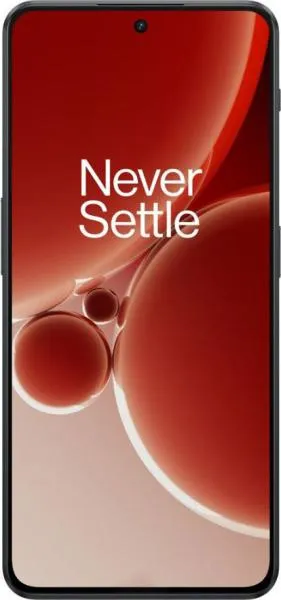
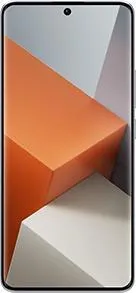
1. Specifications Comparison
| Feature | OnePlus Nord 3 | Xiaomi Redmi Note 13 Pro+ | Practical Impact |
|---|---|---|---|
| Design | |||
| Dimensions (mm) | 162 x 75.1 x 8.2 | 161.4 x 74.2 x 8.9 | Virtually identical in hand feel. |
| Weight (g) | 193.5 | 199 | Negligible weight difference in real-world usage. |
| Display | |||
| Size (inches) | 6.74 | 6.67 | Negligible size difference. |
| Resolution (px) | 1240 x 2772 | 1220 x 2712 | Both offer sharp, detailed visuals. Nord 3 slightly sharper due to higher pixel density. |
| Type | AMOLED | AMOLED | Both offer vibrant colors and deep blacks. |
| Refresh Rate (Hz) | 120 | 120 | Both provide smooth scrolling and animations. |
| Peak Brightness (nits) | 1450 | 1800 | Redmi Note 13 Pro+ offers better visibility in direct sunlight. |
| Color Depth | 1B | 68B | Redmi Note 13 Pro+ supports a wider color gamut, resulting in more nuanced colors, especially noticeable in HDR content. |
| HDR Support | HDR10+ | HDR10+, Dolby Vision | Redmi Note 13 Pro+ adds Dolby Vision support, potentially offering a better HDR experience in compatible content. |
| Performance | |||
| Chipset | Dimensity 9000 (4nm) | Dimensity 7200 Ultra (4nm) | Dimensity 9000 is a flagship-level chip from the previous generation, offering potentially superior overall performance compared to the Dimensity 7200 Ultra, a more recent mid-range chip. |
| CPU | Octa-core (1x3.05 GHz X2 & 3x2.85 GHz A710 & 4x1.80 GHz A510) | Octa-core (2x2.8 GHz A715 & 6x2.0 GHz A510) | Nord 3 likely has a performance advantage in demanding tasks and multitasking due to its more powerful CPU core configuration. |
| GPU | Mali-G710 MC10 | Mali-G610 MC4 | Nord 3's GPU is significantly more powerful, resulting in smoother gaming and faster graphics rendering. |
| RAM (GB) | 8 (specified) | 8/12/16 (depending on version) | Redmi offers configurations with more RAM, potentially improving multitasking performance. |
| Camera | |||
| Main Camera (MP) | 50 (Sony IMX890) | 200 (Samsung ISOCELL HP3) | Redmi Note 13 Pro+ boasts a much higher resolution sensor. Higher resolution doesn't always equate to better image quality, but it allows for more detailed photos and potentially better digital zoom. |
| Ultrawide (MP) | 8 | 8 | Similar ultrawide capabilities. |
| Macro (MP) | 2 | 2 | Similar macro capabilities. |
| Selfie (MP) | 16 | 16 | Similar selfie camera resolution. |
| Video | Up to 4K@60fps with EIS | Up to 4K@30fps with EIS | Nord 3 can record higher resolution video at higher frame rates. |
| Battery | |||
| Capacity (mAh) | 5000 | 5000 | Similar battery capacity, expected similar battery life, but real-world usage will vary depending on individual use patterns and software optimization. |
2. Key Differences Analysis
OnePlus Nord 3 Advantages:
- Superior Performance: The Dimensity 9000 provides a significant performance advantage for demanding tasks and gaming.
- Higher Video Frame Rates: Capable of recording 4K video at 60fps.
Xiaomi Redmi Note 13 Pro+ Advantages:
- Brighter Display: Better outdoor visibility.
- Wider Color Gamut & Dolby Vision: Enhanced visual experience for HDR content.
- Higher Resolution Main Camera: Potentially more detailed photos and better digital zoom.
- More RAM Options: Configurations with up to 16GB RAM for enhanced multitasking.
3. User Profiles & Recommendations
OnePlus Nord 3: Users who prioritize performance for gaming, demanding applications, and smooth multitasking, and those who need higher video recording frame rates.
Xiaomi Redmi Note 13 Pro+: Users who prioritize display quality for consuming media, especially HDR content, and those who desire a high-resolution main camera for capturing detailed photos. Those who heavily multitask may benefit from the 16GB RAM option.
4. Decision Framework
Key Questions for Buyers:
- What is your budget and which specific configuration offers the best value within that budget? Consider RAM and storage needs.
- What are your primary use cases? Gaming, media consumption, photography, or general use?
- Do you prioritize raw performance or display quality?
Scenario-Based Recommendations:
- Gamer: OnePlus Nord 3 for its superior GPU and overall performance.
- Media Enthusiast: Xiaomi Redmi Note 13 Pro+ for its brighter display, wider color gamut, and Dolby Vision.
- Casual User: Either phone would be suitable, but the Redmi Note 13 Pro+ might offer a better value depending on specific configuration pricing.
My Choice: OnePlus Nord 3
While the Redmi Note 13 Pro+ boasts impressive camera specs and display features, I prioritize consistent, smooth performance above all else in a smartphone. The OnePlus Nord 3's Dimensity 9000 offers a significant advantage in this area, ensuring a lag-free experience even with demanding tasks and gaming. The ability to record 4K@60fps is another compelling factor for me. While the Redmi's higher resolution main camera is tempting, I believe the overall processing power and speed of the Nord 3 will provide a more satisfying user experience in the long run. The slightly dimmer display is a trade-off I'm willing to make for the performance gains. Ultimately, my choice reflects my personal preference for a fast and responsive device.
