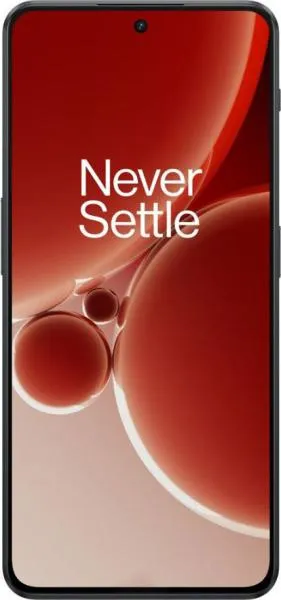
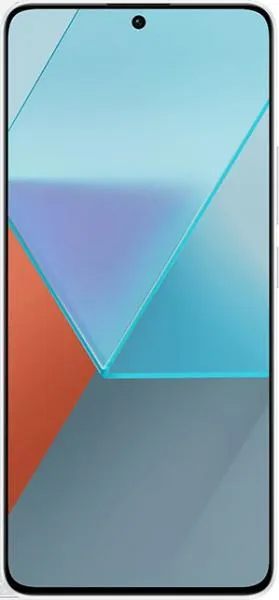
1. Specifications Comparison
| Feature | OnePlus Nord 3 | Xiaomi Redmi Note 13 Pro | Practical Impact |
|---|---|---|---|
| Design | |||
| Dimensions (mm) | 162 x 75.1 x 8.2 | 161.2 x 74.2 x 8 | Virtually identical in size and feel. |
| Weight (g) | 193.5 | 187 | Redmi is slightly lighter, but the difference is negligible. |
| Display | |||
| Size (inches) | 6.74 | 6.67 | Negligible difference in screen real estate. |
| Resolution (px) | 1240 x 2772 | 1220 x 2712 | Both offer sharp, detailed visuals due to high pixel density. |
| Display Type | AMOLED, 120Hz | AMOLED, 120Hz | Both offer smooth scrolling and vibrant colors. |
| Peak Brightness (nits) | 1450 | 1800 | Redmi has a significantly brighter display, improving outdoor visibility. |
| Color Depth | 1B | 68B | Redmi's 68B color depth offers a wider range of colors, resulting in more nuanced and realistic images. |
| HDR | HDR10+ | Dolby Vision | Both support advanced HDR formats, enhancing video quality. Dolby Vision generally offers better dynamic range than HDR10+. |
| Performance | |||
| Chipset | Dimensity 9000 (4nm) | Snapdragon 7s Gen 2 (4nm) | Dimensity 9000 generally offers superior CPU and GPU performance compared to the Snapdragon 7s Gen 2. This translates to smoother multitasking, faster app loading, and better gaming performance on the Nord 3. |
| CPU | Octa-core (1x3.05 GHz Cortex-X2 & 3x2.85 GHz Cortex-A710 & 4x1.80 GHz Cortex-A510) | Octa-core (4x2.4 GHz Cortex-A78 & 4x1.95 GHz Cortex-A55) | Nord 3 has a more powerful CPU architecture, leading to better performance in demanding tasks. |
| GPU | Mali-G710 MC10 | Adreno 710 | Mali-G710 MC10 generally outperforms Adreno 710, providing a smoother gaming experience on the Nord 3. |
| RAM (provided example) | 8GB | 8GB (Multiple variants available) | RAM performance differences depend on specific configurations. Both phones offer ample RAM for everyday tasks. |
| Camera | |||
| Main Camera (MP) | 50 MP (Sony IMX890) | 200 MP (Samsung ISOCELL HP3) | Redmi boasts a higher megapixel count, but image quality depends on factors beyond resolution, such as sensor size and processing. |
| Ultrawide (MP) | 8 MP | 8 MP | Similar ultrawide capabilities. |
| Video Recording | 4K@60fps with EIS | 4K@30fps with EIS | Nord 3 offers higher resolution video recording at 60fps. |
| Battery | |||
| Capacity (mAh) | 5000 | 5100 | Negligible difference in battery capacity. Real-world battery life will depend on usage patterns and software optimization. |
2. Key Differences Analysis
OnePlus Nord 3 Advantages:
- Superior Performance: The Dimensity 9000 chipset provides a noticeable performance advantage for demanding tasks and gaming.
- Higher Resolution Video Recording: 4K@60fps allows for smoother and more detailed video capture.
Xiaomi Redmi Note 13 Pro Advantages:
- Brighter Display: The 1800 nits peak brightness ensures excellent outdoor visibility.
- Wider Color Gamut: The 68B color depth delivers richer and more accurate colors.
- Higher Resolution Main Camera: The 200MP sensor potentially captures more detail, though real-world performance needs further review.
- Lower Price: Based on the provided data, the Redmi Note 13 Pro generally offers lower prices across its different storage configurations.
3. User Profiles & Recommendations
OnePlus Nord 3: Suitable for users who prioritize performance for gaming, multitasking, and demanding applications. Also ideal for users who frequently record videos and desire the highest quality possible.
Xiaomi Redmi Note 13 Pro: Best for users who prioritize display quality for media consumption and outdoor usage. Also a good option for budget-conscious users seeking a feature-rich phone. The higher megapixel camera might appeal to photography enthusiasts, but real-world comparisons are needed.
4. Decision Framework
Key Questions for Buyers:
- What is your budget? The Redmi Note 13 Pro offers a wider range of storage options at more competitive price points.
- What are your primary use cases? Gamers and power users will appreciate the Nord 3's performance, while those focusing on media consumption will prefer the Redmi's display.
- How important is camera quality? While the Redmi boasts a 200MP sensor, real-world comparisons are necessary to determine actual image quality differences.
My Choice: OnePlus Nord 3
While the Redmi Note 13 Pro offers a compelling package with its vibrant display and competitive price, I would choose the OnePlus Nord 3. The significantly more powerful Dimensity 9000 chipset ensures a smoother and more responsive user experience across all tasks. This, coupled with the capability to record 4K video at 60fps, outweighs the Redmi's advantages in display brightness and camera megapixels for my personal needs. I prioritize long-term performance and smooth daily usage, which the Nord 3 is better equipped to deliver. The slight price premium is justifiable for the significant performance gains.
