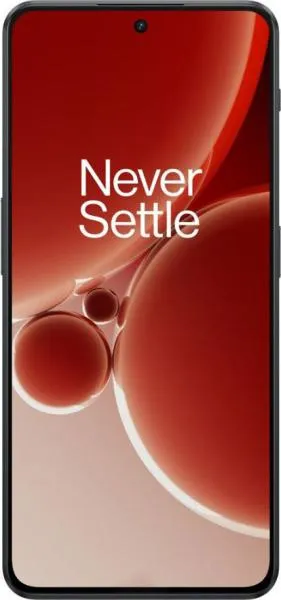
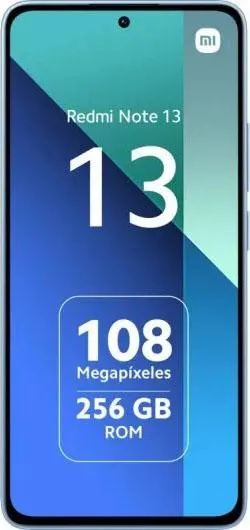
1. Specifications Comparison
| Feature | OnePlus Nord 3 | Xiaomi Redmi Note 13 4G | Practical Impact |
|---|---|---|---|
| Design | |||
| Dimensions (mm) | 162 x 75.1 x 8.2 | 162.3 x 75.6 x 8 | Virtually identical in size and feel |
| Weight (g) | 193.5 | 188.5 | Negligible weight difference in real-world usage |
| Display | |||
| Display Type | 6.74" Fluid AMOLED, 120Hz | 6.67" AMOLED, 120Hz | Both offer smooth scrolling and vibrant colors; Nord 3 slightly larger |
| Resolution | 1240 x 2772 (451 ppi) | 1080 x 2400 (395 ppi) | Nord 3 noticeably sharper due to higher resolution |
| Peak Brightness | 1450 nits | 1800 nits | Redmi Note 13 might be slightly more visible in direct sunlight |
| Performance | |||
| Chipset | Mediatek Dimensity 9000 (4nm) | Qualcomm Snapdragon 685 (6nm) | Dimensity 9000 significantly more powerful, enabling smoother multitasking, gaming, and demanding tasks |
| CPU | Octa-core (1x3.05 GHz Cortex-X2 & 3x2.85 GHz Cortex-A710 & 4x1.80 GHz Cortex-A510) | Octa-core (4x2.8 GHz Cortex-A73 & 4x1.9 GHz Cortex-A53) | Nord 3's CPU architecture offers superior performance and efficiency |
| GPU | Mali-G710 MC10 | Adreno 610 | Nord 3's GPU delivers considerably better graphics performance for gaming and media consumption |
| RAM | 8GB | 8GB | Equal RAM, but Nord 3's superior processor will utilize it more effectively |
| Camera | |||
| Main Camera | 50MP Sony IMX890, f/1.8, OIS | 108MP Samsung HM6, f/1.7 | While Redmi Note 13 boasts higher resolution, the Sony sensor in Nord 3 generally produces better image quality, especially in low light; Nord 3 has OIS for steadier videos |
| Video Recording | 4K@60fps with EIS | 1080p@30fps | Nord 3 offers significantly higher resolution and frame rate video recording capabilities |
| Battery | |||
| Capacity | 5000 mAh | 5000 mAh | Similar battery capacity, but real-world battery life will depend on software optimization and usage patterns |
2. Key Differences Analysis
OnePlus Nord 3 Advantages:
- Significantly more powerful processor and GPU: Leads to smoother performance in demanding tasks, gaming, and multitasking.
- Sharper display: Higher resolution for clearer visuals.
- Superior video recording: 4K@60fps with EIS offers higher quality and smoother videos.
- Generally better main camera image quality: Sony IMX890 sensor is known for good performance.
Xiaomi Redmi Note 13 4G Advantages:
- Potentially brighter display: Higher peak brightness for better visibility in direct sunlight.
- Lower price: Offers a more budget-friendly option.
3. User Profiles & Recommendations
OnePlus Nord 3: Users who prioritize performance, a smooth user experience, high-quality photos and videos, and gaming.
Xiaomi Redmi Note 13 4G: Users on a tight budget who prioritize basic functionality, a bright display for outdoor use, and casual usage.
4. Decision Framework
Key Questions for Buyers:
- What is your budget? The Redmi Note 13 4G is significantly cheaper.
- What is your primary use case? For demanding tasks and gaming, the Nord 3 is far superior. For basic tasks like browsing and social media, the Redmi Note 13 is sufficient.
- How important is camera quality and video recording? The Nord 3 excels in this area.
My Choice: OnePlus Nord 3
While the Redmi Note 13 4G offers an attractive price, the OnePlus Nord 3's superior performance, display sharpness, and camera capabilities make it the clear winner for me. The Dimensity 9000 is a flagship-level chipset that offers a significantly better user experience in the long run. I value smooth performance, high-quality media consumption, and future-proofing, which the Nord 3 provides. The price difference is justified by the significant performance gap. The Redmi Note 13 4G might be a good option for budget-conscious users with basic needs, but for a more demanding user, the Nord 3 is a much better investment.
