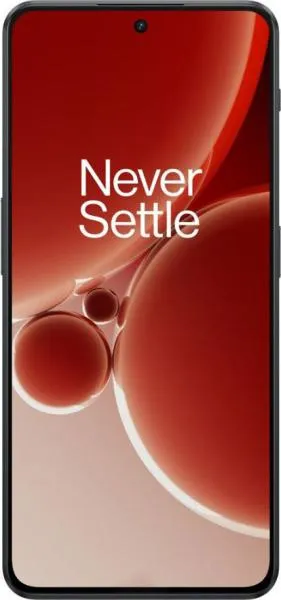
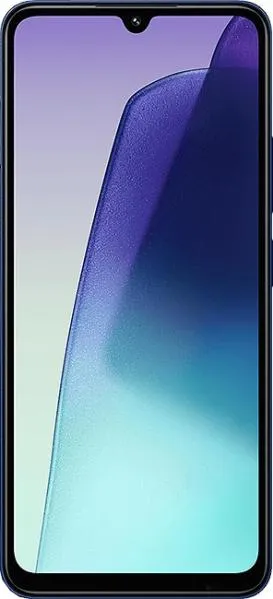
1. Specifications Comparison
| Feature | OnePlus Nord 3 | Xiaomi Redmi 14C | Practical Impact |
|---|---|---|---|
| Design | |||
| Dimensions (mm) | 162 x 75.1 x 8.2 | 171.9 x 77.8 x 8.2 | Redmi 14C is noticeably larger and heavier. Nord 3 is more pocketable and comfortable for one-handed use. |
| Weight (g) | 193.5 | 211 | Redmi 14C's extra weight might be noticeable during extended use. |
| Fingerprint Sensor | Under Display | Side-mounted | Preference-based, but under-display is often considered more modern. |
| Display | |||
| Display Type | 6.74" Fluid AMOLED, 120Hz | 6.88" IPS LCD, 120Hz | Nord 3's AMOLED offers deeper blacks, more vibrant colors, and better power efficiency. Redmi 14C has a slightly larger display but lower resolution. |
| Resolution | 1240 x 2772 (451 ppi) | 720 x 1640 (260 ppi) | Nord 3 offers significantly sharper visuals due to higher resolution and pixel density. Redmi 14C's display will appear noticeably less sharp. |
| Peak Brightness | 1450 nits | 600 nits (HBM) | Nord 3 will be much more readable in direct sunlight. |
| Performance | |||
| Chipset | Mediatek Dimensity 9000 (4 nm) | Mediatek Helio G81 Ultra | Nord 3's Dimensity 9000 is considerably more powerful, resulting in significantly smoother performance for demanding tasks, gaming, and multitasking. |
| CPU | Octa-core (1x3.05 GHz Cortex-X2 & 3x2.85 GHz Cortex-A710 & 4x1.80 GHz Cortex-A510) | Octa-core (2x2.0 GHz Cortex-A75 & 6x1.8 GHz Cortex-A55) | Nord 3's CPU architecture is more modern and powerful. |
| GPU | Mali-G710 MC10 | Mali-G52 MC2 | Nord 3's GPU offers a substantial performance advantage for gaming and graphics-intensive applications. |
| RAM | 8GB/16GB | 4GB/6GB/8GB | More RAM in Nord 3 (in some variants) allows for smoother multitasking and app switching. |
| Camera | |||
| Main Camera | 50MP Sony IMX890, f/1.8, OIS | 50MP, f/1.8 | Nord 3 uses a known high-quality sensor (IMX890) with OIS, likely resulting in better image quality, especially in low light. Sensor details lacking for Redmi 14C make direct comparison difficult. |
| Ultrawide | 8MP | 0.8MP (presumably for depth sensing, not ultrawide) | Nord 3 offers a usable ultrawide camera, while the Redmi 14C's secondary camera's purpose is unclear but likely not for general photography. |
| Video | 4K@60fps with EIS | 1080p@30fps | Nord 3 provides higher resolution and frame rate video recording capabilities. |
| Battery | |||
| Capacity | 5000 mAh | 5160 mAh | Redmi 14C has a slightly larger battery, but real-world battery life depends on many factors including display efficiency and processor power consumption. |
2. Key Differences Analysis
OnePlus Nord 3 Advantages:
- Significantly more powerful: The Dimensity 9000 provides a huge performance advantage for demanding tasks and gaming.
- Superior display: AMOLED technology with higher resolution and brightness provides a far better viewing experience.
- Better camera system: High-quality primary sensor with OIS and a functional ultrawide lens.
- More premium design: Generally more compact and lighter.
Xiaomi Redmi 14C Advantages:
- Larger battery: Potentially longer battery life, although this depends on other factors.
- Lower price: Offers a more budget-friendly option.
Trade-offs:
- Performance vs. Price: Redmi 14C sacrifices performance for affordability.
- Display Quality vs. Size: Nord 3 prioritizes display quality over sheer size.
3. User Profiles & Recommendations
OnePlus Nord 3: Users who prioritize performance, a high-quality display, a good camera, and a more premium feel. Ideal for:
- Gaming: The powerful chipset and smooth display provide a great gaming experience.
- Photography/Videography: The capable camera system allows for capturing high-quality photos and videos.
- Multitasking: Ample RAM ensures smooth performance even with multiple apps open.
Xiaomi Redmi 14C: Users on a tight budget who prioritize basic functionality and long battery life. Best for:
- Basic tasks: Calling, texting, browsing social media, light web browsing.
- Users seeking maximum battery life: The larger battery may provide longer usage between charges.
4. Decision Framework
Key Questions:
- What is your budget? The Redmi 14C is significantly cheaper.
- What is your primary use case? Gaming and demanding tasks favor the Nord 3. Basic use favors the Redmi 14C.
- How important is display quality and camera performance? The Nord 3 excels in these areas.
My Choice: OnePlus Nord 3
While the Redmi 14C is significantly more affordable, the OnePlus Nord 3 offers a vastly superior user experience due to its significantly better performance, higher quality display, and more capable camera system. The difference in price is justified by the substantial leap in overall quality. For my needs, which include gaming, photography, and general multitasking, the Nord 3's performance and features are far more important than the cost savings offered by the Redmi 14C. The Redmi 14C's significantly lower resolution display would be a major drawback for me personally.
