1. Specifications Comparison
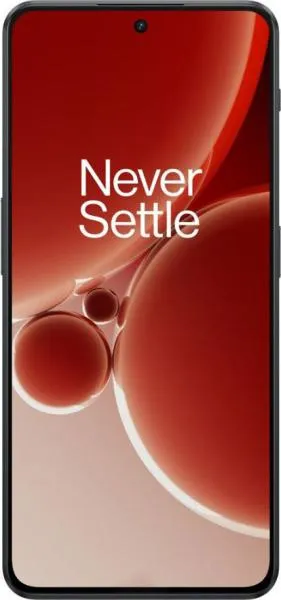
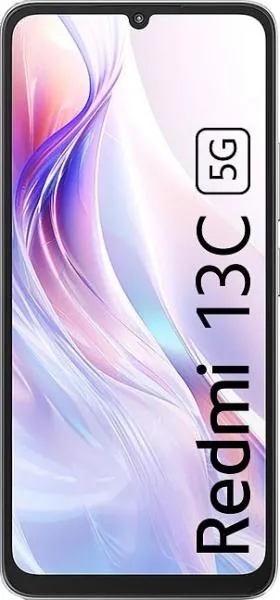
| Feature | OnePlus Nord 3 | Xiaomi Redmi 13C 5G | Practical Impact |
|---|---|---|---|
| Design | |||
| Dimensions (mm) | 162 x 75.1 x 8.2 | 168 x 78 x 8.1 | Redmi 13C is slightly larger and potentially less comfortable for one-handed use. |
| Weight (g) | 193.5 | 192 | Negligible weight difference. |
| Build | Not specified | Not specified | Build quality and materials cannot be compared. |
| Display | |||
| Display Type | 6.74" Fluid AMOLED, 120Hz | 6.74" IPS LCD, 90Hz | Nord 3 offers significantly better contrast, colors, and smoother scrolling due to AMOLED and higher refresh rate. |
| Resolution | 1240 x 2772 (451 ppi) | 720 x 1600 (260 ppi) | Nord 3's display is much sharper and more detailed. Redmi 13C's display will appear pixelated. |
| Brightness | 1450 nits (peak) | 450 nits (typ), 600 nits (HBM) | Nord 3 will be significantly more visible in direct sunlight. |
| Performance | |||
| Chipset | Mediatek Dimensity 9000 (4nm) | Mediatek Dimensity 6100+ (6nm) | Nord 3 will offer significantly better performance in demanding tasks and gaming due to a more powerful chipset. |
| CPU | Octa-core (1x3.05 GHz Cortex-X2 & 3x2.85 GHz Cortex-A710 & 4x1.80 GHz Cortex-A510) | Octa-core (2x2.2 GHz Cortex-A76 & 6x2.0 GHz Cortex-A55) | Nord 3 has a more powerful and efficient CPU architecture. |
| GPU | Mali-G710 MC10 | Mali-G57 MC2 | Nord 3 offers significantly better graphics performance for gaming. |
| RAM | 8GB/16GB | 4GB/6GB/8GB | More RAM in Nord 3 variants allows for better multitasking and smoother performance. |
| Camera | |||
| Main Camera | 50MP Sony IMX890, f/1.8, OIS | 50MP Samsung S5KJN1, f/1.8 | Nord 3 likely has better low-light performance and image quality due to the larger sensor and OIS. |
| Ultrawide | 8MP | Not specified | Nord 3 offers ultrawide photography, Redmi 13C specifications are unclear. |
| Macro | 2MP | 0.8MP (Unclear if dedicated macro) | Limited practical use for both, but Nord 3 might offer slightly better close-up shots. |
| Battery | |||
| Capacity | 5000 mAh | 5000 mAh | Similar battery capacity. Real-world battery life will depend on software optimization and usage patterns. |
| Charging Speed | Not specified | Not specified | Charging speeds cannot be compared. |
| Other | |||
| NFC | Yes | No | Nord 3 supports contactless payments and data transfer. |
| OS | Android 13 | Android 13 | Similar software experience initially, but Nord 3 has longer promised software updates (up to Android 16). |
| Price | Medium | Medium | Redmi 13C is significantly cheaper. |
2. Key Differences Analysis
OnePlus Nord 3 Advantages:
- Superior Display: AMOLED with 120Hz offers vibrant colors, deeper blacks, and smoother scrolling.
- Significantly Better Performance: Dimensity 9000 chipset provides a much smoother experience for gaming and demanding tasks.
- Enhanced Camera System: OIS on the main camera and an ultrawide lens offer more versatility.
- More Premium Features: NFC for contactless payments.
- Longer Software Support: Guaranteed updates up to Android 16.
Xiaomi Redmi 13C 5G Advantages:
- Lower Price: Significantly more affordable.
3. User Profiles & Recommendations
OnePlus Nord 3: Users who prioritize performance, display quality, camera versatility, and longer software updates. Ideal for gaming, content consumption, and mobile photography enthusiasts.
Xiaomi Redmi 13C 5G: Budget-conscious users who prioritize basic functionality and 5G connectivity. Suitable for light usage, social media browsing, and casual photography.
4. Decision Framework
Key Questions for Buyers:
- What is your budget? The Redmi 13C is a much cheaper option.
- What are your primary use cases? Gaming and demanding tasks favor the Nord 3.
- How important is display quality and camera performance? Nord 3 excels in both areas.
Scenario-Based Recommendations:
- Limited budget, basic usage: Redmi 13C 5G
- Balanced performance and price: OnePlus Nord 3
My Choice: OnePlus Nord 3
While the Redmi 13C offers a lower price point, the OnePlus Nord 3 provides a significantly better overall user experience due to its superior display, performance, camera, and longer software support. The Dimensity 9000 chipset, AMOLED display with a 120Hz refresh rate, and the inclusion of features like NFC make the Nord 3 a much more compelling device for the majority of users. The price difference is justified by the substantial upgrade in features and overall quality. For me, the smoother performance, better display, and more versatile camera system outweigh the cost savings of the Redmi 13C.
