1. Specifications Comparison
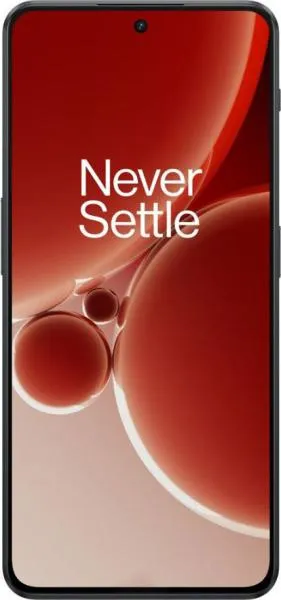
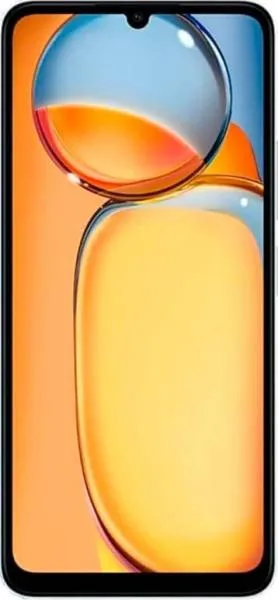
| Feature | OnePlus Nord 3 | Xiaomi Redmi 13C | Practical Impact |
|---|---|---|---|
| Design | |||
| Dimensions (mm) | 162 x 75.1 x 8.2 | 168 x 78 x 8.1 | Nord 3 is slightly smaller and thinner, potentially more comfortable for one-handed use. |
| Weight (g) | 193.5 | 192 | Negligible weight difference. |
| Build Materials | Not specified | Not specified | Unable to compare build quality and durability. |
| Display | |||
| Display Type | 6.74" Fluid AMOLED, 120Hz | 6.74" IPS LCD, 90Hz | Nord 3's AMOLED offers richer colors, deeper blacks, and higher peak brightness, resulting in a superior viewing experience, especially outdoors. The 120Hz refresh rate provides smoother animations and scrolling compared to the 90Hz on the Redmi 13C. |
| Resolution | 1240 x 2772 | 720 x 1600 | Significantly sharper and more detailed visuals on the Nord 3. Redmi 13C's lower resolution will result in pixelation and less clarity. |
| PPI | 451 | 260 | Nord 3's higher pixel density contributes to its sharper display. Text and images will appear clearer. |
| Performance | |||
| Chipset | Mediatek Dimensity 9000 (4 nm) | Mediatek Helio G85 (12 nm) | Nord 3 boasts a significantly more powerful processor built on a smaller node, resulting in much faster performance, better multitasking, and smoother gaming. |
| CPU | Octa-core (1x3.05 GHz Cortex-X2 & 3x2.85 GHz Cortex-A710 & 4x1.80 GHz Cortex-A510) | Octa-core (2x2.0 GHz Cortex-A75 & 6x1.8 GHz Cortex-A55) | Nord 3's CPU architecture is more modern and powerful, translating to noticeable performance gains in demanding tasks. |
| GPU | Mali-G710 MC10 | Mali-G52 MC2 | The Nord 3's GPU is considerably more powerful, enabling higher graphics settings and smoother gameplay in demanding games. |
| RAM | 8GB (in this configuration) | 4GB/6GB/8GB (depending on configuration) | More RAM in the compared Nord 3 configuration allows for better multitasking and smoother performance with multiple apps open. |
| Camera | |||
| Main Camera | 50MP Sony IMX890 | 50MP Samsung S5KJN1 | While both have 50MP sensors, the specific sensor in the Nord 3 (IMX890) is generally considered higher-quality, potentially offering better image quality. |
| Other Cameras | 8MP Wide, 2MP Macro, 16MP Selfie | 2MP Macro, 0.8MP unspecified, 5MP Selfie | Nord 3 offers a wider range of lenses and a higher resolution selfie camera. The unspecified 0.8MP camera on the Redmi 13C is unlikely to be very useful. |
| Video Recording | Up to 4K@60fps with EIS | Up to 1080p@30fps | Nord 3 allows for much higher resolution video recording with better stabilization. |
| Battery | |||
| Capacity | 5000 mAh | 5000 mAh | Similar battery capacities suggest comparable battery life, but real-world usage will depend on other factors like the display and processor efficiency. |
2. Key Differences Analysis
OnePlus Nord 3 Advantages:
- Significantly superior performance: The Dimensity 9000 chipset and more RAM provide a much smoother and faster experience for demanding tasks and gaming.
- Much better display: The AMOLED panel with 120Hz offers richer colors, deeper blacks, and smoother scrolling compared to the Redmi 13C's LCD.
- Higher resolution display: Sharper and more detailed visuals for a better viewing experience.
- More capable camera system: Higher resolution selfie camera, wider range of lenses, and 4K video recording.
Xiaomi Redmi 13C Advantages:
- Lower price: Significantly more affordable.
- Potentially longer battery life Although both have the same battery capacity, the less demanding hardware of the Redmi 13C might result in longer battery life. This is speculative without real-world testing.
Trade-offs:
- Performance vs. Price: The Nord 3 offers significantly better performance but comes at a higher price. The Redmi 13C compromises performance for affordability.
3. User Profiles & Recommendations
OnePlus Nord 3: Users who prioritize performance, a high-quality display, and a versatile camera, and are willing to pay a premium. Ideal for gamers, power users, and content creators.
Xiaomi Redmi 13C: Budget-conscious users who prioritize basic functionality, long battery life, and affordability over top-tier performance or display quality. Suitable for casual users primarily focused on communication, social media, and light web browsing.
4. Decision Framework
Key Questions for Buyers:
- What is your budget? The Redmi 13C is significantly cheaper.
- What are your primary use cases? For demanding tasks, the Nord 3 is a better choice. For basic use, the Redmi 13C might suffice.
- How important is display quality and performance? The Nord 3 significantly outperforms the Redmi 13C in these areas.
My Choice: OnePlus Nord 3
While the Redmi 13C offers excellent value for its price, the OnePlus Nord 3 is the superior device overall. Its vastly superior performance, stunning AMOLED display, and more capable camera system make it a much more compelling choice for me. I prioritize a smooth and responsive user experience, a high-quality display for media consumption, and the ability to run demanding applications and games without lag. The price difference is justifiable for the significant jump in quality and capabilities. Even though the Redmi 13C is a good budget option, the compromises in performance and display are too significant for my personal preferences.
