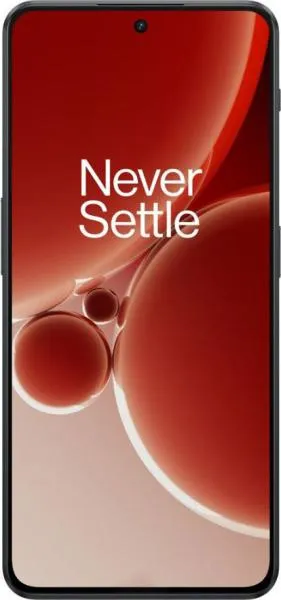
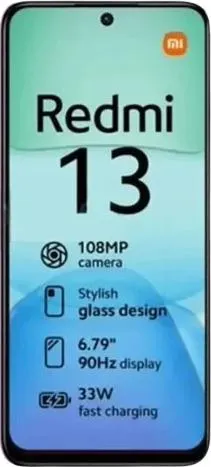
1. Specifications Comparison
| Feature | OnePlus Nord 3 | Xiaomi Redmi 13 | Practical Impact |
|---|---|---|---|
| Design | |||
| Dimensions (mm) | 162 x 75.1 x 8.2 | 168.6 x 76.3 x 8.3 | Redmi 13 is slightly larger and heavier. |
| Weight (g) | 193.5 | 205 | Noticeable difference in hand, Nord 3 feels lighter. |
| Fingerprint Sensor | Under display | Side-mounted | Preference-based, both reliable. |
| Display | |||
| Display Type | 6.74" Fluid AMOLED, 120Hz | 6.79" IPS LCD, 90Hz | Nord 3: Vivid colors, deeper blacks, smoother scrolling. Redmi 13: Less vibrant, potentially better in direct sunlight. |
| Resolution | 1240 x 2772 | 1080 x 2460 | Nord 3: Sharper, more detailed visuals. |
| Peak Brightness (nits) | 1450 | 550 (HBM) | Nord 3: Significantly brighter, better outdoor visibility. Redmi's HBM value unclear without further context. |
| Performance | |||
| Chipset | Dimensity 9000 (4nm) | Helio G91 Ultra (12nm) | Nord 3: Significantly faster CPU and GPU, smoother multitasking and gaming. More efficient power consumption due to smaller process node. |
| CPU | Octa-core (1x3.05 GHz X2 & 3x2.85 GHz A710 & 4x1.80 GHz A510) | Octa-core (2x2.0 GHz A75 & 6x1.8 GHz A55) | Nord 3: Superior processing power across demanding tasks. |
| GPU | Mali-G710 MC10 | Mali-G52 MC2 | Nord 3: Much more capable for gaming and graphics-intensive applications. |
| RAM | 8GB/16GB | 6GB/8GB | Nord 3 offers a higher RAM configuration, benefiting multitasking. |
| Camera | |||
| Main Camera | 50MP Sony IMX890 | 108MP (Sensor unspecified) | Nord 3: Likely better low-light performance and overall image quality due to the known sensor. Megapixel count doesn't guarantee better photos. |
| Ultrawide | 8MP Sony IMX355 | Not specified | Nord 3 has an ultrawide lens, Redmi 13 specifications unclear. |
| Video Recording | 4K@60fps with EIS | 1080p@30fps | Nord 3: Higher resolution and frame rate video recording with electronic image stabilization. |
| Battery | |||
| Capacity | 5000 mAh | 5030 mAh | Negligible difference in real-world usage. |
| OS | Android 13 | Android 14 | Redmi 13 ships with a newer Android version. Long-term updates are crucial and depend on manufacturer support. |
2. Key Differences Analysis
OnePlus Nord 3 Advantages:
- Significantly superior performance: Dimensity 9000 outclasses Helio G91 in CPU and GPU performance. Noticeable in gaming, multitasking, and app loading times.
- Brighter and smoother display: AMOLED with 120Hz offers vibrant colors, deeper blacks, and smoother scrolling compared to Redmi 13's 90Hz IPS LCD.
- Potentially better camera system: Known Sony sensor in the Nord 3 suggests better image quality, especially in low light. 4K@60fps video recording is a significant advantage.
Xiaomi Redmi 13 Advantages:
- Lower price: Significantly more affordable.
- Newer Android version: Ships with Android 14, but long-term support is crucial.
3. User Profiles & Recommendations
OnePlus Nord 3: Users who prioritize performance, a high-quality display, and a capable camera. Ideal for gamers, power users, and content consumers.
Xiaomi Redmi 13: Budget-conscious users who prioritize basic functionality and a large screen. Suitable for casual users primarily focused on communication, social media, and light web browsing.
4. Decision Framework
Key Questions for Buyers:
- What is your budget? Redmi 13 offers significant cost savings.
- What are your performance expectations? Nord 3 offers vastly superior performance for demanding tasks and gaming.
- How important is display and camera quality? Nord 3 provides a premium visual experience.
Scenario-Based Recommendations:
- Gamer: OnePlus Nord 3.
- Budget-conscious social media user: Xiaomi Redmi 13.
- Photographer/Videographer: OnePlus Nord 3.
My Choice: OnePlus Nord 3
While the Redmi 13 offers an attractive price point, the OnePlus Nord 3's superior performance, display, and camera system make it the better overall device. The Dimensity 9000 provides a significant leap in processing power, resulting in a smoother and more responsive user experience. The AMOLED display with a 120Hz refresh rate delivers vibrant visuals and fluid scrolling. While specifics about the Redmi 13's camera are limited, the Nord 3's known Sony sensor and 4K@60fps video recording capability point to a more compelling camera experience. The slightly higher price of the Nord 3 is justified by these substantial improvements in key areas. For my needs, which include gaming, photography, and general productivity, the Nord 3's performance advantage is crucial.
