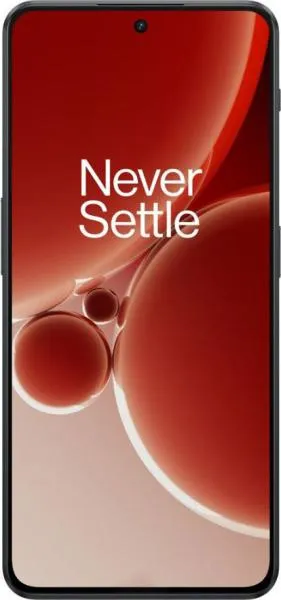
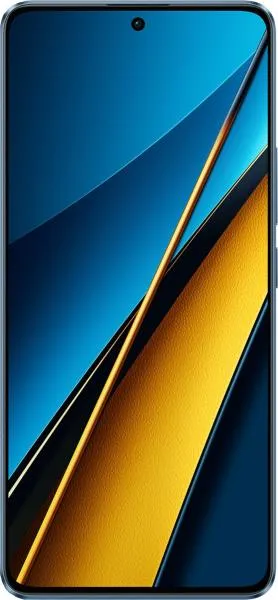
1. Specifications Comparison
| Feature | OnePlus Nord 3 | Xiaomi Poco X6 | Practical Impact |
|---|---|---|---|
| Design | |||
| Dimensions (mm) | 162 x 75.1 x 8.2 | 161.2 x 74.3 x 8 | Nord 3 is slightly taller and wider. Negligible difference in daily use. |
| Weight (g) | 193.5 | 181 | Poco X6 is noticeably lighter, improving one-handed use and portability. |
| Display | |||
| Size (inches) | 6.74 | 6.67 | Negligible size difference. |
| Resolution (px) | 1240 x 2772 | 1220 x 2712 | Both offer sharp, detailed visuals. Nord 3 slightly higher resolution but imperceptible in practice. |
| Type | Fluid AMOLED | AMOLED | Both offer vibrant colors and deep blacks. |
| Refresh Rate (Hz) | 120 | 120 | Both provide smooth scrolling and animations. |
| Peak Brightness (nits) | 1450 | 1800 | Poco X6 significantly brighter outdoors. |
| Color Depth | 1B | 68B | Poco X6 supports a wider color gamut, resulting in more accurate and nuanced colors in supported content. |
| HDR | HDR10+ | Dolby Vision | Both support HDR standards, improving video quality. Dolby Vision on the Poco X6 generally offers better dynamic range and color accuracy than HDR10+. |
| Performance | |||
| Chipset | MediaTek Dimensity 9000 (4 nm) | Qualcomm Snapdragon 7s Gen 2 (4 nm) | Dimensity 9000 generally offers superior CPU and GPU performance, leading to faster app loading, smoother multitasking, and better gaming performance. |
| CPU | Octa-core (1x3.05 GHz Cortex-X2 & 3x2.85 GHz Cortex-A710 & 4x1.80 GHz Cortex-A510) | Octa-core (4x2.40 GHz Cortex-A78 & 4x1.95 GHz Cortex-A55) | Nord 3's CPU architecture is more powerful. |
| GPU | Mali-G710 MC10 | Adreno 710 | Nord 3's GPU offers a performance advantage in demanding games and graphics-intensive tasks. |
| RAM (GB) | 8 | 12 | Poco X6 offers more RAM, enabling better multitasking and keeping more apps in memory. |
| Camera | |||
| Main Camera (MP) | 50 (Sony IMX890) | 64 (Omnivision OV64B) | Poco X6 has a higher resolution sensor. Image quality depends on processing, not just megapixels. |
| Ultrawide (MP) | 8 | 8 | Equivalent ultrawide cameras. |
| Selfie (MP) | 16 | 16 | Equivalent selfie cameras. |
| Video | 4K@60fps with EIS | 4K@30fps with EIS | Nord 3 can record 4K video at a higher frame rate. |
| Battery | |||
| Capacity (mAh) | 5000 | 5100 | Negligible difference in battery capacity. Real-world battery life depends on usage and optimization. |
2. Key Differences Analysis
OnePlus Nord 3 Advantages:
- Superior Performance: The Dimensity 9000 significantly outperforms the Snapdragon 7s Gen 2.
- Smoother 4K Video Recording: Capable of 4K@60fps.
Xiaomi Poco X6 Advantages:
- Brighter Display: Better visibility in direct sunlight.
- Wider Color Gamut: More accurate and vibrant colors.
- Lighter Design: More comfortable for extended use.
- More RAM: Better for multitasking.
- Lower Price: Generally more affordable.
3. User Profiles & Recommendations
OnePlus Nord 3: Users prioritizing performance for demanding tasks like gaming or video editing.
Xiaomi Poco X6: Users prioritizing media consumption (due to the brighter display and Dolby Vision) and budget-conscious buyers. Those who value a lighter phone.
4. Decision Framework
Key Questions for Buyers:
- What is your budget? The Poco X6 is generally more affordable.
- What are your primary use cases? Gaming and demanding tasks favor the Nord 3. Media consumption favors the Poco X6.
- Do you prioritize performance or display quality? The Nord 3 offers better performance while the Poco X6 has a superior display.
My Choice: OnePlus Nord 3
While the Poco X6 offers a compelling package with its bright display and attractive price, I would choose the OnePlus Nord 3 due to the significantly superior performance offered by the Dimensity 9000. The ability to record smoother 4K video is also a plus. As a power user, I prioritize performance and a smooth user experience, and the Nord 3 delivers in those areas. The slightly heavier weight and less bright display are acceptable trade-offs for the substantial performance gains. The difference in RAM is mitigated by the Nord 3's more efficient operating system and powerful processor. Ultimately, my decision prioritizes long-term usability and responsiveness over minor advantages in other areas.
