1. Specifications Comparison
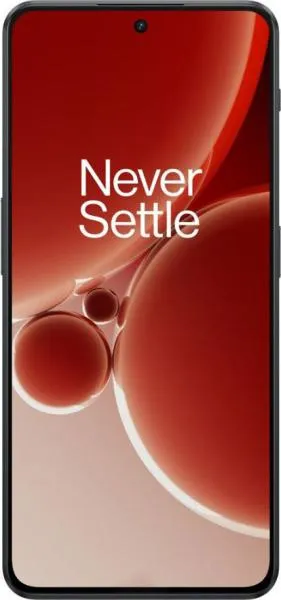
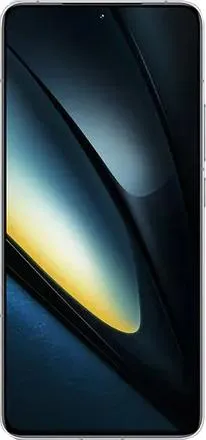
| Feature | OnePlus Nord 3 | Xiaomi Poco F6 Pro | Practical Impact |
|---|---|---|---|
| Design | |||
| Dimensions (mm) | 162 x 75.1 x 8.2 | 160.9 x 75 x 8.2 | Poco F6 Pro is slightly shorter and nearly identical in width and depth. Negligible real-world difference in hand feel. |
| Weight (g) | 193.5 | 209 | Nord 3 is noticeably lighter, improving one-handed use and reducing pocket fatigue. |
| Display | |||
| Size (inches) | 6.74 | 6.67 | Negligible size difference. |
| Resolution (px) | 1240 x 2772 | 1440 x 3200 | Poco F6 Pro has a sharper display with higher pixel density, resulting in crisper text and images. |
| Type | AMOLED | AMOLED | Both offer vibrant colors and deep blacks. |
| Refresh Rate (Hz) | 120 | 120 | Both offer smooth scrolling and animations. |
| Peak Brightness (nits) | 1450 | 4000 | Poco F6 Pro has significantly higher peak brightness, ensuring better visibility in direct sunlight. |
| Color Depth | 1B | 68B | Poco F6 Pro supports a wider color gamut, leading to more accurate and nuanced color reproduction. |
| HDR | HDR10+ | HDR10+, Dolby Vision | Poco F6 Pro adds Dolby Vision support, providing a superior HDR experience in supported content. |
| Performance | |||
| Chipset | Mediatek Dimensity 9000 (4 nm) | Qualcomm Snapdragon 8 Gen 2 (4 nm) | Snapdragon 8 Gen 2 generally offers better performance and efficiency compared to Dimensity 9000, especially in sustained workloads and gaming. |
| CPU | Octa-core (Cortex-X2, A710, A510) | Octa-core (Cortex-X3, A715, A710, A510) | Poco F6 Pro boasts a newer CPU architecture with faster clock speeds, translating to smoother multitasking and quicker app launches. |
| GPU | Mali-G710 MC10 | Adreno 740 | Adreno 740 provides a significant advantage in graphics performance, beneficial for demanding games and graphic-intensive tasks. |
| RAM (GB) | 8 | 12 | More RAM in Poco F6 Pro allows for more apps to run in the background without reloading, enhancing multitasking performance. The table only compares one configuration of each phone; others may exist. |
| Camera | |||
| Main Camera (MP) | 50 (Sony IMX890) | 50 (Omnivision OV50E) | Both have 50MP sensors. Real-world image quality will depend on image processing. |
| Video Recording | Up to 4K@60fps with EIS | Up to 8K@24fps with EIS | Poco F6 Pro offers 8K video recording, although practical usage is limited by storage space and playback compatibility. |
| Battery | |||
| Capacity (mAh) | 5000 | 5000 | Similar battery capacities suggest comparable battery life, though actual usage will depend on individual usage patterns and software optimization. |
2. Key Differences Analysis
OnePlus Nord 3 Advantages:
- Lighter Weight: More comfortable for extended use and one-handed operation.
- Lower Price: Generally more affordable, offering good value for its specifications. (Based on provided limited price data)
Xiaomi Poco F6 Pro Advantages:
- Significantly improved Performance: The Snapdragon 8 Gen 2 delivers a substantial performance advantage for demanding tasks and gaming.
- Sharper Display: Higher resolution and pixel density provide a noticeably crisper viewing experience.
- Brighter Display: Superior outdoor visibility.
- Better Color Accuracy & HDR: The wider color gamut and Dolby Vision support enhance media consumption.
- 8K Video Recording: Offers higher resolution video recording, though practical benefits are limited.
3. User Profiles & Recommendations
OnePlus Nord 3:
- Ideal User: Budget-conscious users prioritizing a lightweight and smooth everyday experience for general use, social media, and light gaming.
- Use Cases: Web browsing, social media, casual photography, video streaming.
Xiaomi Poco F6 Pro:
- Ideal User: Power users and mobile gamers seeking top-tier performance, a vibrant display, and advanced camera features.
- Use Cases: Demanding gaming, video editing, professional photography, consuming HDR content.
4. Decision Framework
Key Questions for Buyers:
- What is your budget? The Nord 3 offers excellent value, while the Poco F6 Pro commands a premium for its superior performance.
- What are your primary use cases? For everyday tasks, the Nord 3 is sufficient. For demanding gaming and content creation, the Poco F6 Pro excels.
- Do you prioritize a lightweight phone? The Nord 3's lighter weight significantly enhances comfort.
Scenario-Based Recommendations:
- Tight Budget: OnePlus Nord 3
- Heavy Gamer: Xiaomi Poco F6 Pro
- Photographer/Videographer: Xiaomi Poco F6 Pro (considering the superior camera features and processing capabilities of the newer chipset, though detailed camera comparisons were not possible with the provided information)
My Choice: Xiaomi Poco F6 Pro
While the OnePlus Nord 3 offers excellent value, the Xiaomi Poco F6 Pro is the clear winner for me. The superior performance of the Snapdragon 8 Gen 2, combined with the stunning display, makes a significant difference in the overall user experience. The brighter screen, wider color gamut, and Dolby Vision support greatly enhance media consumption. Although I appreciate the lighter weight of the Nord 3, the performance and display advantages of the Poco F6 Pro outweigh the slight increase in weight. The higher RAM capacity also future-proofs the device for longer-term use. Finally, as a tech enthusiast, I value the cutting-edge features offered by the Poco F6 Pro, even if some, like 8K video recording, have limited practical use currently. The price difference is justifiable for the substantial leap in performance and features.
