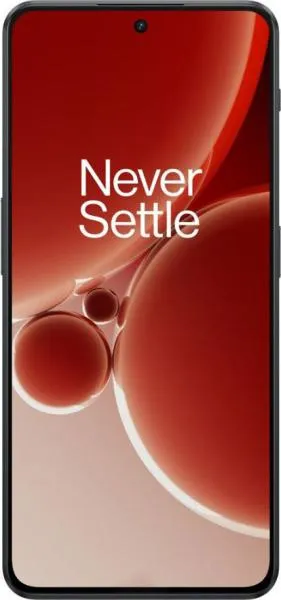
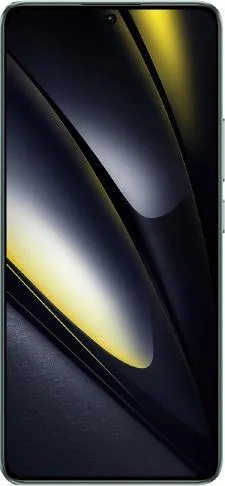
1. Specifications Comparison
| Feature | OnePlus Nord 3 | Xiaomi Poco F6 | Practical Impact |
|---|---|---|---|
| Design | |||
| Dimensions (mm) | 162 x 75.1 x 8.2 | 160.5 x 74.5 x 8 | Poco F6 is slightly shorter and narrower, potentially offering a better one-handed grip. |
| Weight (g) | 193.5 | 179 | Poco F6 is noticeably lighter, reducing hand fatigue during extended use. |
| Display | |||
| Display Size (inches) | 6.74 | 6.67 | Negligible difference in screen real estate. |
| Resolution (px) | 1240 x 2772 | 1220 x 2712 | Virtually identical sharpness; both offer crisp visuals. |
| Display Type | AMOLED | AMOLED | Both offer vibrant colors and deep blacks. |
| Refresh Rate (Hz) | 120 | 120 | Both offer smooth scrolling and animations. |
| Peak Brightness (nits) | 1450 | 2400 | Poco F6's significantly higher peak brightness ensures better visibility in direct sunlight. |
| Color Depth | 1B | 68B | Poco F6 supports a wider color gamut, resulting in more accurate and nuanced color representation. |
| HDR Support | HDR10+ | HDR10+, Dolby Vision | Poco F6 adds Dolby Vision support, potentially offering a better HDR viewing experience in compatible content. |
| Performance | |||
| Chipset | MediaTek Dimensity 9000 (4 nm) | Qualcomm Snapdragon 8s Gen 3 (4 nm) | Both are high-performance chipsets; Snapdragon 8s Gen 3 is generally considered slightly more powerful, but real-world performance differences may be minimal for average users. |
| CPU | Octa-core (1x3.05 GHz Cortex-X2 & 3x2.85 GHz Cortex-A710 & 4x1.80 GHz Cortex-A510) | Octa-core (1x3.0 GHz Cortex-X4 & 4x2.8 GHz Cortex-A720 & 3x2.0 GHz Cortex-A520) | Both offer excellent multi-core performance; differences in core configurations might favor specific workloads, but overall performance should be comparable. |
| GPU | Mali-G710 MC10 | Adreno 735 | Adreno 735 generally offers better gaming performance compared to Mali-G710 MC10. |
| RAM (GB) | 8 (listed example) | 8/12 (depending on version) | Poco F6 offers configurations with more RAM, enabling better multitasking and potentially smoother performance with demanding apps. |
| Camera | |||
| Main Camera (MP) | 50 (Sony IMX890) | 50 (Sony IMX882) | Both use high-quality Sony sensors; slight differences in sensor model may lead to minor variations in image quality. More analysis is needed based on real-world camera reviews. |
| Ultrawide (MP) | 8 | 8 | Comparable ultrawide cameras. |
| Macro (MP) | 2 | Not specified | Nord 3 has a dedicated macro lens, while Poco F6's macro capabilities are unclear. |
| Selfie (MP) | 16 | 20 | Poco F6 has a higher resolution selfie camera. |
| Battery | |||
| Capacity (mAh) | 5000 | 5000 | Identical battery capacity; actual battery life depends on usage and optimization. |
2. Key Differences Analysis
OnePlus Nord 3 Advantages:
- Dedicated macro camera: Offers dedicated macro photography capabilities.
- Potentially wider availability: OnePlus phones often have wider global availability compared to some Xiaomi models.
Xiaomi Poco F6 Advantages:
- Brighter Display: Significantly brighter display for excellent outdoor visibility.
- Wider Color Gamut: More accurate and vivid color representation.
- Dolby Vision: Enhanced HDR experience for compatible content.
- More Powerful GPU: Potentially better gaming performance.
- Higher Resolution Selfie Camera: Better quality selfies.
- More RAM Options: Configurations with higher RAM for smoother multitasking.
- Slightly Lighter and More Compact: Enhanced ergonomics for one-handed use.
3. User Profiles & Recommendations
OnePlus Nord 3: Users who prioritize a dedicated macro camera and potentially wider availability.
Xiaomi Poco F6: Users who value a brighter display for outdoor use, better gaming performance, superior HDR video playback, and smoother multitasking with the higher RAM options. Photographers might prefer this for the improved main and selfie camera sensors.
4. Decision Framework
Key Questions for Buyers:
- How important is outdoor visibility? If you frequently use your phone in direct sunlight, the Poco F6's brighter display is a significant advantage.
- Are you a mobile gamer? The Poco F6's Adreno 735 GPU offers a noticeable advantage for gaming performance.
- What is your budget and required storage? Consider the available RAM and storage options for each phone and compare prices within your budget.
My Choice: Xiaomi Poco F6
While the OnePlus Nord 3 is a solid device, the Xiaomi Poco F6 offers a more compelling overall package for my needs. The significantly brighter display, superior color reproduction with Dolby Vision, potentially better gaming performance due to the Adreno 735 GPU, and more RAM options are key factors influencing my decision. The slightly lighter and more compact design is also appealing. While the lack of clear information on the Poco F6's macro capabilities is a slight drawback, the overall advantages outweigh this minor concern for me. The higher resolution selfie camera is a bonus for video calls and self-portraits. Ultimately, the Poco F6 provides a more future-proof and enjoyable user experience in my opinion.
