1. Specifications Comparison
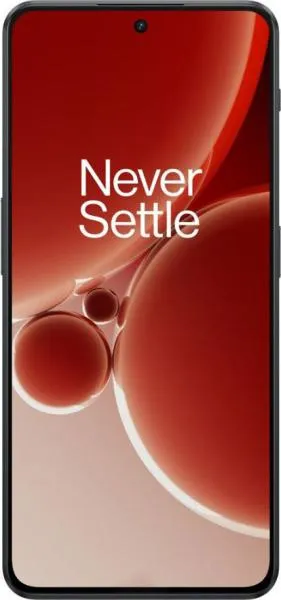
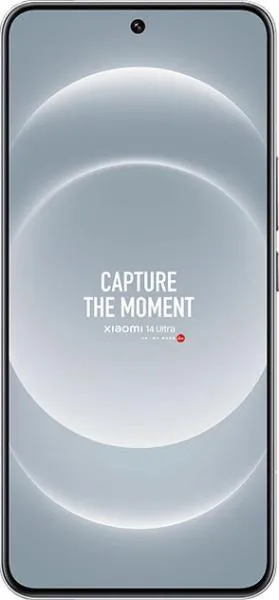
| Feature | OnePlus Nord 3 | Xiaomi 14 Ultra | Practical Impact |
|---|---|---|---|
| Design | |||
| Dimensions (mm) | 162 x 75.1 x 8.2 | 161.4 x 75.3 x 9.2 | Xiaomi 14 Ultra is slightly shorter and wider, but noticeably thicker. Nord 3 is lighter. Xiaomi's thickness might accommodate a larger camera sensor. |
| Weight (g) | 193.5 | 229.5 | Nord 3 is significantly lighter, making it more comfortable for one-handed use and extended periods. |
| Display | |||
| Display Size (inches) | 6.74 | 6.73 | Virtually identical screen sizes. |
| Resolution | 1240 x 2772 | 1440 x 3200 | Xiaomi 14 Ultra has a sharper display with higher pixel density, resulting in crisper text and images. |
| Display Type | Fluid AMOLED, 120Hz | LTPO AMOLED, 120Hz | Both are AMOLED with 120Hz refresh rate, ensuring smooth visuals. Xiaomi's LTPO allows for variable refresh rate, potentially saving battery. Xiaomi boasts significantly higher peak brightness (3000 vs 1450 nits) making it much more usable in direct sunlight. |
| Color Depth | 1B | 68B | Xiaomi 14 Ultra supports a wider color gamut, offering more vibrant and accurate colors, especially beneficial for content creators and media consumption. |
| Performance | |||
| Chipset | MediaTek Dimensity 9000 (4nm) | Qualcomm Snapdragon 8 Gen 3 (4nm) | Snapdragon 8 Gen 3 is generally considered a more powerful and efficient chip, likely leading to better performance and battery life in the Xiaomi. |
| CPU | Octa-core (Cortex-X2, A710, A510) | Octa-core (Cortex-X4, A720, A520) | Newer generation CPU architecture in the Xiaomi should translate to faster processing and improved multitasking. |
| GPU | Mali-G710 MC10 | Adreno 750 | Adreno 750 generally offers better gaming performance than Mali-G710. |
| RAM | 8GB (reviewed model) | 16GB (reviewed model) | Xiaomi has double the RAM, enabling significantly smoother multitasking and preventing app closures in the background. |
| Camera | |||
| Main Camera | 50MP, Sony IMX890 | 50MP, Sony LYT-900, 1-inch sensor | Xiaomi features a larger 1-inch sensor, enabling superior low-light performance and depth of field. |
| Ultrawide | 8MP | 50MP | Xiaomi's ultrawide boasts a much higher resolution, producing detailed and sharp wide-angle shots. |
| Telephoto | No dedicated telephoto lens | Two 50MP telephoto lenses | Xiaomi offers significant zoom capabilities with two telephoto lenses, enabling versatile photography. |
| Video | 4K@60fps | 8K@30fps | Xiaomi can record higher resolution video. |
| Battery | |||
| Capacity | 5000 mAh | 5000 mAh | Identical battery capacities. Real-world battery life will depend on software optimization and usage patterns. |
| USB Version | USB Type-C 2.0 | USB Type-C 3.2 Gen 2 | Xiaomi supports faster data transfer speeds and potentially faster charging (depending on the charger used). |
2. Key Differences Analysis
OnePlus Nord 3 Advantages:
- Lighter and thinner: More comfortable for one-handed use.
- Lower price: Offers a more budget-friendly option.
Xiaomi 14 Ultra Advantages:
- Significantly more powerful: Snapdragon 8 Gen 3, more RAM for superior performance.
- Higher resolution display: Sharper visuals and more vibrant colors.
- Superior camera system: Larger sensor, versatile lenses, better low-light performance, 8K video recording.
- Faster data transfer: USB 3.2 Gen 2.
3. User Profiles & Recommendations
OnePlus Nord 3:
- Budget-conscious users: Seeking a good balance of performance and affordability.
- Casual users: Primarily using their phone for social media, browsing, and light gaming.
- Users prioritizing comfort: Preferring a lighter and thinner device.
Xiaomi 14 Ultra:
- Power users: Demanding top-tier performance for gaming, multitasking, and demanding applications.
- Photography enthusiasts: Prioritizing a versatile and high-quality camera system.
- Content creators: Requiring high-resolution video recording capabilities.
4. Decision Framework
Key Questions for Buyers:
- What is your budget? The Xiaomi 14 Ultra is significantly more expensive.
- What are your primary phone usage patterns? Casual users might find the Nord 3 sufficient.
- How important is camera quality to you? The Xiaomi offers a major step up in imaging capabilities.
Scenario-Based Recommendations:
- Tight budget, casual usage: OnePlus Nord 3
- Demanding tasks, photography enthusiast: Xiaomi 14 Ultra
My Choice: Xiaomi 14 Ultra
While the OnePlus Nord 3 offers excellent value for its price, the Xiaomi 14 Ultra is the clear winner for me. The superior performance of the Snapdragon 8 Gen 3, coupled with 16GB of RAM, ensures a smooth and future-proof experience. The significantly improved camera system, with its larger sensor and versatile lens setup, is a huge draw for me. While the higher price is a factor, the significant jump in capabilities justifies the investment for my needs. The lighter weight of the Nord 3 is tempting, but the overall package of the Xiaomi 14 Ultra, including the brighter, higher resolution display, is more compelling. I prioritize performance, camera quality, and a future-proof device, making the Xiaomi 14 Ultra the better choice for me.
