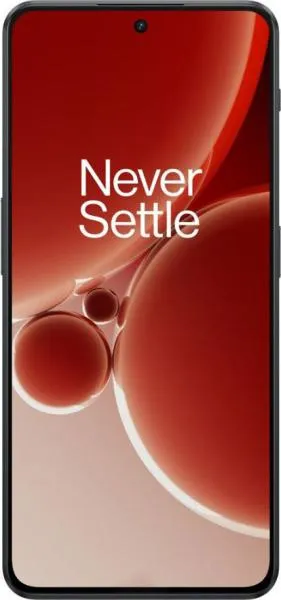
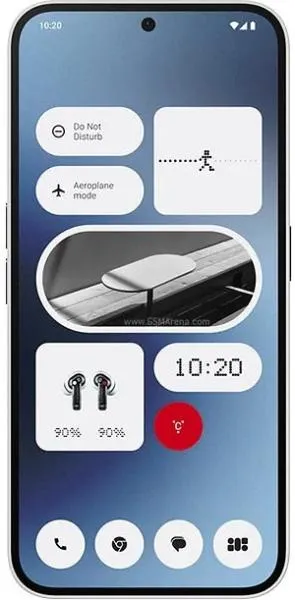
1. Specifications Comparison
| Feature | OnePlus Nord 3 | Nothing Phone (2a) | Practical Impact |
|---|---|---|---|
| Design | |||
| Dimensions | 162x75.1x8.2mm | 161.7x76.3x8.6mm | Nord 3 is slightly taller and thinner, Phone (2a) slightly wider and thicker. Negligible difference in daily use. |
| Weight | 193.5g | 190g | Negligible weight difference. |
| Build Materials | Missing | Missing | Build quality and durability cannot be compared without this information. |
| Display | |||
| Size | 6.74" | 6.7" | Virtually identical screen sizes. |
| Type | Fluid AMOLED, 120Hz, HDR10+ | AMOLED, 120Hz, HDR10+ | Both offer smooth scrolling and vivid colors. Fluid AMOLED might offer slightly better motion clarity. |
| Resolution | 1240x2772 | 1080x2412 | Nord 3 has a sharper display (451 ppi vs 394 ppi), noticeable in text clarity and image detail. |
| Peak Brightness | 1450 nits | 1300 nits | Nord 3 gets slightly brighter, improving outdoor visibility. |
| Performance | |||
| Chipset | Dimensity 9000 (4nm) | Dimensity 7200 Pro (4nm) | Dimensity 9000 offers significantly better CPU and GPU performance, resulting in faster app loading, smoother gaming, and multitasking. |
| CPU | Octa-core (1x3.05 GHz Cortex-X2...) | Octa-core (2x2.8 GHz Cortex-A715...) | Nord 3's CPU architecture is more powerful, resulting in snappier performance. |
| GPU | Mali-G710 MC10 | Mali-G610 MC4 | Nord 3's GPU is significantly more powerful, resulting in a better gaming experience. |
| RAM | 16GB | 12GB | Nord 3 offers more RAM for better multitasking and app retention. |
| Storage | 256GB | 256GB | Both offer ample storage. |
| Camera | Camera sensor specifications and lens details are missing, making a detailed comparison impossible. | ||
| Video Capabilities | 4K@30/60fps, 1080p@30/60/120fps | 4K@30fps, 1080p@60/120fps | Nord 3 offers 4K@60fps recording, which the Phone (2a) lacks. |
| Battery | |||
| Capacity | 5000 mAh | 5000 mAh | Identical battery capacity. Real-world battery life depends on optimization and usage patterns. |
2. Key Differences Analysis
OnePlus Nord 3 Advantages:
- Significantly more powerful: The Dimensity 9000 outperforms the Dimensity 7200 Pro in CPU and GPU performance, leading to a smoother and faster overall experience.
- Sharper display: Higher resolution results in better clarity.
- Brighter display: Improves outdoor readability.
- More RAM: Enables better multitasking.
Nothing Phone (2a) Advantages:
- Potentially more affordable: While both are mid-range, the newer release date of the Nord 3 might make the Phone (2a) slightly cheaper.
- More Color Options: Offers greater aesthetic customization.
- Newer OS at Launch: Launched with Android 14 vs Android 13.
Trade-offs:
- Performance vs. Price: The Nord 3 offers superior performance, but might come at a slightly higher price.
- Resolution vs. Battery Life: The Nord 3's higher resolution display might consume more power than the Phone (2a)'s lower resolution display.
3. User Profiles & Recommendations
OnePlus Nord 3: Ideal for users who prioritize performance, a sharp display, and smooth multitasking. Suitable for demanding tasks like gaming, video editing, and heavy app usage.
Nothing Phone (2a): Suitable for users who prioritize a stylish design, a good balance of features, and potentially a lower price point. Good for everyday tasks like web browsing, social media, and casual gaming.
4. Decision Framework
Key Questions for Buyers:
- What is your budget? The Nord 3 might be slightly more expensive.
- What are your primary use cases? Gamers and power users will benefit from the Nord 3's performance.
- How important is display sharpness? The Nord 3 offers a noticeably sharper display.
Scenario-Based Recommendations:
- Gamer: OnePlus Nord 3
- Budget-conscious user: Nothing Phone (2a)
- Power user: OnePlus Nord 3
- Casual user: Either phone, depending on specific needs and budget.
My Choice: OnePlus Nord 3
While lacking camera details for a complete assessment, the OnePlus Nord 3's superior performance due to the Dimensity 9000, coupled with the sharper and brighter display, makes it the more compelling choice for me. I prioritize a smooth and responsive user experience, especially for multitasking and demanding applications. The extra RAM is a welcome addition for future-proofing. The slight price difference, if any, is justifiable for the significant performance gains. The Nothing Phone (2a) is a decent option, but its performance compromises wouldn't satisfy my usage patterns.
