1. Specifications Comparison
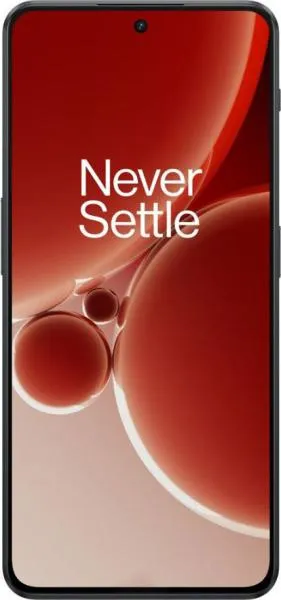
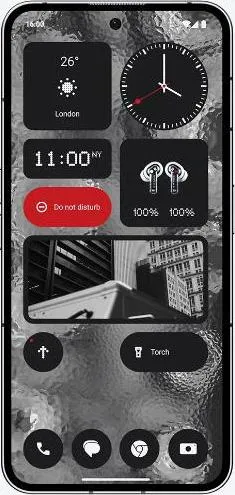
| Feature | OnePlus Nord 3 | Nothing Phone (2) | Practical Impact |
|---|---|---|---|
| Design | |||
| Dimensions | 162 x 75.1 x 8.2 mm | 162.1 x 76.4 x 8.6 mm | The Nothing Phone (2) is slightly larger and thicker. Negligible difference in everyday use. |
| Weight | 193.5 g | 201.2 g | The OnePlus is noticeably lighter, reducing hand fatigue during extended use. |
| Display | |||
| Size | 6.74" | 6.7" | Negligible size difference. |
| Type | Fluid AMOLED, 120Hz | LTPO OLED, 120Hz | Both offer smooth scrolling and animations. LTPO allows for dynamic refresh rate adjustment, potentially saving battery. |
| Resolution | 1240 x 2772 | 1080 x 2412 | The Nord 3 has a sharper display (451 ppi vs 394 ppi), resulting in clearer text and images. |
| Peak Brightness | 1450 nits | 1600 nits | The Nothing Phone (2) can get slightly brighter, improving outdoor visibility. |
| Performance | |||
| Chipset | MediaTek Dimensity 9000 (4 nm) | Qualcomm Snapdragon 8+ Gen 1 (4 nm) | Both are high-performance chipsets, capable of handling demanding tasks and gaming. Snapdragon 8+ Gen 1 generally benchmarks slightly higher. |
| CPU | Octa-core (1x3.05 GHz Cortex-X2 & 3x2.85 GHz Cortex-A710 & 4x1.80 GHz Cortex-A510) | Octa-core (1x3.0 GHz Cortex-X2 & 3x2.5 GHz Cortex-A710 & 4x1.80 GHz Cortex-A510) | Minor clock speed differences likely won't translate to noticeable real-world performance variations for average users. |
| GPU | Mali-G710 MC10 | Adreno 730 | Adreno 730 generally provides better gaming performance and graphics rendering compared to Mali-G710. |
| RAM | 16GB | 12GB | 16GB RAM on the Nord 3 offers more headroom for multitasking and keeping apps open in the background, though 12GB is still ample for most users. |
| Storage | 256GB | 256GB/512GB | The Nothing Phone (2) offers a 512GB storage option for users needing more space. |
| Battery | |||
| Capacity | 5000 mAh | 4700 mAh | The Nord 3 has a larger battery, potentially leading to longer battery life. |
| Camera | |||
| Video Capabilities | 4K@30/60fps, 1080p@30/60/120fps (EIS) | 4K@30/60fps, 1080p@30/60fps (HDR, OIS, EIS) | Both offer similar resolution and frame rate options. The Nothing Phone (2) benefits from OIS (optical image stabilization) for smoother video recording. Missing details on specific camera sensors make a full comparison impossible. |
2. Key Differences Analysis
OnePlus Nord 3 Advantages:
- Sharper Display: Higher resolution leads to a more detailed viewing experience.
- Larger Battery: Potentially longer battery life.
- Lighter Weight: More comfortable for extended use.
- More RAM: Better multitasking performance.
Nothing Phone (2) Advantages:
- Brighter Display: Improved outdoor visibility.
- Slightly Better GPU: Advantage in demanding games and graphics-intensive tasks.
- OIS for Video: Smoother and more stable video recording.
- Larger Storage Option: 512GB option available for users with high storage needs.
3. User Profiles & Recommendations
OnePlus Nord 3: Ideal for users who prioritize battery life, a sharp display, and a lightweight design. Suitable for everyday tasks, media consumption, and moderate gaming.
Nothing Phone (2): Suitable for users who prioritize a bright display, top-tier gaming performance, smooth video recording, and potentially need ample storage (with the 512GB option). Good for power users, mobile gamers, and content creators.
4. Decision Framework
Key Questions for Buyers:
- What is your budget? Both phones are in the mid-range, but specific pricing may vary.
- What are your primary use cases? (e.g., gaming, photography, everyday use)
- Which features are most important to you? (e.g., battery life, display quality, performance)
My Choice: OnePlus Nord 3
While the Nothing Phone (2) boasts a slightly more powerful GPU and OIS, the OnePlus Nord 3's combination of a sharper display, larger battery, lighter weight, and more RAM for a potentially lower price makes it a more compelling overall package for my needs. I prioritize battery life and a comfortable in-hand feel for everyday use, and the sharper display is a significant advantage for reading and media consumption. The performance difference between the two chipsets is unlikely to be noticeable in my typical usage. The lack of OIS is a drawback, but not a dealbreaker for me.
