1. Specifications Comparison
| Feature | OnePlus Nord 3 | Google Pixel 8a | Practical Impact |
|---|---|---|---|
| Design | |||
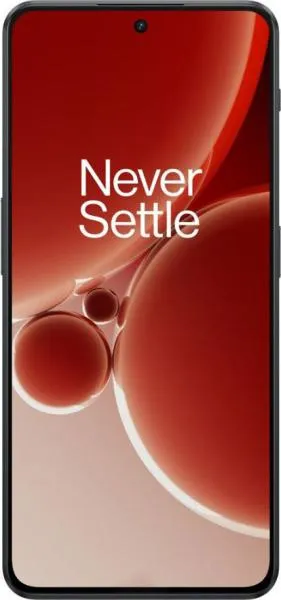
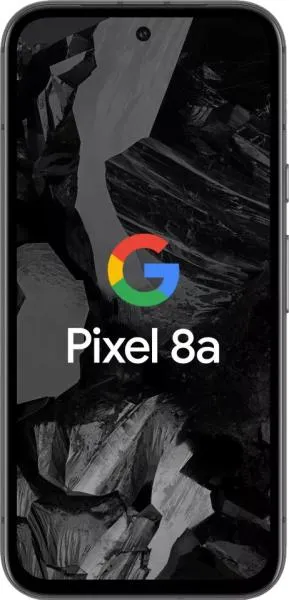
| Dimensions | 162 x 75.1 x 8.2 mm | 152.1 x 72.7 x 8.9 mm | Pixel 8a is noticeably smaller and might be more comfortable for one-handed use. Nord 3 is thinner. |
| Weight | 193.5 g | 188 g | Pixel 8a is slightly lighter, reducing hand fatigue during extended use. |
| Build Materials | Not specified | Not specified | Cannot compare build quality and durability without material information. |
| Display | |||
| Display Type | Fluid AMOLED, 1B colors, 120Hz, HDR10+ | OLED, HDR, 120Hz | Both offer smooth scrolling and vibrant colors thanks to 120Hz refresh rate and OLED technology. Nord 3 boasts a 1 Billion color display offering potentially smoother color gradients. |
| Display Size | 6.74" | 6.1" | Nord 3 offers a significantly larger screen for media consumption and multitasking, while Pixel 8a provides a more pocketable form factor. |
| Resolution | 1240 x 2772 | 1080 x 2400 | Nord 3 has a sharper display (451 ppi vs 430 ppi), resulting in crisper text and images. Difference might not be noticeable for average users. |
| Peak Brightness | 1450 nits | 2000 nits | Pixel 8a's significantly higher peak brightness ensures better visibility in direct sunlight. |
| Performance | |||
| Chipset | Mediatek Dimensity 9000 (4 nm) | Google Tensor G3 (4 nm) | Both are powerful processors built on a 4nm process, promising excellent performance. Tensor G3 is known for its AI capabilities. |
| CPU | Octa-core (1x3.05 GHz Cortex-X2 & 3x2.85 GHz Cortex-A710 & 4x1.80 GHz Cortex-A510) | Nona-core (1x3.0 GHz Cortex-X3 & 4x2.45 GHz Cortex-A715 & 4x2.15 GHz Cortex-A510) | Both CPUs are high-performance; real-world differences likely depend on software optimization rather than raw clock speeds. Tensor G3's architecture might offer better efficiency. |
| GPU | Mali-G710 MC10 | Immortalis-G715s MC10 | Both GPUs are capable for gaming and demanding tasks; specific performance depends on game optimization. |
| RAM | 16GB | 8GB | Nord 3's larger RAM enables smoother multitasking and better handling of demanding applications. |
| Storage | 256GB | 256GB | Both phones offer the same storage capacity. |
| Camera | |||
| Rear Camera | Not specified | Not specified | Camera quality cannot be compared without detailed sensor and lens specifications. |
| Video Capabilities | 4K@30/60fps, 1080p@30/60/120fps (EIS) | 4K@30/60fps, 1080p@30/60/120/240fps (OIS) | Both offer extensive video recording options. Pixel 8a benefits from Optical Image Stabilization (OIS) for potentially smoother videos, especially in low light. Nord 3 relies on Electronic Image Stabilization (EIS). |
| Battery | |||
| Capacity | 5000 mAh | 4492 mAh | Nord 3 has a larger battery capacity, potentially offering longer battery life. Actual usage depends on various factors. |
| Charging Speed | Not specified | Not specified | Cannot compare charging speeds without specific data. |
| Software | |||
| OS | Android 13 | Android 14 | Pixel 8a launches with the latest Android version and is guaranteed longer OS and security updates. |
2. Key Differences Analysis
OnePlus Nord 3 Advantages:
- Larger Display: Better for media consumption and multitasking.
- Sharper Display: Slightly crisper text and images.
- More RAM: Smoother multitasking and performance.
- Larger Battery: Potentially longer battery life.
Google Pixel 8a Advantages:
- More Compact: Easier one-handed use and portability.
- Brighter Display: Superior outdoor visibility.
- Latest Android Version & Longer Support: Access to new features and security updates for a longer period.
- Optical Image Stabilization (OIS) for Video: Smoother and more stable video recording.
- Tensor G3 with AI Capabilities: Potential for unique AI-powered features and optimizations.
3. User Profiles & Recommendations
OnePlus Nord 3: Users prioritizing a large, sharp display, strong performance, and potentially longer battery life. Ideal for media consumption, multitasking, and gaming.
Google Pixel 8a: Users who value a compact phone with a bright display, the latest software and long-term updates, and excellent camera features, particularly video recording. Best for those seeking a pocketable and future-proof device with a clean Android experience.
4. Decision Framework
Key Questions for Buyers:
- Screen Size Preference: Do you prioritize a large screen for media or a compact phone for one-handed use?
- Software Updates: How important are the latest Android features and long-term security updates?
- Camera Usage: Is video recording a priority? If so, OIS on the Pixel 8a might be a significant advantage.
My Choice: Google Pixel 8a
While the OnePlus Nord 3 offers a larger display and more RAM, the Google Pixel 8a's compact size, brighter display, guaranteed longer software support, OIS for video, and the AI capabilities of the Tensor G3 chip make it a more compelling overall package for me. I prioritize software updates, camera quality, and a comfortable form factor over a slightly larger screen and extra RAM. The Pixel's cleaner software experience and timely updates are also a major draw. While battery life is a concern with the smaller battery, the Tensor G3's efficiency might mitigate this difference in real-world usage. Ultimately, the Pixel 8a's combination of features better aligns with my personal preferences and usage patterns.
