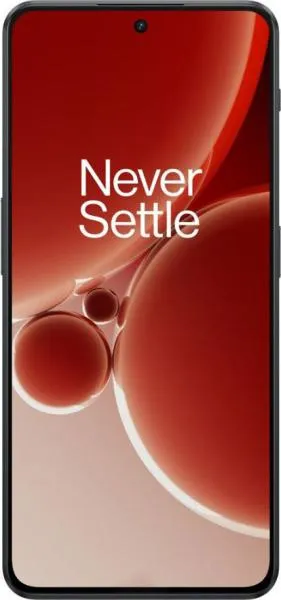

1. Specifications Comparison
| Feature | OnePlus Nord 3 | Google Pixel 8 Pro | Practical Impact |
|---|---|---|---|
| Design | |||
| Dimensions (mm) | 162 x 75.1 x 8.2 | 162.6 x 76.5 x 8.8 | Pixel 8 Pro is slightly larger and thicker. |
| Weight (g) | 193.5 | 213 | Nord 3 is noticeably lighter, reducing hand fatigue during extended use. |
| Build Materials | Not specified | Not specified | Build quality and durability cannot be compared without further information. |
| Display | |||
| Size (inches) | 6.74 | 6.7 | Negligible size difference in real-world usage. |
| Type | Fluid AMOLED, 120Hz | LTPO OLED, 120Hz | Both offer smooth scrolling and animations. LTPO on Pixel allows for more granular refresh rate control, potentially saving battery. |
| Resolution | 1240 x 2772 | 1344 x 2992 | Pixel 8 Pro has a slightly sharper display due to higher resolution, but the difference is minimal. |
| Peak Brightness (nits) | 1450 | 2400 | Pixel 8 Pro offers significantly higher peak brightness, improving outdoor visibility. |
| Performance | |||
| Chipset | Mediatek Dimensity 9000 (4 nm) | Google Tensor G3 (4 nm) | Both are high-performance chipsets, but Tensor G3 is optimized for AI and machine learning tasks. |
| CPU | Octa-core (1x3.05 GHz Cortex-X2 & 3x2.85 GHz Cortex-A710 & 4x1.80 GHz Cortex-A510) | Nona-core (1x3.0 GHz Cortex-X3 & 4x2.45 GHz Cortex-A715 & 4x2.15 GHz Cortex-A510) | Both offer excellent performance, but specific benchmarks are needed for detailed comparison. Tensor G3's architecture might provide better efficiency. |
| GPU | Mali-G710 MC10 | Immortalis-G715s MC10 | Immortalis-G715s MC10 generally offers better gaming performance. |
| RAM | 16GB | 12GB | Nord 3 has more RAM, potentially benefiting multitasking and heavy app usage. However, RAM management also plays a crucial role. |
| Storage | 256GB | 256GB/512GB/1TB | Pixel 8 Pro offers more storage options for users with high storage demands. |
| Battery | |||
| Capacity (mAh) | 5000 | 5050 | Negligible difference in battery capacity. Real-world battery life depends on optimization and usage patterns. |
| Camera | |||
| Video Capabilities | Up to 4K@60fps | Up to 4K@60fps, 1080p@240fps | Pixel generally excels in image processing; however, specific camera sensor details and software features are missing for in-depth comparison. Pixel offers higher frame rate slow-motion video recording. |
| Software | |||
| OS | Android 13 | Android 14 | Pixel 8 Pro comes with the latest Android version and will receive longer software updates directly from Google. |
2. Key Differences Analysis
OnePlus Nord 3 Advantages:
- Lighter and potentially more comfortable to hold.
- More RAM: Potentially better for multitasking.
Google Pixel 8 Pro Advantages:
- Brighter Display: Superior outdoor visibility.
- More Storage Options: Caters to various user needs.
- Latest Android Version and Longer Software Support: Ensures up-to-date features and security patches.
- Potentially Better GPU: Advantageous for gaming.
- Higher Slow-Motion Frame Rate: More creative video recording options.
- Generally Better Camera Performance (Based on Pixel's reputation): Expected to provide superior image quality, but requires detailed camera specs for confirmation.
3. User Profiles & Recommendations
OnePlus Nord 3: Users prioritizing a lighter phone, heavy multitasking, and a more affordable option within the medium price range.
Google Pixel 8 Pro: Users prioritizing the latest software, longer support, a brighter display, ample storage options, superior camera performance (expected based on Pixel's track record), and willing to pay a premium within the medium price range.
4. Decision Framework
Key Questions for Buyers:
- How important is software update longevity and the latest Android features?
- Is a brighter display for outdoor use crucial?
- What is your budget and storage requirement?
Scenario-Based Recommendations:
- Prioritize latest software and camera: Pixel 8 Pro
- Prioritize lighter weight and value for money: OnePlus Nord 3
My Choice: Google Pixel 8 Pro
Reasoning: While the OnePlus Nord 3 offers more RAM and a lighter design, the Pixel 8 Pro's advantages in software support, display brightness, storage options, expected camera performance (based on Google's historical excellence in this area), and potentially better GPU outweigh those benefits for me. Longer software updates are crucial for security and new features. The brighter display is a significant advantage for outdoor use. Although I appreciate a lighter phone, the Pixel 8 Pro's overall package is more compelling. The potential for a superior camera and gaming experience further solidifies my choice.
