1. Specifications Comparison
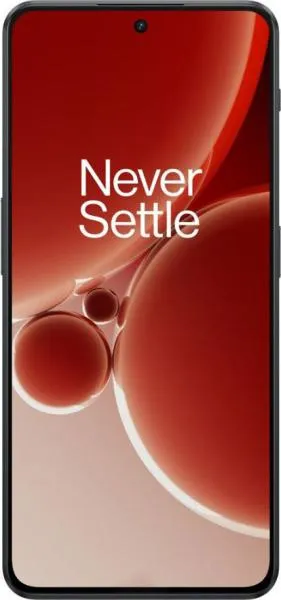
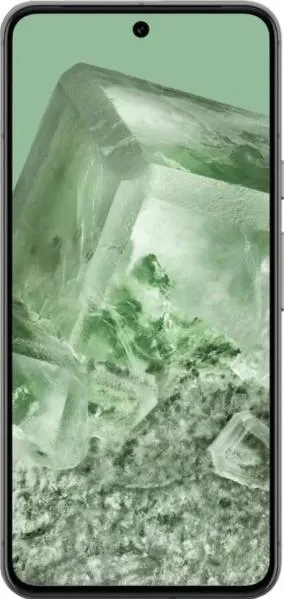
| Feature | OnePlus Nord 3 | Google Pixel 8 | Practical Impact |
|---|---|---|---|
| Design | |||
| Dimensions | 162 x 75.1 x 8.2 mm | 150.5 x 70.8 x 8.9 mm | Pixel 8 is noticeably smaller and slightly thicker, potentially easier for one-handed use. |
| Weight | 193.5 g | 187 g | Pixel 8 is lighter, reducing hand fatigue during extended use. |
| Display | |||
| Size | 6.74" | 6.2" | Nord 3 offers a larger screen for more immersive media consumption, but might be less pocketable. |
| Type | Fluid AMOLED, 120Hz | OLED, 120Hz | Both offer smooth scrolling and animations thanks to 120Hz. AMOLED generally offers vibrant colors and deep blacks. |
| Resolution | 1240 x 2772 | 1080 x 2400 | Nord 3 has a sharper display due to higher resolution, noticeable in text and image clarity. |
| Peak Brightness | 1450 nits | 2000 nits | Pixel 8 can get significantly brighter, improving outdoor visibility. |
| Performance | |||
| Chipset | Mediatek Dimensity 9000 (4 nm) | Google Tensor G3 (4 nm) | Both are powerful chips built on a 4nm process, expecting comparable performance in most tasks. Tensor G3 is optimized for AI and machine learning tasks. |
| CPU | Octa-core (1x3.05 GHz Cortex-X2...) | Nona-core (1x3.0 GHz Cortex-X3...) | Both have powerful CPU configurations, slight architectural differences might favor Tensor G3 in certain workloads. Real-world performance differences might be minimal for average users. |
| GPU | Mali-G710 MC10 | Immortalis-G715s MC10 | Both GPUs should handle demanding games, but specific benchmarks are needed for detailed comparison. |
| RAM | 16GB | 8GB | Nord 3 offers significantly more RAM, enabling better multitasking and potentially smoother performance with numerous apps open. |
| Storage | 256GB | 256GB | Both offer the same storage capacity. |
| Battery | |||
| Capacity | 5000 mAh | 4575 mAh | Nord 3 has a larger battery, likely resulting in longer battery life. |
| Software | |||
| OS | Android 13 | Android 14 | Pixel 8 ships with the latest Android version and will receive longer software updates directly from Google. |
| OS Max Version | 16 | 21 | Pixel will receive significantly longer software support and security updates compared to the Nord 3. |
| Camera | |||
| Video Capabilities | 4K@30/60fps, 1080p@30/60/120fps | Up to 4K@60fps, 1080p@240fps | Both offer extensive video recording options. Pixel 8 boasts higher slow-motion capabilities (240fps) and potentially better video quality due to OIS/EIS on all resolutions. |
| Specific sensor details | Missing | Missing | Cannot compare camera quality without sensor specifications and aperture information. |
2. Key Differences Analysis
OnePlus Nord 3 Advantages:
- Larger, sharper display: More immersive media consumption.
- More RAM: Superior multitasking performance.
- Larger battery: Potentially longer battery life.
Google Pixel 8 Advantages:
- Smaller, lighter form factor: Easier one-handed use.
- Brighter display: Better outdoor visibility.
- Latest Android version and longer software support: Access to new features and security updates for a longer period.
- Potentially better video recording: Due to OIS/EIS across all resolutions and higher slow-motion capability.
Trade-offs:
- Nord 3: Larger size might not be ideal for everyone. Shorter software update cycle.
- Pixel 8: Smaller battery might lead to shorter battery life. Less RAM might impact multitasking performance.
3. User Profiles & Recommendations
OnePlus Nord 3: Users who prioritize media consumption, multitasking, and longer battery life. Suitable for power users, gamers, and those who watch a lot of videos on their phones.
Google Pixel 8: Users who value a compact phone, the latest software and features, long-term software updates, and a great camera experience. Best for users who prefer a pocketable device with a clean Android experience and timely updates.
4. Decision Framework
Key Questions:
- How important is software update longevity?
- Do you prioritize a large screen and long battery life or a compact form factor?
- What is your budget, and how important is the price-to-performance ratio?
Scenario-Based Recommendations:
- Prioritize long-term updates and compact size: Choose the Pixel 8.
- Prioritize large screen, performance, and battery life: Choose the Nord 3.
My Choice: Google Pixel 8
While the OnePlus Nord 3 offers compelling specifications like a larger display and more RAM, I would choose the Google Pixel 8. The deciding factors for me are: longer software support ensuring security and new features for years to come, the more compact form factor which I personally prefer, and the expected superior camera performance based on Google's track record with Pixel cameras, although we lack detailed specs here for a complete comparison. The slightly smaller battery is a trade-off I'm willing to make for the benefits mentioned above. Finally, having the latest Android OS and Google's commitment to timely updates is a significant advantage in terms of user experience and security.
