1. Specifications Comparison
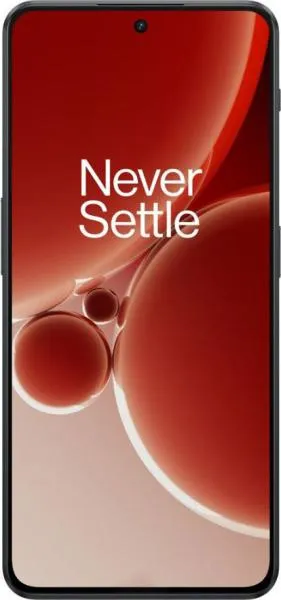
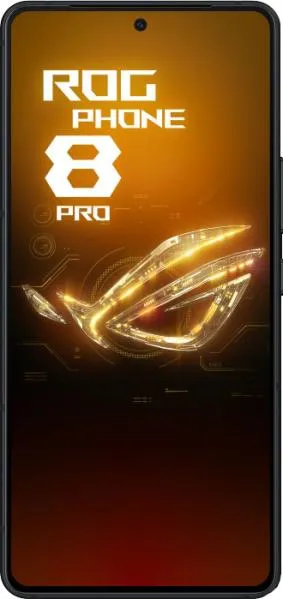
| Feature | OnePlus Nord 3 | Asus ROG Phone 8 Pro | Practical Impact |
|---|---|---|---|
| Design | |||
| Dimensions (mm) | 162 x 75.1 x 8.2 | 163.8 x 76.8 x 8.9 | ROG Phone 8 Pro is slightly larger and thicker. Nord 3 is more pocketable. |
| Weight (g) | 193.5 | 225 | Significant weight difference; ROG Phone 8 Pro will feel noticeably heavier in hand. |
| Display | |||
| Size (inches) | 6.74 | 6.78 | Negligible size difference in real-world usage. |
| Type | Fluid AMOLED, 120Hz | LTPO AMOLED, 165Hz | Both offer excellent color and contrast. ROG Phone 8 Pro's 165Hz offers smoother animations and scrolling, particularly noticeable in gaming. LTPO allows for more granular refresh rate control, potentially saving battery. |
| Resolution | 1240 x 2772 | 1080 x 2400 | Nord 3 has a sharper display (451 ppi vs 388 ppi). Difference noticeable in text clarity and image sharpness. |
| Peak Brightness (nits) | 1450 | 2500 | ROG Phone 8 Pro offers significantly better outdoor visibility. |
| Performance | |||
| Chipset | MediaTek Dimensity 9000 (4 nm) | Qualcomm Snapdragon 8 Gen 3 (4 nm) | Snapdragon 8 Gen 3 generally offers better performance, especially in demanding tasks and gaming due to its more powerful GPU. |
| CPU | Octa-core (Cortex-X2, A710, A510) | Octa-core (Cortex-X4, A720, A520) | ROG Phone 8 Pro's newer CPU architecture delivers a performance advantage. |
| GPU | Mali-G710 MC10 | Adreno 750 | Adreno 750 offers superior graphical performance, beneficial for gaming and graphically intensive applications. |
| RAM/Storage | 256GB/16GB | 1000GB/24GB | ROG Phone 8 Pro offers significantly more storage and RAM, enabling smoother multitasking and handling of large files/games. |
| Battery | |||
| Capacity (mAh) | 5000 | 6000 | ROG Phone 8 Pro has a larger battery, likely resulting in longer battery life. However, its higher refresh rate display and powerful processor could offset this advantage. |
| Camera | |||
| Video Capabilities | Up to 4K@60fps | Up to 8K@24fps, slow-motion up to 720p@480fps | ROG Phone 8 Pro boasts superior video recording capabilities, including 8K resolution and significantly higher frame rate slow-motion video. No detailed camera specs are provided for a comprehensive comparison. |
| Other | |||
| OS | Android 13 | Android 14 | ROG Phone 8 Pro comes with the latest Android version out of the box, offering potential new features and optimizations. Both are expected to receive similar long-term updates. |
2. Key Differences Analysis
OnePlus Nord 3 Advantages:
- Sharper Display: Higher pixel density results in crisper visuals.
- More Compact and Lighter: Easier to handle and carry.
- Potentially More Affordable: While both are mid-range, the Nord 3 might be priced lower.
Asus ROG Phone 8 Pro Advantages:
- Significantly More Powerful: Superior CPU and GPU for demanding tasks and gaming.
- Higher Refresh Rate Display: Smoother visuals, especially noticeable in gaming.
- Larger Battery: Potentially longer battery life.
- Superior Video Recording: 8K recording and high frame rate slow motion.
- More RAM and Storage: Better for multitasking and storing large files.
3. User Profiles & Recommendations
OnePlus Nord 3: Users prioritizing a sharp display, compact design, and everyday performance at a potentially lower price point. Suitable for web browsing, social media, casual gaming, and content consumption.
Asus ROG Phone 8 Pro: Power users and mobile gamers prioritizing top-tier performance, a high refresh rate display, extended battery life, and advanced video recording capabilities. Ideal for demanding games, content creation, and heavy multitasking.
4. Decision Framework
Key Questions:
- What is your budget? While both are mid-range, the ROG Phone 8 Pro likely commands a premium due to its advanced specs.
- What are your primary use cases? Casual use vs. demanding gaming and content creation.
- Do you prioritize portability and one-handed use? The Nord 3 is significantly lighter and more compact.
My Choice: Asus ROG Phone 8 Pro
While the OnePlus Nord 3 offers a compelling package with its sharp display and compact form factor, the Asus ROG Phone 8 Pro is the clear winner for me. The significant performance advantage offered by the Snapdragon 8 Gen 3, coupled with the higher refresh rate display, larger battery, and expansive RAM/storage, makes it a more future-proof device capable of handling any task I throw at it. I prioritize performance and a smooth user experience, and the ROG Phone 8 Pro excels in these areas. While the added weight and size are minor trade-offs, the substantial benefits in performance and features outweigh them. The superior video recording capabilities are also a significant plus. Ultimately, the ROG Phone 8 Pro offers a more compelling overall package for my needs.
