1. Specifications Comparison
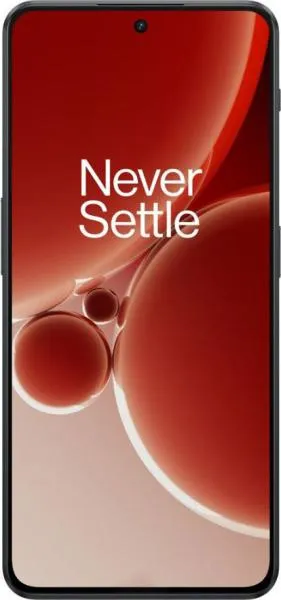
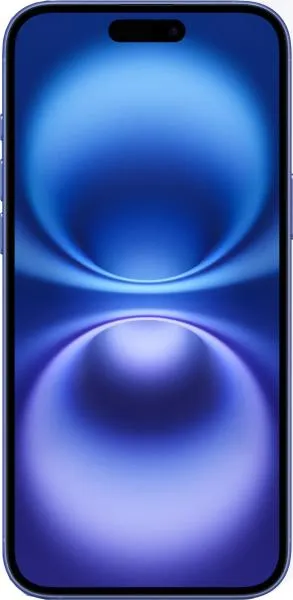
| Feature | OnePlus Nord 3 | Apple iPhone 16 Plus | Practical Impact |
|---|---|---|---|
| Design | |||
| Dimensions | 162x75.1x8.2mm | 160.9x77.8x7.8mm | iPhone 16 Plus is slightly shorter, narrower, and thinner. Negligible difference in hand feel. |
| Weight | 193.5g | 199g | The weight difference is minimal and unlikely to be noticeable in daily use. |
| Build Materials | Not specified | Not specified | Build quality and material durability cannot be compared without further information. |
| Display | |||
| Display Size | 6.74" | 6.7" | Negligible difference in screen real estate. |
| Display Type | Fluid AMOLED, 120Hz | Super Retina XDR OLED | Both offer excellent displays with vibrant colors and deep blacks. AMOLED tends to have more saturated colors while OLED offers better power efficiency in displaying darker colors. |
| Resolution | 1240x2772 | 1290x2796 | Both offer sharp, detailed visuals. The slight difference in resolution is imperceptible. |
| Refresh Rate | 120Hz | Not specified | 120Hz on the Nord 3 provides smoother animations and scrolling compared to a standard 60Hz display (assuming the iPhone 16 Plus has a 60Hz display, which is likely). This greatly impacts the feel of responsiveness. |
| Peak Brightness | 1450 nits | 2000 nits (HBM), 1000 nits (typical) | The iPhone 16 Plus has a significantly higher peak brightness, ensuring better visibility in direct sunlight. |
| Performance | |||
| Chipset | Mediatek Dimensity 9000 (4 nm) | Apple A18 (3 nm) | A18 is expected to be more powerful and efficient due to newer manufacturing process. Expect smoother performance in demanding tasks and potentially better battery life on the iPhone. |
| CPU | Octa-core (1x3.05 GHz Cortex-X2 & 3x2.85 GHz Cortex-A710 & 4x1.80 GHz Cortex-A510) | Hexa-core (2x4.04 GHz + 4x2.20 GHz) | Raw CPU specifications don't directly translate to real-world performance; Apple's architecture and tight hardware-software integration often result in superior performance despite seemingly lower clock speeds. |
| GPU | Mali-G710 MC10 | Apple GPU (5-core graphics) | Apple's GPUs are known for their excellent performance in graphics-intensive tasks and gaming. Performance comparison requires benchmarks. |
| RAM | 16GB | 8GB | More RAM on the Nord 3 could mean better multitasking and app retention in the background. However, iOS's memory management is highly optimized, potentially offsetting this advantage. |
| Battery | |||
| Capacity | 5000mAh | 4674mAh | The Nord 3 has a slightly larger battery capacity, but real-world battery life depends on numerous factors, including software optimization and display usage. |
| Other | |||
| OS | Android 13 | iOS 18 | OS preference is subjective. Android offers more customization, while iOS is known for its simplicity and privacy focus. |
| Storage | 256GB | 256GB/512GB | iPhone offers a 512GB storage option for users requiring more space. |
2. Key Differences Analysis
OnePlus Nord 3 Advantages:
- Higher RAM: Potentially better multitasking.
- Larger Battery: Potentially longer battery life.
- Higher Refresh Rate Display: Smoother scrolling and animations.
Apple iPhone 16 Plus Advantages:
- More Powerful Chipset: Expected better performance in demanding tasks and games.
- Brighter Display: Superior outdoor visibility.
- Potentially Better GPU: Smoother graphics performance.
- More Storage Options: Offers a 512GB variant.
3. User Profiles & Recommendations
OnePlus Nord 3: Users who prioritize multitasking, smooth display experience, and potentially longer battery life, and prefer Android's customization options.
Apple iPhone 16 Plus: Users prioritizing raw performance, a brighter display, a premium ecosystem, and who prefer the simplicity and privacy of iOS. Gamers would likely favor the iPhone due to its historically stronger GPU performance.
4. Decision Framework
Key Questions for Buyers:
- Which operating system do you prefer? Android or iOS?
- What is your budget? (Considering the price range is similar "medium", specific pricing may still influence the decision).
- What are your primary use cases? (Gaming, photography, general use, etc.)
Scenario-Based Recommendations:
- Gamer: iPhone 16 Plus (Expected superior GPU performance).
- Power User: iPhone 16 Plus (More powerful chipset).
- Casual User: OnePlus Nord 3 (Excellent value for money, smooth display, potentially longer battery life).
My Choice: Apple iPhone 16 Plus
While the OnePlus Nord 3 offers compelling specifications like a higher refresh rate display and more RAM, I would choose the iPhone 16 Plus. The expected performance gains from the A18 chip, coupled with Apple's historically strong GPU performance and optimized software, are crucial for me. The brighter display is also a significant advantage for outdoor use. While the RAM difference exists, Apple's tight hardware-software integration typically mitigates this in real-world usage. Ultimately, the potential for a smoother, more powerful overall experience, and the brighter display sway my decision towards the iPhone 16 Plus. This is acknowledging a likely higher price point for the iPhone, but assuming it remains within the "medium" price range as indicated.
