OnePlus 11 vs. Xiaomi Redmi Note 13 Pro: A Deep Dive
Let's dissect the OnePlus 11 and the Xiaomi Redmi Note 13 Pro, two compelling contenders in the mid-range smartphone arena. We'll go beyond the spec sheets to uncover what these numbers really mean for your daily life.
1. Specifications Breakdown
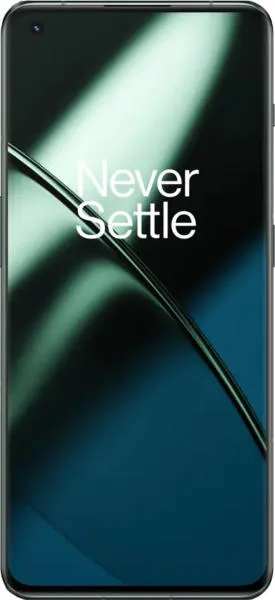
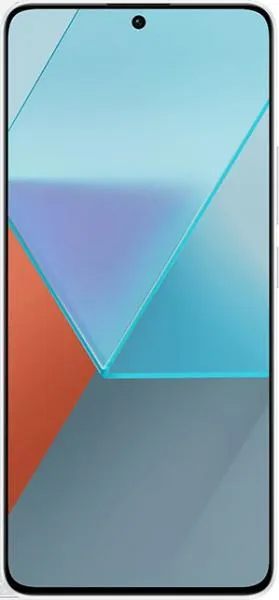
| Feature | OnePlus 11 | Xiaomi Redmi Note 13 Pro | Real-World Implications | |
|---|---|---|---|---|
| Design | ||||
| Dimensions (mm) | 163.1 x 74.1 x 8.5 | 161.2 x 74.2 x 8 | OnePlus 11 slightly taller and thicker. Negligible difference in hand feel for most users. | |
| Weight (g) | 205 | 187 | Redmi Note 13 Pro noticeably lighter, reducing hand fatigue during extended use. | |
| Display | ||||
| Size (inches) | 6.7 | 6.67 | Virtually identical screen real estate. | |
| Resolution | 1440 x 3216 (QHD+) | 1220 x 2712 (FHD+) | OnePlus 11 offers significantly sharper visuals due to higher pixel density, beneficial for detail-oriented tasks and media consumption. | |
| Refresh Rate (Hz) | 120 (LTPO3) | 120 | Both offer smooth scrolling and animations. OnePlus 11's LTPO3 allows for dynamic refresh rate adjustment, potentially saving battery. | |
| Display Type | LTPO3 AMOLED | AMOLED | Both provide vibrant colors and deep blacks. OnePlus 11's LTPO3 offers more granular control over refresh rate. | |
| Peak Brightness | 1300 nits | 1800 nits | Redmi Note 13 Pro boasts higher peak brightness, improving outdoor visibility. | |
| Performance | ||||
| Chipset | Snapdragon 8 Gen 2 | Snapdragon 7s Gen 2 | OnePlus 11 packs a flagship-level processor, translating to significantly faster performance in demanding apps and multitasking. | |
| CPU | Octa-core (up to 3.2 GHz) | Octa-core (up to 2.4 GHz) | OnePlus 11's superior CPU architecture and clock speeds deliver a noticeable performance advantage. | |
| GPU | Adreno 740 | Adreno 710 | OnePlus 11's more powerful GPU ensures smoother gaming and graphics-intensive tasks. | |
| RAM | 8/12/16GB | 8/12GB | Both offer ample RAM for smooth multitasking, though OnePlus 11 provides a 16GB option for extreme power users. | |
| Camera | ||||
| Main Sensor | 50MP (Sony IMX890) | 200MP (Samsung HP3) | Redmi Note 13 Pro boasts higher megapixel count, but real-world image quality depends on factors beyond resolution. | |
| Battery Life | ||||
| Capacity (mAh) | 5000 | 5100 | Redmi Note 13 Pro has a slightly larger battery, potentially offering longer usage time. Real-world battery life depends on usage patterns. |
2. Key Insights
The OnePlus 11 is the clear performance champion, thanks to its flagship Snapdragon 8 Gen 2 processor. This translates to a smoother, faster experience across the board, especially for demanding tasks like gaming and video editing. Its sharper display also provides a more immersive visual experience.
The Redmi Note 13 Pro, while not as powerful, offers a compelling value proposition. Its standout feature is the 200MP main camera sensor, which potentially captures highly detailed images. The slightly larger battery and brighter display are also noteworthy advantages. However, the Snapdragon 7s Gen 2, while capable, won't match the raw power of the OnePlus 11.
3. User Profiles and Recommendations
OnePlus 11: Ideal for power users, gamers, and anyone who prioritizes top-tier performance and a premium display.
Redmi Note 13 Pro: Suitable for budget-conscious users, photography enthusiasts, and those who value a bright display and long battery life over peak processing power.
4. Buying Decision Framework
- What is your budget? The Redmi Note 13 Pro offers excellent value for its price.
- What are your primary use cases? For demanding tasks, the OnePlus 11 excels. For casual use and photography, the Redmi Note 13 Pro is compelling.
- Do you prioritize performance or battery life? The OnePlus 11 offers superior performance, while the Redmi Note 13 Pro might edge out in battery endurance.
My Choice: The OnePlus 11
While the Redmi Note 13 Pro offers a tempting 200MP camera and attractive price, I would choose the OnePlus 11. As a tech enthusiast and someone who values a fluid, responsive user experience, the sheer power and premium display of the OnePlus 11 are irresistible. The Snapdragon 8 Gen 2 offers a significant performance advantage that, in my opinion, outweighs the Redmi's camera and battery benefits. I'm also willing to pay a premium for the smoother performance and sharper, more responsive LTPO display. Ultimately, the OnePlus 11 offers a more well-rounded and future-proof experience for my needs.
