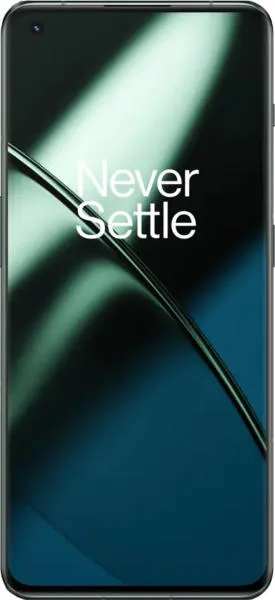
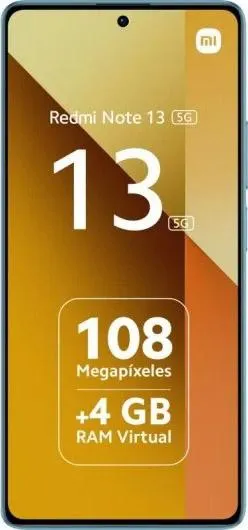
OnePlus 11 vs. Xiaomi Redmi Note 13: A Deep Dive
Let's dissect the OnePlus 11 and the Xiaomi Redmi Note 13, translating their spec sheets into real-world experiences. This isn't just about numbers; it's about understanding how these phones perform in your hand, in your pocket, and in your life.
1. Specifications Breakdown
| Feature | OnePlus 11 | Xiaomi Redmi Note 13 | Real-World Implications |
|---|---|---|---|
| Design | |||
| Dimensions (mm) | 163.1 x 74.1 x 8.5 | 161.1 x 75 x 7.6 | OnePlus 11 slightly taller and thinner. Negligible difference in daily use. |
| Weight (g) | 205 | 174.5 | Redmi Note 13 noticeably lighter, reducing hand fatigue during extended use. |
| Display | |||
| Size (inches) | 6.7 | 6.67 | Virtually identical screen real estate. |
| Resolution | 1440 x 3216 (QHD+) | 1080 x 2400 (FHD+) | OnePlus 11 significantly sharper, offering crisper text, images, and videos. |
| Type | LTPO3 AMOLED, 120Hz, Dolby Vision, HDR10+ | AMOLED, 120Hz | Both offer smooth scrolling and vibrant colors. OnePlus 11 boasts superior HDR and adaptive refresh. |
| Performance | |||
| Chipset | Snapdragon 8 Gen 2 | Dimensity 6080 | OnePlus 11 vastly more powerful, handling demanding games and multitasking with ease. |
| CPU | Octa-core (3.2 GHz X3, 2.8 GHz A715/A710, 2 GHz A510) | Octa-core (2.4 GHz A76, 2 GHz A55) | OnePlus 11 offers significantly faster processing speeds and improved efficiency. |
| GPU | Adreno 740 | Mali-G57 MC2 | OnePlus 11 delivers a substantial leap in graphics performance, ideal for gaming and media editing. |
| RAM | 8/12/16GB | 6/8/12GB | Both offer ample RAM for most users, but OnePlus 11 provides options for even more demanding tasks. |
| Camera | |||
| Main Sensor | 50MP Sony IMX890 | 108MP Samsung HM6 | Redmi Note 13 boasts higher resolution, OnePlus 11 likely offers better overall image quality. |
| Video | Up to 8K@24fps | Up to 1080p@30fps | OnePlus 11 capable of significantly higher resolution video recording. |
| Battery Life | |||
| Capacity | 5000 mAh | 5000 mAh | Similar battery capacity, but real-world battery life depends on optimization and usage patterns. |
2. Key Insights
The OnePlus 11 is a flagship powerhouse, excelling in performance, display quality, and overall camera capabilities. Its Snapdragon 8 Gen 2 chip delivers blistering speed, while the QHD+ LTPO3 AMOLED screen offers stunning visuals.
The Redmi Note 13 positions itself as a value-oriented option, prioritizing affordability without sacrificing essential features like a 120Hz AMOLED display and a large battery. However, its Dimensity 6080 processor is significantly less powerful than the OnePlus 11's.
3. User Profiles and Recommendations
OnePlus 11: Power users, gamers, mobile photographers, and videographers who demand top-tier performance and a premium experience will gravitate towards the OnePlus 11.
Redmi Note 13: Budget-conscious users who prioritize daily tasks, social media, web browsing, and casual photography will find the Redmi Note 13 a compelling option.
4. Buying Decision Framework
- What is your budget? The OnePlus 11 commands a higher price, reflecting its flagship status.
- What are your performance needs? If you need a phone for demanding tasks or gaming, the OnePlus 11 is the clear winner.
- How important is display quality? The OnePlus 11's superior display offers a noticeably better visual experience.
My Choice: The OnePlus 11
While the Redmi Note 13 offers excellent value, I'd choose the OnePlus 11. The superior performance, stunning display, and more versatile camera system justify the price premium for me. I value a smooth, lag-free experience, especially when multitasking and gaming. The OnePlus 11's Snapdragon 8 Gen 2 ensures that, coupled with the vibrant and sharp QHD+ display. It's a phone built for the future, ready to handle anything I throw at it. The Redmi Note 13 is a solid contender, but the OnePlus 11's advantages in crucial areas make it the more compelling device for my needs.
